When searching for the perfect home, one that can support the ever-changing needs of an evolving family, square footage and room count alone don’t tell the full story. What truly matters is how your living space functions. Can it adapt? Can it help keep daily life organized without sacrificing comfort or style? One often-overlooked feature that can help meet those needs is the loft. But what is a loft, and what can it be for your household?
The answer goes far beyond a simple architectural definition. A loft is not just extra space; it’s a strategic solution to one of the most common challenges in family living: balancing fluidity with functionality.
The basics: So… what is a loft?
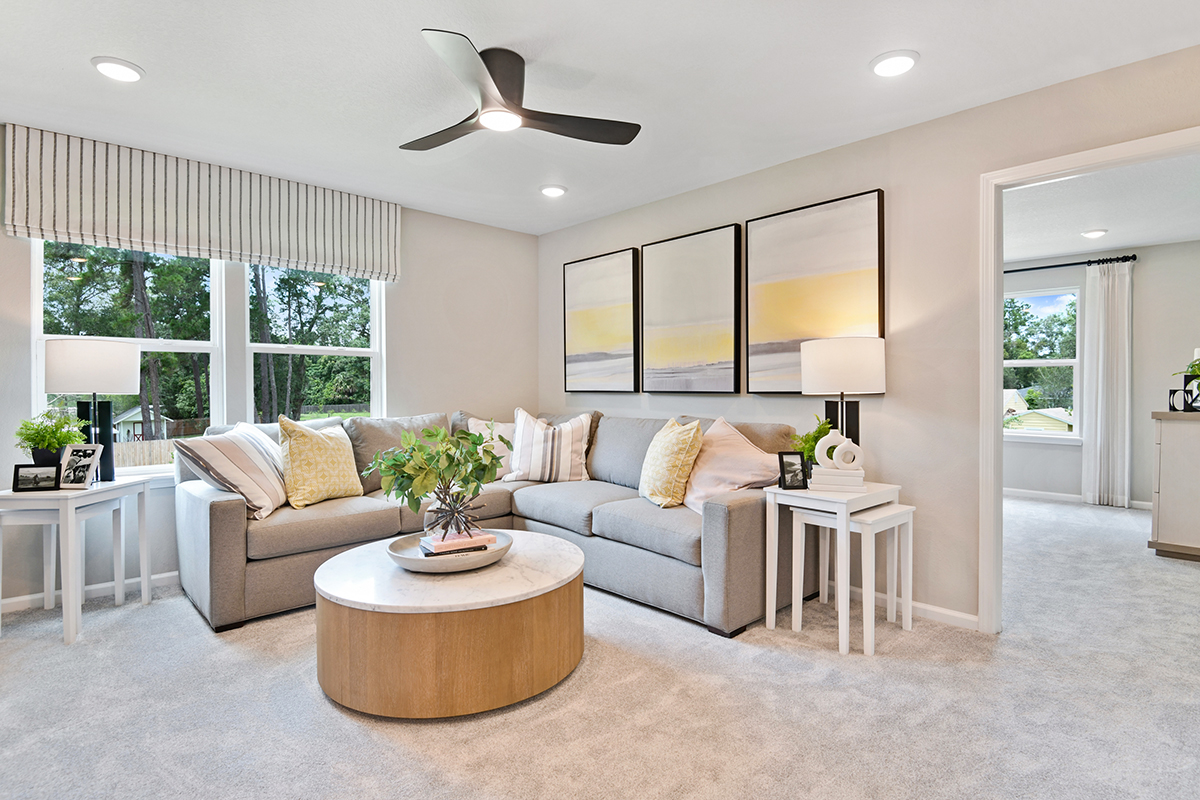
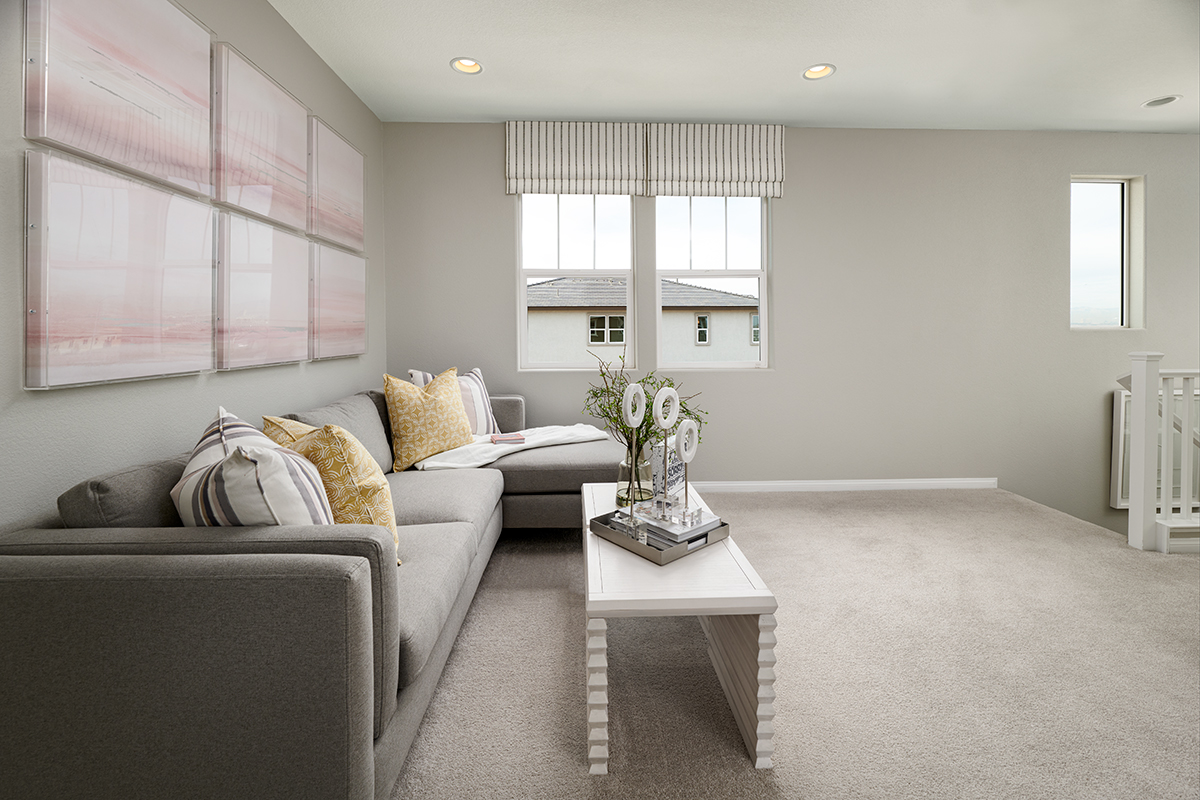
In essence, a loft is an open, elevated living space typically located on an upper level of a home, often overlooking the main living area below. It’s usually connected by a staircase and, unlike traditional rooms, it typically doesn’t have walls enclosing it. This open-concept design gives it a spacious, airy feel while still maintaining a sense of separation from the main floor.
In the majority of contemporary homes, lofts are intentionally designed as flexible “bonus” areas. They’re large enough to serve a meaningful purpose but open enough to remain visually connected to the rest of the home. This unique balance makes them incredibly versatile. Rather than being assigned a single function like a bedroom or dining room, a loft can be a blank canvas. It can evolve alongside your family’s needs, making it one of the most valuable and dynamic spaces in a home.
What can a loft be for you?
To truly understand the value of a loft, it helps to look at the everyday problems it can solve. Picture a typical busy household: toys scattered across the living room, laptops and homework spread across the dining table, gaming consoles taking over the TV, and half-finished puzzles occupying valuable space. The main living areas quickly become overcrowded, making it difficult to relax or entertain guests.
This is where a loft shines, acting as a designated overflow zone—a place where activities can happen without disrupting the flow of the main floor. By shifting play, study, and entertainment into one centralized space, the rest of the home becomes more organized and functional. Instead of constantly cleaning up or rearranging shared areas, families gain a sense of structure. Everything has a place, and that alone can significantly reduce daily stress.
Some creative uses for your loft can include:
Playroom & toy zone
For families with young kids, transforming the loft into a dedicated playroom is a simple win. Organize toys with labeled bins on low shelves, add a soft rug, and set up a small table for arts and crafts. The main floor stays neat and ready for guests because everything has its place upstairs.
Gaming & media
If you want to reclaim the family room TV, the loft is ideal for setting up a gaming and media area. Arrange cozy seating like bean bags or a sectional, and mount a screen for gaming and movie nights. The kids get their entertainment space, and you get a break from animated films.
Homework & studying
Homework goes smoothly in a dedicated, distraction-free space—something a loft naturally offers. Install a long desk or student desks along a wall, add task lighting, and organize school supplies on a bookshelf. The separation from the main living area minimizes interruptions during study time.
A reading nook
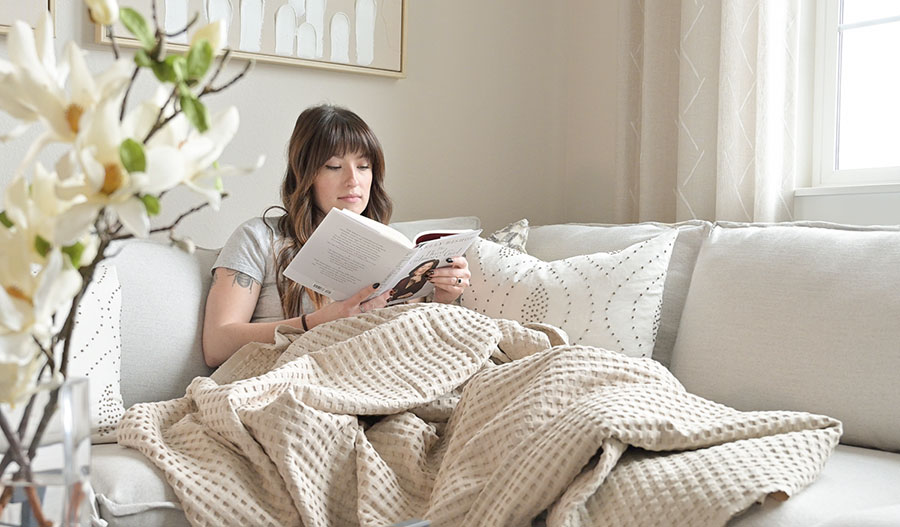
Sometimes, the loft’s best use is as a quiet retreat. Add comfy chairs or a window seat, a stocked bookshelf, and warm lighting to create a cozy reading nook. It’s a haven for bookworms, a peaceful escape for parents, and a serene alternative to the bustling main floor.
Teen lounge & guest hangout
As children grow, their need for personal space increases. A loft easily transitions into a teen lounge, offering a casual area for them to relax with friends or enjoy some solitude. It’s private yet open enough for easy supervision. When guests visit, it serves as an additional hangout space.
Board game & puzzle hub

Family game night becomes effortless when the loft is dedicated to games and puzzles. A large table, good lighting, and organized shelving make setup quick and easy. If a game is paused midway, it can stay set up until next time.
Practical tips for setting up your loft:
Utilize vertical storage
Lofts often have high ceilings, so use tall bookshelves and wall-mounted storage to maximize space without sacrificing floor area.
Define zones with rugs
If the loft is large, use area rugs to create distinct zones for activities like play or reading without needing walls or dividers.
Plan lighting strategically
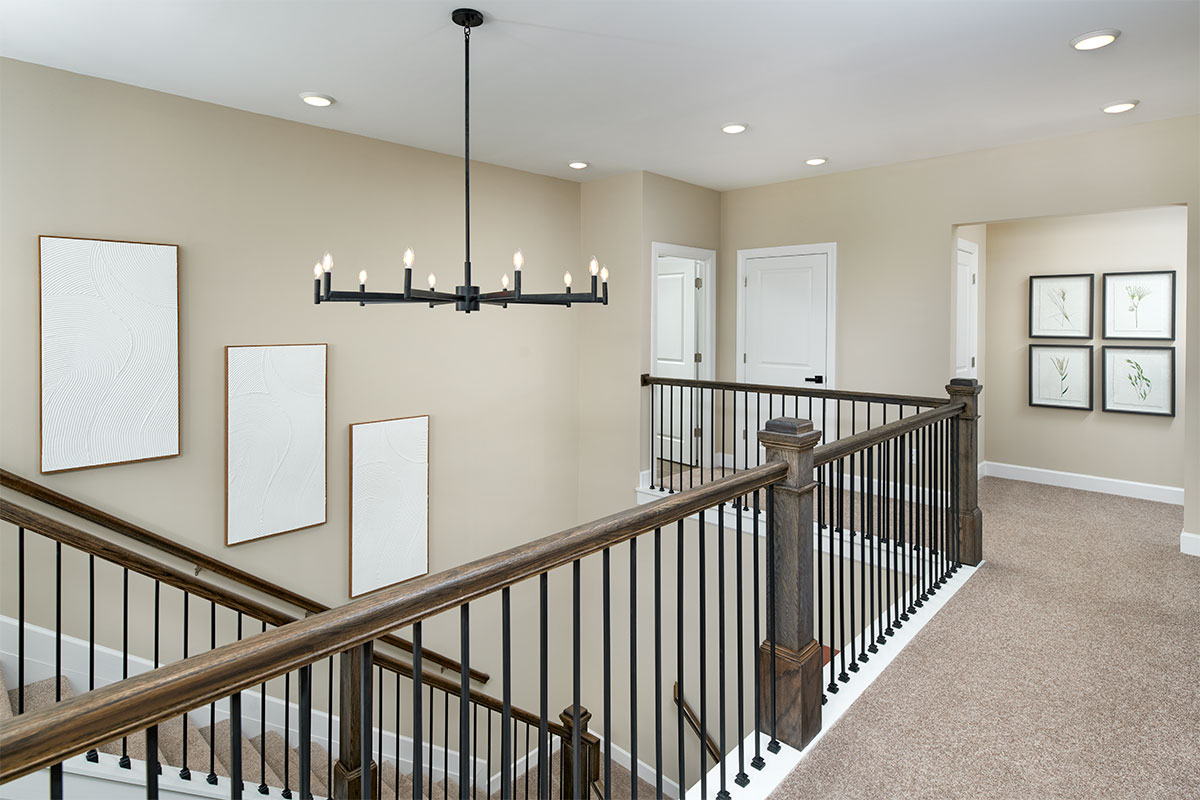
Different activities require different lighting. Layer task lighting for study areas with ambient lighting for media zones to suit various uses.
Organize with labels
Use bins, baskets, and labeled shelves to maintain a functional loft. When everything has a designated place, even younger kids can tidy up independently.
Allow for growth
Avoid over-furnishing. A loft with room to evolve is more valuable long-term than one perfectly set for the present. Children’s needs change rapidly, and so should the space.
There’s so much to love about the loft
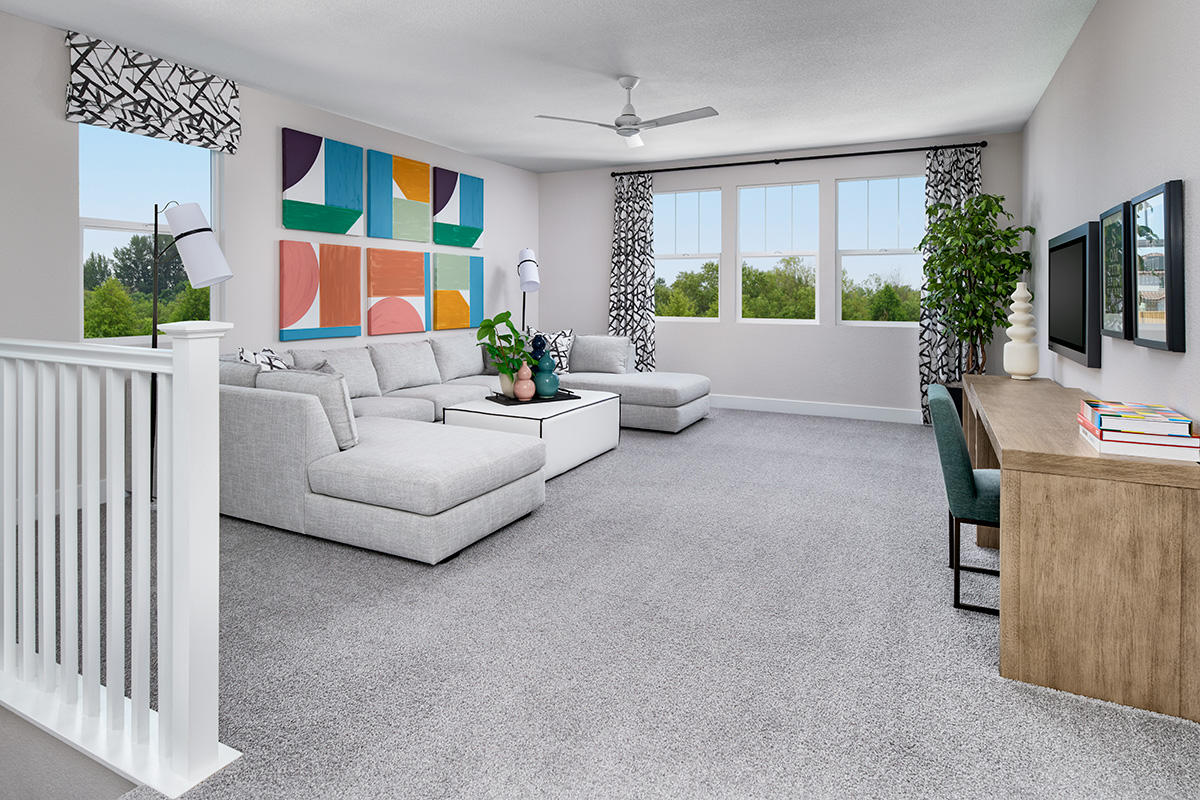
The most valuable home features are those that simplify daily life—clearly a loft’s specialty! It absorbs household chaos, provides personal space for everyone, and streamlines daily routines from homework to leisure activities. As children grow and leave home, the loft can transform into a reading room, home office, or personal retreat, continuing to serve your needs as they change.
Now that you can answer the question “What is a loft?” like an expert, be sure to get in touch with our friendly New Home Specialists. They’re waiting to help you find a floor plan with the perfect loft for your family’s current and future needs!