
If you’re a crafter, you may dream of a dedicated space where your creativity can flourish without having to clear away supplies at the end of every project. Whether you enjoy scrapbooking, sewing, or painting, a thoughtfully planned craft room setup can make your favorite hobbies even more enjoyable.
The good news is that you don’t need a massive studio to create a functional crafting area. From compact tech centers to spacious flex rooms, many new homes offer areas that can easily be transformed into comfortable, organized workspaces. By combining smart storage solutions, practical furnishings, and supportive home features, you can create a craft room setup that complements your home’s design while meeting your creative needs.
In this article, we’ll address the ways in which your home’s features can support your crafting, as well as tips for creating the ideal craft room setup.
Where should you have your craft room setup?
One of the first decisions you’ll make is determining the best location for your creative haven. The ideal space will depend on your home’s layout, the type of crafts you’ll be doing, and how much room you’ll need for materials and equipment. Some potential options can include:
Turning a flex room into a craft room
A flex room is often one of the easiest places to create a craft room setup. Because these rooms are designed to serve multiple purposes, they can easily adapt to whatever creative pursuits you may have. You might also appreciate having a flex room near your home’s main living areas, allowing you to work on projects while still being accessible to the rest of the family. Many Richmond American floor plans, for instance, have flex or bonus rooms located on the main floor, with close proximity to the kitchen, great room, and other shared spaces.
If the flex room is large enough, you may also want to divide it into separate zones. This is especially useful if you have multiple crafting interests. Imagine having the space for a painting corner, a jewelry-making table, and an area for creating wearable pieces—all in the same room, no quick clean-up or compromise required.
Turning a basement rec room into a craft room
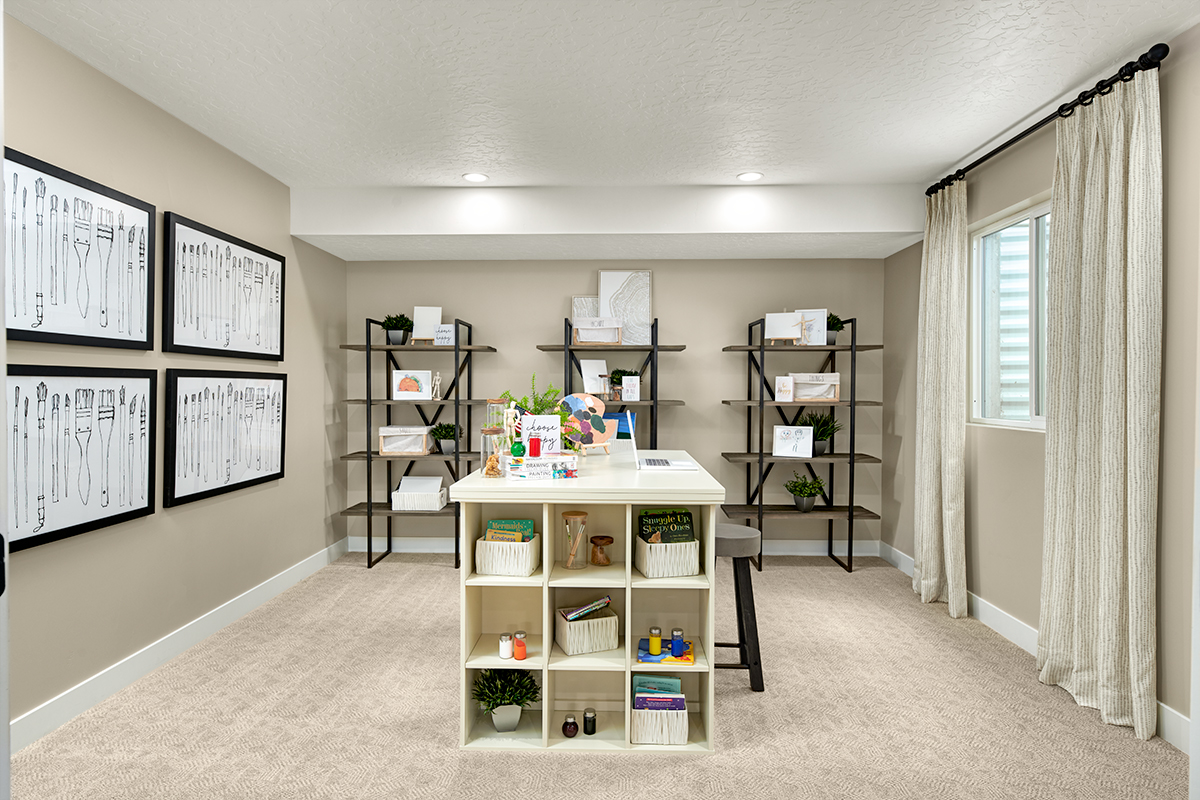
In homes with finished basements, a rec room can provide generous square footage for crafters who need additional work surfaces or storage. This craft room setup can work particularly well for activities such as quilting, woodworking, sculpting, or stained glass, where larger equipment may require extra space. Basements can also offer a quieter environment away from household distractions.
If you choose this location, pay attention to lighting and climate control. Since basements sometimes receive less natural light, adding layered lighting can make the space feel brighter and more comfortable.
Turning a loft into a craft room
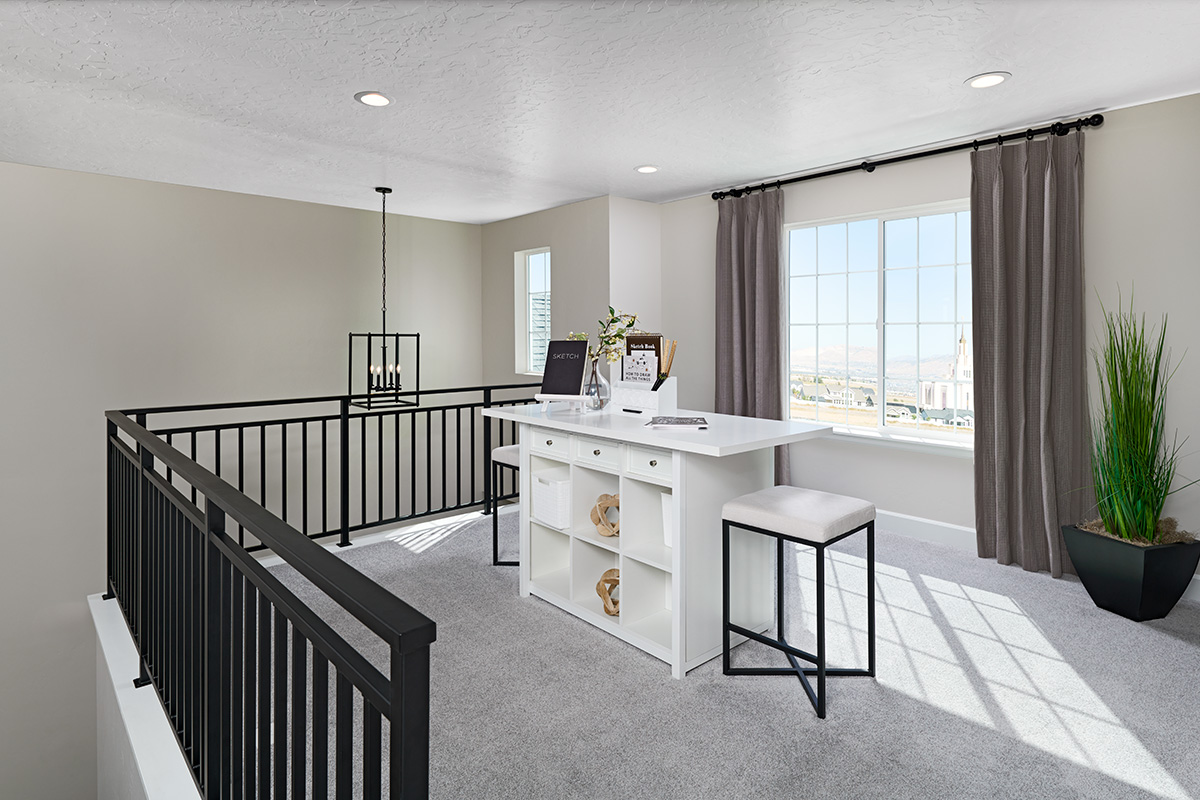
An upstairs loft can serve as an excellent crafting retreat. These open areas often provide flexibility for arranging furniture while still maintaining an airy feel. Lofts frequently feature nearby windows that help introduce natural light throughout the day. Homeowners who use a loft for crafting may also appreciate being able to leave projects set up between sessions without disrupting the main living space.
Turning a built-in tech center into a craft room
Quite a few Richmond American homes also include built-in tech centers or desk nooks. While these spaces may not accommodate large projects, they can work wonderfully for crafts that aren’t as equipment-heavy. Activities such as journaling, scrapbooking, needlepoint, and other projects that require minimal (or small) supplies often fit comfortably within these compact workstations. Built-in desks and shelving also provide a ready-made foundation for organizing supplies and keeping everything within reach.
Turning a study or home office into a craft room
A study offers another practical option, especially for homeowners who don’t require a separate room exclusively for crafting. A shared office and craft room setup can be both attractive and efficient. Cabinets, bookshelves, and desk drawers can store supplies while helping maintain an orderly appearance. If you work from home, consider using decorative storage bins and containers so your workspace can easily transition between professional and creative activities.
What home features could help support your craft room?
When evaluating potential spaces for your crafting, it also helps to pay attention to your home’s existing features. Certain layout and design elements can add to a craft room’s comfort, functionality, and ambiance. As you decide on and begin setting up your creative area, consider the following:
Lighting
Depending on the type of project you’re working on, the right kind of lighting can make all the difference in a craft room. If you need natural light for your tasks, focus on finding a room or space that offers large windows on multiple walls. Sunlight can help improve visibility, particularly when working with colors.
On the other hand, some pursuits might require more controlled levels of light. Photo development, for instance, calls for a completely dark room—preferably one with no windows (or very few, which you can add blackout curtains to). Also, for more detail-oriented work or crafts that you only have time to do at night, task lighting may be a necessary addition.
Built-in storage
Rooms or nooks with built-in shelving, cabinetry, or storage closets can offer a significant advantage when organizing supplies. Instead of purchasing bins, bookcases, or other units, you may be able to use existing features to stow paper, fabric, paint, tools, and other materials. Cabinets with adjustable shelves can accommodate items of varying sizes, helping your craft room setup remain tidy over time.
Durable flooring
As you likely know, crafting can be messy. Durable flooring materials such as luxury vinyl plank, tile, or laminate can simplify the cleanup after more chaotic projects—after all, glitter and paint are much easier to clean off of hard flooring than carpet. With this in mind, you’ll also want to select a room with low-maintenance flooring that can withstand a lot of action without requiring much upkeep.
Extra electrical outlets
Many modern crafts require powered equipment. Sewing machines, computers, printers, heat presses, and task lighting all rely on convenient access to electricity. Rooms with multiple outlets allow you to arrange furniture more freely without relying too much on extension cords (which could be a serious tripping hazard). When planning your craft room setup, consider outlet placement and how it supports your workflow.
Nearby closets
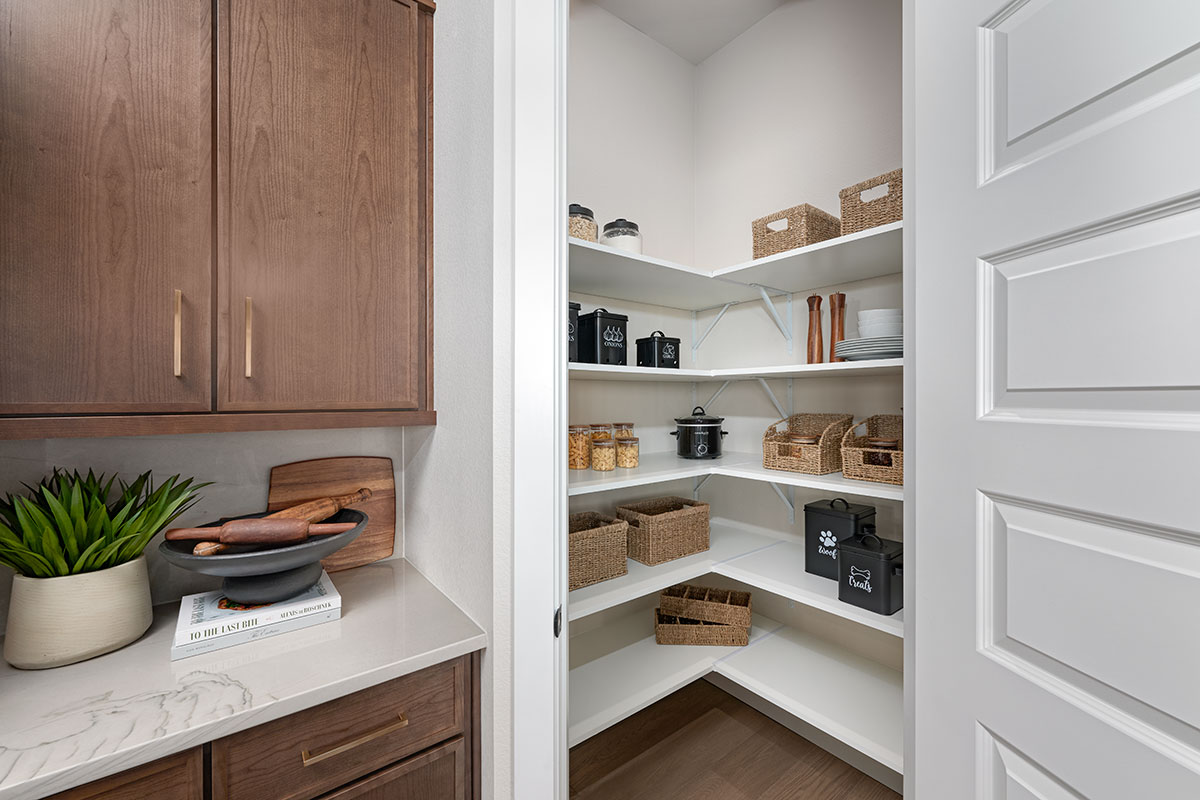
Don’t underestimate the value of a closet! If your craft room doesn’t have built-in storage, an included closet can be the next best thing. By housing large equipment and less frequently used supplies, this handy feature can help you maintain a cleaner work environment and solve some of your biggest organizational challenges.
Additional tips for creating a functional craft room setup

Once you’ve settled on where you want your craft room, it’s time to add furniture, décor, and anything else that will help you craft with ease. Here are a few suggestions for how to make the most of your space:
- Anchor your room with a table. Make sure that it’s sturdy and large enough to suit your needs. Consider a craft table with wheels and ample storage, like this one. If you will require multiple work surfaces, rolling carts are a convenient solution.
- Add more storage as needed. Use an attractive storage cabinet to keep supplies organized and out of view. Or, if you prefer (and don’t already have built-in shelves), install open shelving and showcase your crafting essentials in decorative jars and bins. Many crafters also find it useful to mount a peg board with hooks for tools on a wall near their work table.
- Hang a bulletin board. This is another great way to stay organized while crafting. Use it to pin inspirational photos, to-do lists, shopping lists, and more. You can even dress it up with fabric or scrapbook paper so it coordinates with the rest of your craft room décor.
- Choose a comfy chair. Make sure that it’s supportive so you’re able to sit for long hours if necessary. An armless design may provide more freedom of movement while crafting, and wheels can also be helpful if you plan to move around the room frequently.
- Get a soft rubber mat(s). If, on the other hand, you typically stand while crafting, you’ll likely want to outfit your space with a soft rubber mat, which may help alleviate foot, leg, and back pain. According to the manufacturer, this one significantly reduces joint strain, “promoting better posture and circulation.”
- And last but not least—personalize the space! Make it your own by displaying completed projects, inspiring artwork, or meaningful keepsakes that encourage creativity. By adding these personal touches, you can make the space warm and inviting for yourself without losing its functionality.
Remember!
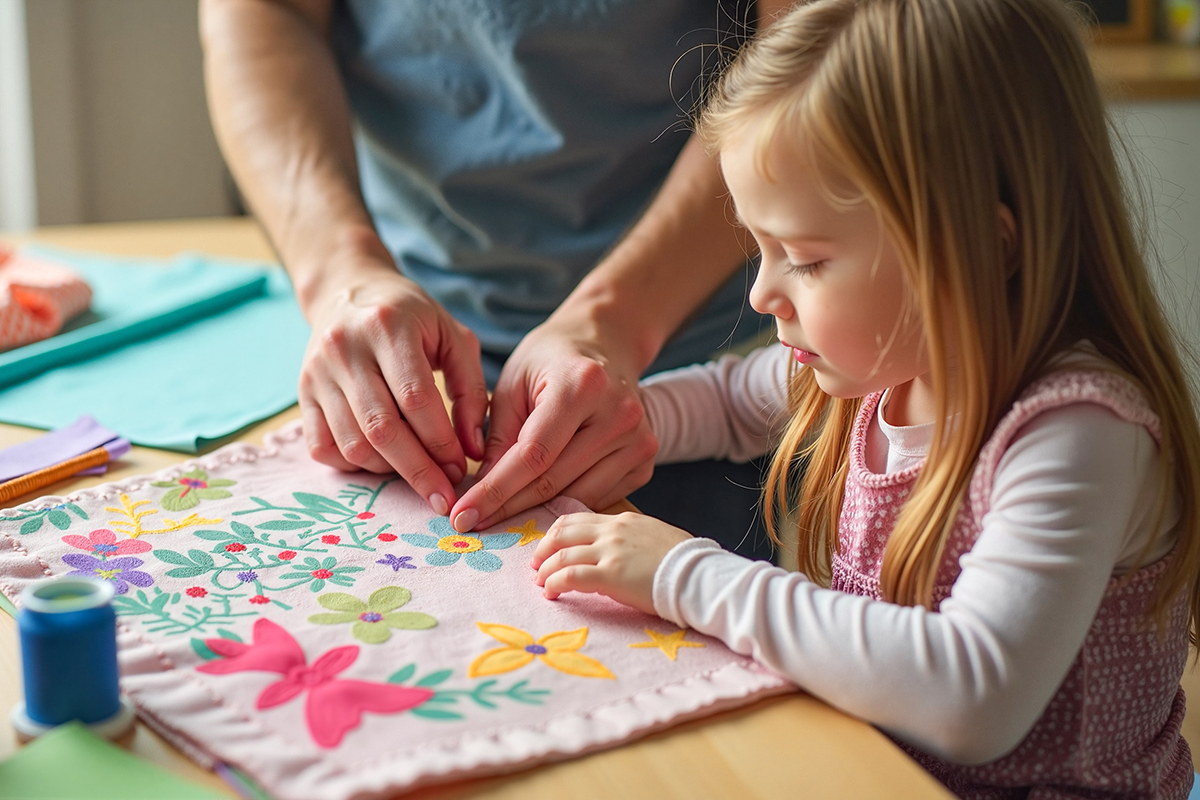
The most successful craft room setup balances organization, efficiency, comfort, and personal style. Whether you’re working from a compact corner, a versatile flex room, or a private study, thoughtful planning can help you create a space that supports your hobbies and fits seamlessly within your home. Each craft and crafter is a little different, so it’s important to consider your specific needs and tailor your room to them.
With the right layout and home features, you can create a craft room setup that helps you stay organized, work comfortably, and enjoy every creative project for years to come.
Keep following our blog for more decorating ideas and tips, and be sure to follow us on Pinterest and Instagram!