

Moving day has a way of sneaking up on you. One minute you feel like you have plenty of time to get everything ready, and the next you’re staring at an untouched house wondering how you’re going to pack everything before the truck arrives. If that sounds familiar, take a deep breath—we’ve all been there! The good news is, a quick move doesn’t have to mean chaos. With the right mindset and a few smart packing tips for moving, you can get everything boxed up efficiently and make the transition into your new home far less stressful than you might expect.
Get organized

The very first thing to do, before you even think about taping up a box, is declutter. It’s tempting to tell yourself you’ll sort through things after the move, but that almost always leads to packing items you don’t need and unpacking frustration later. Packing items you no longer want or need takes up time, costs money to transport, and creates unnecessary clutter when you unpack. A quick but intentional purge makes a noticeable difference.
Go room by room and create three simple piles: keep, donate, and toss. Be honest with yourself. If you haven’t used something in the past year, chances are you don’t really need to bring it with you. Every item you let go of now is one less thing to pack, carry, and unpack later, which is a huge win when time is tight. This is particularly helpful for homebuyers moving into a new layout where storage may differ from what they’re used to. Fewer belongings mean fewer boxes, quicker packing, and a more organized start in your new home.
Gather supplies
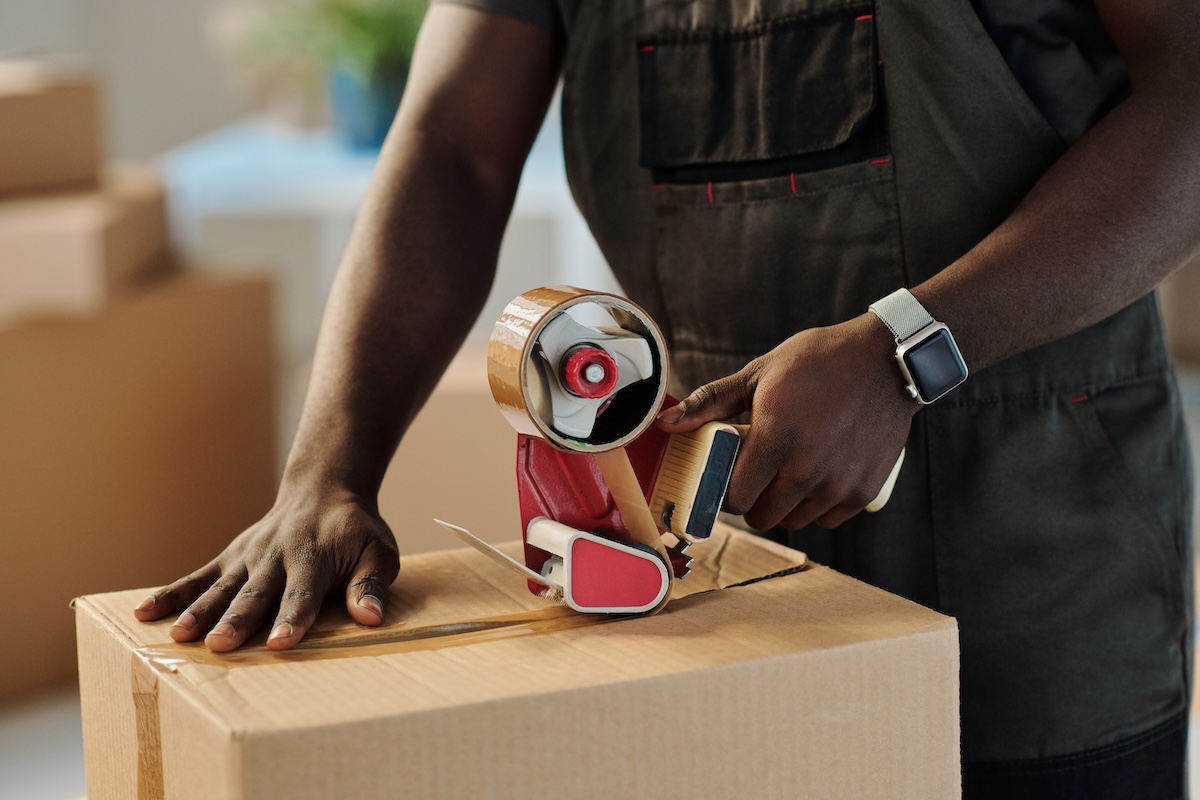
Once you’ve trimmed down what you’re taking, it’s time to gather your packing supplies for moving. One of the most overlooked packing tips for moving quickly is having everything you need before you start. Scrambling for boxes or tape halfway through packing can disrupt your momentum and waste valuable time.
If you didn’t plan that far ahead, don’t worry—there are still plenty of options. Ask friends, family, or coworkers if they have boxes left over from recent deliveries or moves. Local grocery and liquor stores are often happy to give boxes away, and liquor boxes are especially great for glassware because they’re sturdy and sometimes come with dividers. If free boxes aren’t available, buying them from an office supply store or your moving company is another option.
You’ll want a mix of box sizes, along with packing tape, markers, bubble wrap or packing paper, scissors, stretch wrap, and zip-top bags for small parts. Having everything on hand from the start saves you from running out mid-pack, which can slow everything down.
Game plan your residence
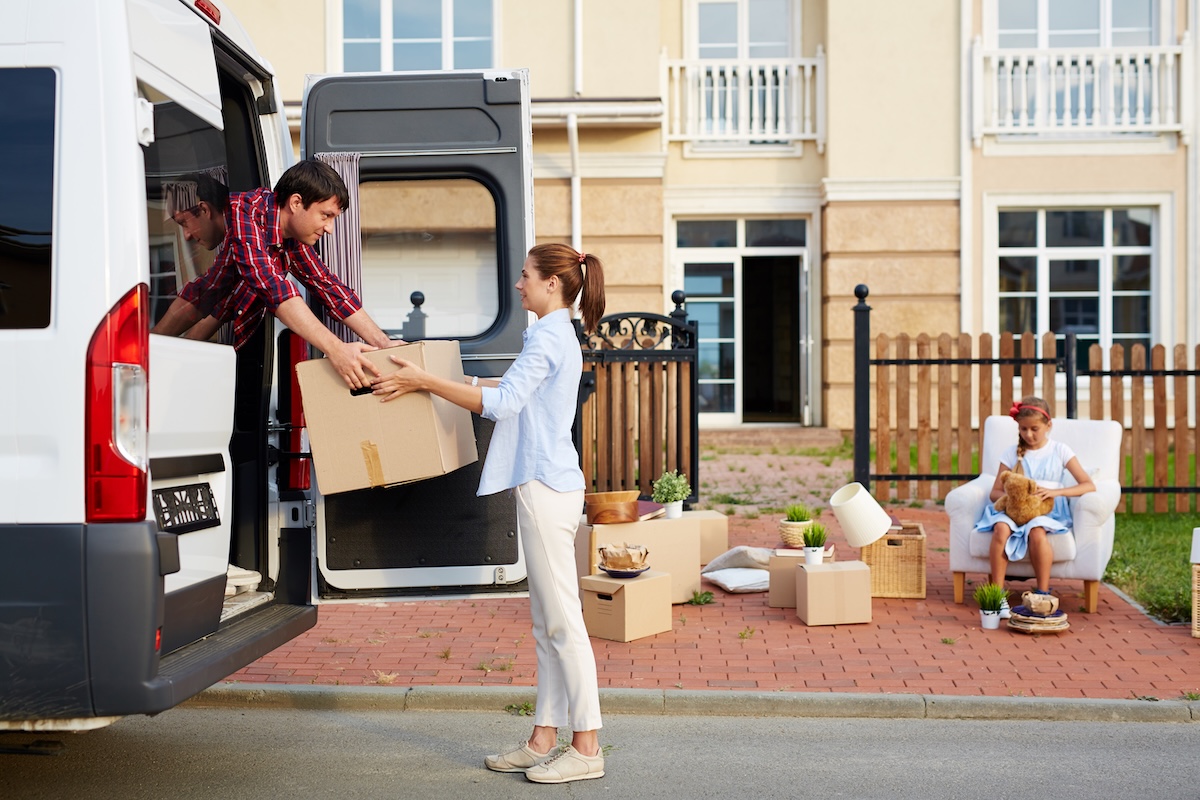
As you start packing, a room-by-room approach will save your sanity. One of the most overlooked packing tips for moving is resisting the urge to mix items from different rooms into the same box just because there’s space. It may seem efficient in the moment, but it makes unpacking a nightmare. Start with rooms you use the least, like guest bedrooms, storage closets, or basements, and work your way toward high-use areas like the kitchen and bathroom.
The kitchen often takes the most time to pack, largely due to the number of items and the amount of care required. Dishes, glassware, and small appliances need thoughtful handling to arrive safely. Plates should be wrapped individually and placed vertically in boxes rather than stacked flat, which helps reduce pressure and breakage.
Dish towels, napkins, and potholders can double as packing material, saving time and reducing waste. Pots and pans can be grouped together with paper or towels placed between them, while glassware should go into smaller boxes with generous cushioning. Grouping kitchen items by function, such as baking supplies, cooking utensils, or pantry goods, makes unpacking far more straightforward. If you’re disconnecting appliances, taking a quick photo of cords and connections can make reassembly much easier once you arrive.
Bedrooms are often easier to pack than people expect, especially when you use a few time-saving techniques. One of the most popular packing tips for moving quickly is leaving clothes on hangers. Gather groups of hanging clothes and slide them into large garbage bags, tying the bag around the hooks. This keeps everything together and allows you to hang clothes directly in your new closet without re-folding. Dressers don’t always need to be emptied either, unless they’re especially heavy. Securing drawers with stretch wrap prevents them from sliding open during transport. Suitcases are also incredibly useful for packing clothing, shoes, and linens, and using them reduces the number of boxes you need.
Living rooms and entertainment areas require a bit more attention to detail, particularly when it comes to electronics and decorative items. Before unplugging televisions, gaming systems, or sound equipment, take photos of the cable connections so setup later is easier. Place remotes, cords, and small accessories into labeled zip-top bags and tape them directly to the corresponding device.
When packing electronics, original boxes offer the best protection, but if those aren’t available, wrapping items in soft materials and placing them snugly in padded boxes works well. Books should always be packed in small boxes, as they become heavy quickly and can be difficult to lift if overpacked. Decorative items should be wrapped individually, with boxes clearly labeled to ensure careful handling.
Bathrooms and utility spaces are often left until the last minute, but packing them earlier can save valuable time. Start by discarding expired toiletries and products you no longer use. Liquids should be sealed in plastic bags to prevent leaks, and it’s a good idea to pack a separate essentials bag with items you’ll need right away, such as toiletries, medications, and towels. In laundry rooms, consider using up cleaning supplies before the move or giving unopened products to neighbors. If you do move them, keep them upright and well-sealed to avoid spills.
Strategize & prioritize
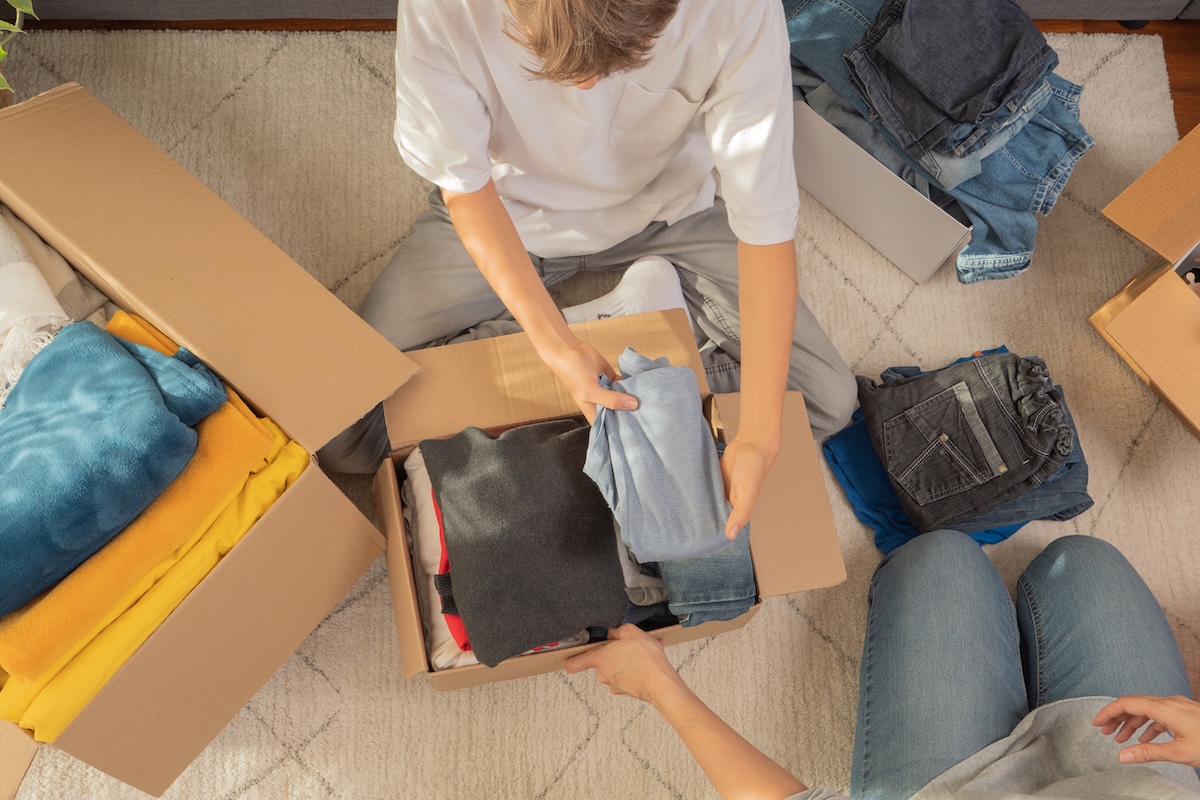
As you pack, think carefully about weight and labeling. Clear, consistent labeling is one of the simplest packing tips for moving that pays off in a big way. Labeling and box weight play a major role in how smoothly moving day goes. Each box should be labeled with both the destination room and a brief description of its contents, written on multiple sides for easy visibility. Some homebuyers find it helpful to use a color-coding system, assigning a specific color to each room. This can speed up unloading and help movers place boxes in the correct areas right away.
Paying attention to weight is also important. Heavy items should always go into smaller boxes, while lighter items can go into larger ones. This keeps boxes manageable and prevents injuries or damaged materials. Label every box clearly with both the room and a brief description of what’s inside. If you want to speed things up even more, use a color-coding system where each room has its own color. Pair this with a simple moving checklist, and you’ll always know where things are without tearing through every box.
There are certain items that should never go on the moving truck. Important documents, jewelry, medications, sentimental items, and irreplaceable valuables are best transported personally. Hazardous materials, perishables, and open containers of chemicals should also be excluded. Keeping these items with you ensures they’re accessible and protected throughout the move.
As moving day gets closer, avoid common mistakes that slow everything down. Don’t overpack boxes, don’t skimp on cushioning for fragile items, and never skip labeling. Certain items should never go on the moving truck, including hazardous materials, perishables, and irreplaceable valuables. A quick review of how to pack for a move safely can save you from costly or stressful problems later.
Get moving!

In the final days before your move, confirm all details with your moving company, transfer utilities, and update your address. Pack everything except daily essentials a few days out, and do a thorough walkthrough the night before moving day to make sure nothing gets left behind.
Moving quickly doesn’t mean moving carelessly. With a solid plan, smart organization, and these practical packing tips for moving, you can handle a fast relocation with confidence. Before you know it, the boxes will be unloaded, the truck will be gone, and you’ll be settling into your new space, relieved that the rush is finally behind you. A new home represents a fresh start, and a well-executed move helps you begin that chapter on the right foot. Happy moving!
Getting ready for your upcoming move?
Our Ultimate Moving Pack has checklists and worksheets to help ease the stress of packing and moving.