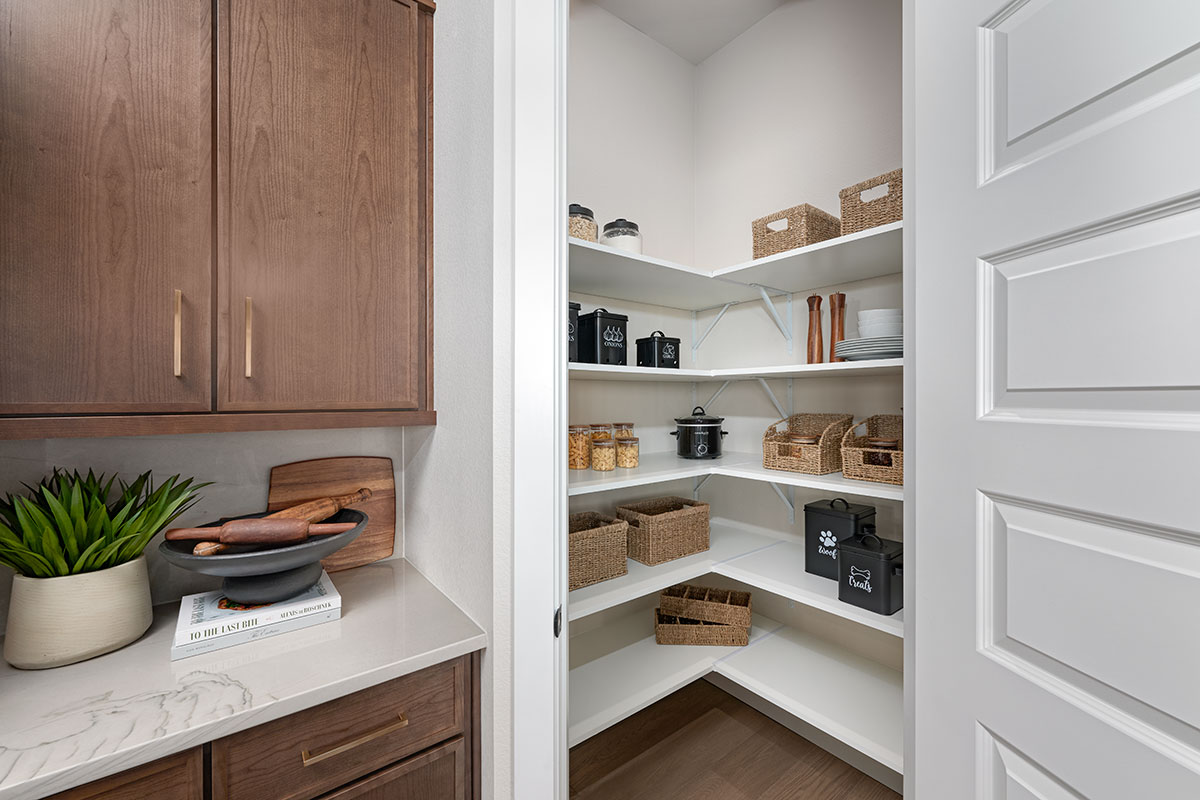
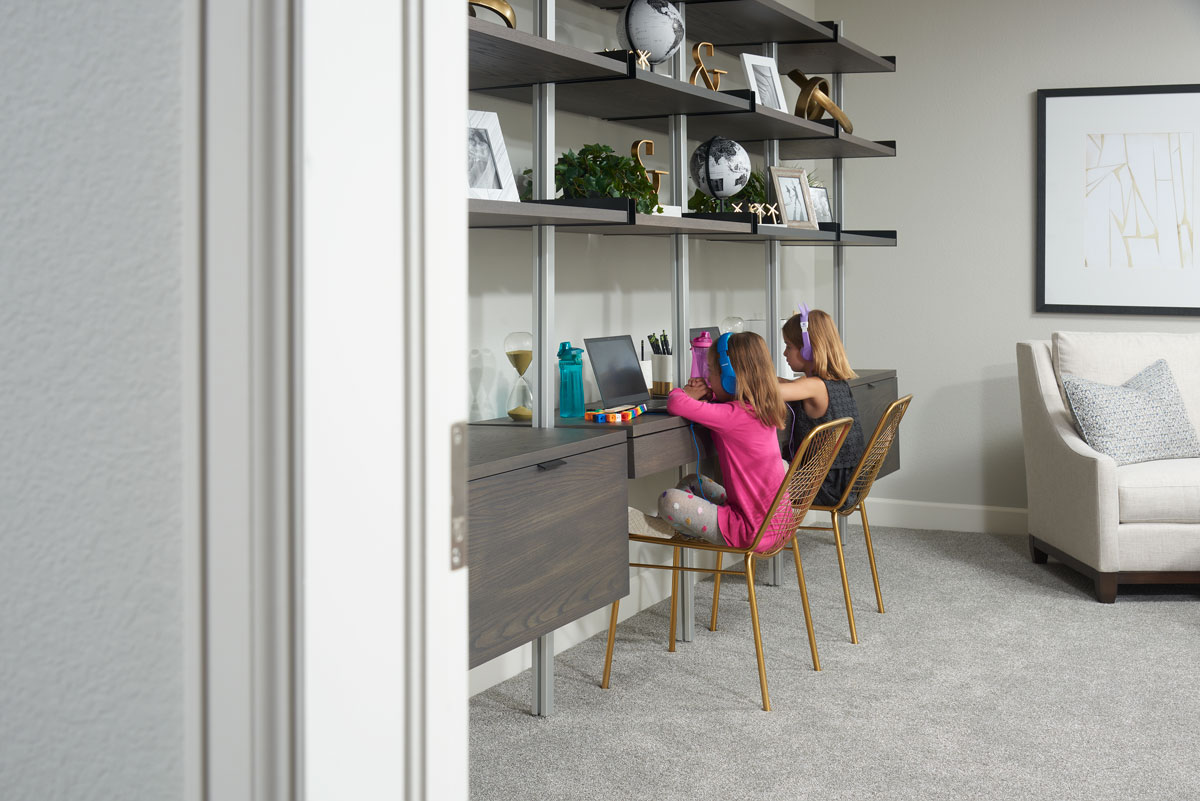
For families with kids, clutter can feel like a constant companion. Toys migrate from bedrooms to living rooms. Homework spreads across kitchen tables. Craft projects appear on every flat surface—and somehow never fully disappear. If you’re searching for a new home and you have little ones in the mix, you may already be thinking beyond curb appeal and square footage and asking a more practical question: How will this home actually function for our family day to day? One increasingly popular solution to clutter woes is the upstairs loft space.
Though sometimes overlooked during the house hunting process, a loft space can be one of the most powerful tools for decluttering, restoring order, and creating a calmer living environment without sacrificing style or comfort. In this article, we’ll explore how this type of area can help your family keep messes contained, while also adding flexibility and usable square footage.
Why does clutter feel inevitable in homes with kids?
Before diving into solutions, it helps to understand why clutter builds up so quickly in family homes. Kids need space to play, learn, create, and relax—but those activities don’t always fit neatly into traditional room layouts. Bedrooms can become crowded with toys, dining tables often double as homework stations, and living rooms might turn into play zones. Over time, every room starts serving multiple purposes, and clutter spreads across the home.
This is where some floor plans might fall short. Certain homes just don’t offer a flexible, dedicated space that can absorb the overflow of daily life. A home with a loft, however, can solve that dilemma beautifully.
What exactly is a loft space?
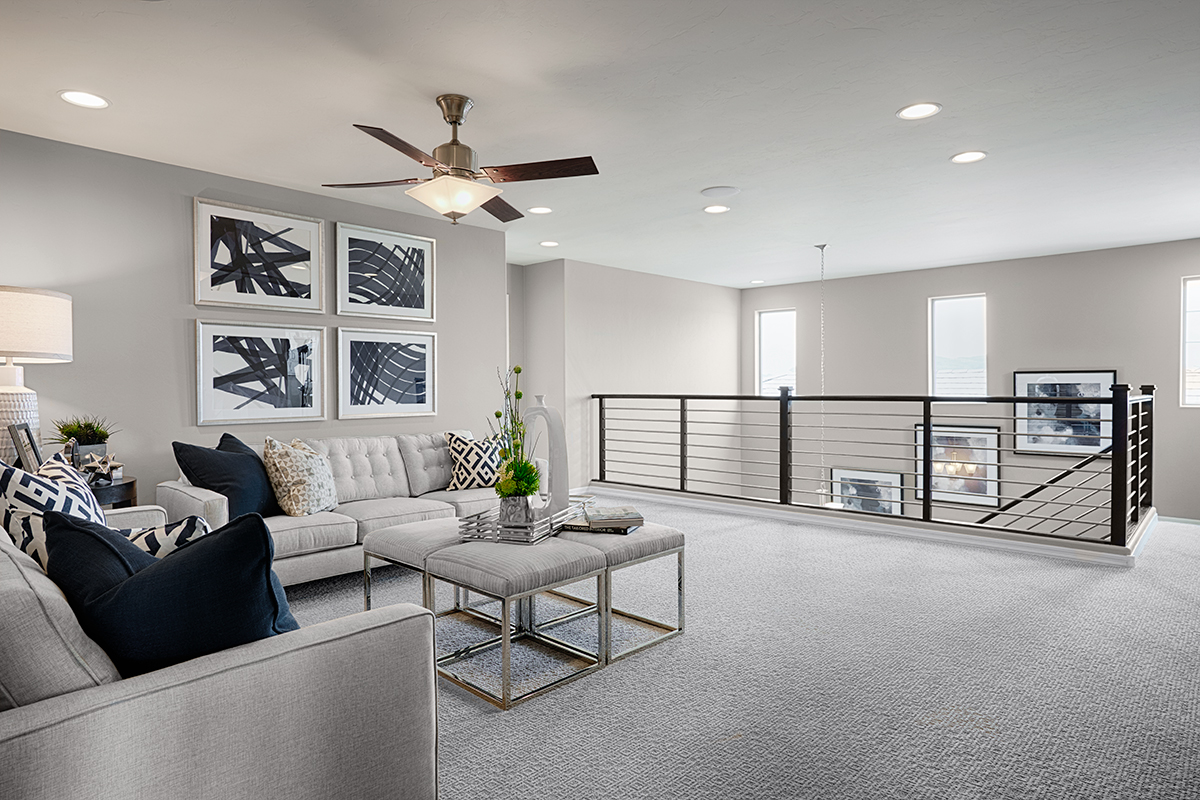
In many new homes, a loft space is an open area located upstairs, often overlooking a staircase or hallway and surrounded by bedrooms. Unlike a closed-off room, a loft space feels open and adaptable, making it ideal for families whose needs can change over time. The key advantage of a loft space is flexibility. It isn’t locked into a single purpose like a formal dining room or a guest bedroom. Instead, it evolves with your family and can even serve multiple functions at once.
How can a loft space be used?
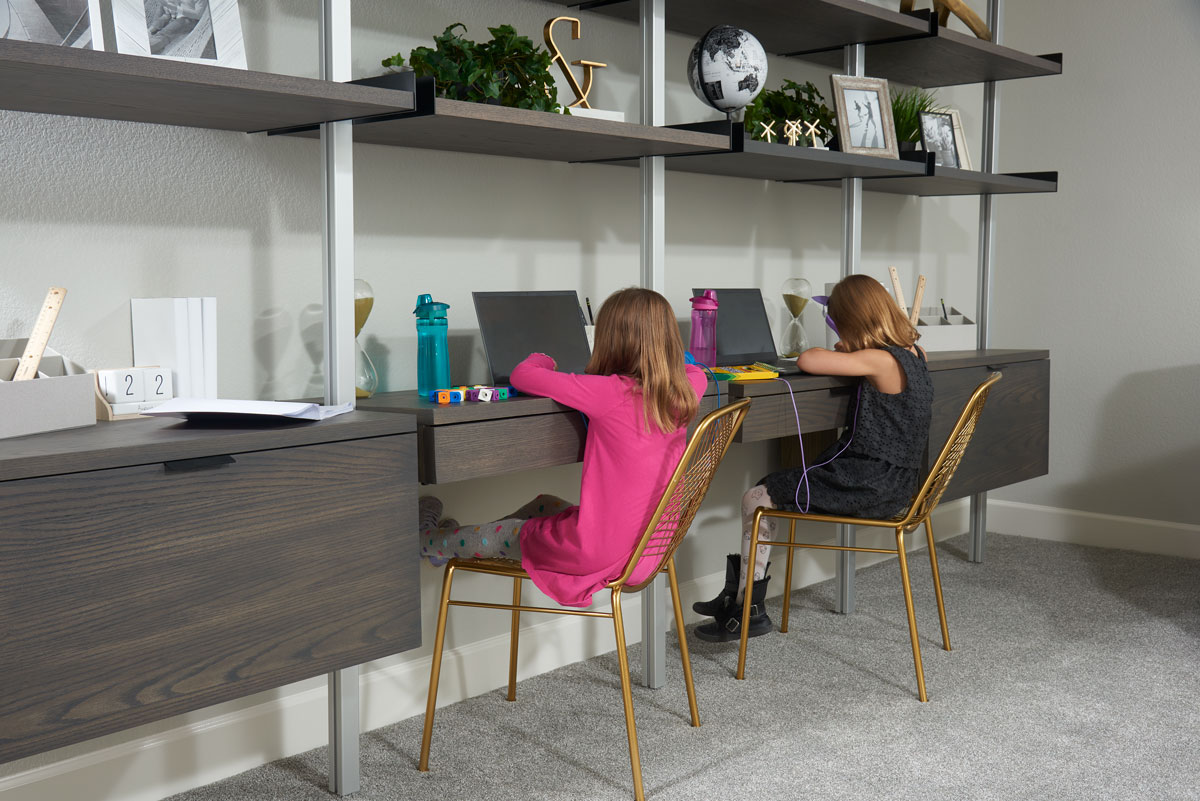
One of the biggest benefits of an upstairs loft space is its ability to act as a designated overflow area. Rather than letting clutter spread throughout the entire house, you can intentionally direct it to one organized, purposeful place. Think of your loft space as a pressure valve for your home. When life gets busy (and it typically does), this area absorbs the extra activity without disrupting the rest of the house.
Here are a few ideas for how your family could use a loft space to contain clutter and chaos.
A workspace that frees up the kitchen table
For both adults who work remotely and kids with a lot of studying to do, the kitchen or dining table can be a natural place to set up shop. While convenient, this situation often leads to stacks of papers, laptop chargers, school supplies, and half-finished projects cluttering up shared spaces. Over time, this kind of disorder could push the family away from the table and toward the couch to eat, detracting from intentional meals all together. A loft, on the other hand, could help clear that school- and work-related clutter.
Built-in desks, rolling storage carts, bookshelves, and other tools can turn your loft space into a work-from-home haven, both for you and for the kiddos. Utilize wall-mounted whiteboards or calendars to keep schedules and to-do lists in sight, and filing cabinets to neatly store notes or paperwork. An added bonus? Having a designated spot for homework could help your kids focus better, since they aren’t surrounded by the living room TV or family noise of the kitchen.
A playroom that keeps toys in their place
If toys, games, puzzles, and other recreation items are taking over your main living areas, an upstairs loft space can also become a game-changing playroom. Because loft spaces are often located near bedrooms, the kids won’t have far to go when they’re ready to amuse themselves. Dolls, stuffed animals, books, board games, and all other playtime regalia can stay upstairs, instead of spilling out into the main living areas (and causing tripping hazards!).
Have younger children? Low shelves make it easier for them to reach their favorite toys, while clear containers help them see what’s inside. Better yet, make use of labeled baskets for quick access and simple cleanup! For some visual appeal, hang up family pictures and whimsical artwork, or consider organizing the bookshelves by spine color.
A media area that reduces noise and visual clutter
Many families struggle with competing needs when it comes to entertainment. You and your spouse may disagree about which show to watch, while your kids might have a favorite video game they’re always eager to play. A loft space can act as a secondary media area, offering another place for TVs, game consoles, and computers. Multiple needs can be met at the same time, all while keeping screens out of the bedrooms.
Add a sectional sofa, wall-mounted TV, and closed storage for remotes and accessories, and your loft space becomes a comfortable hangout area without the added clutter.
A creative craft hub that embraces the mess
Crafts and other art projects are great for helping kids and adults alike unleash their creativity. However, they can also be notorious clutter creators. With a loft, your family can have an unrestricted space where getting crafty (and messy!) is allowed and expected. Unfinished projects can linger until they’re completed and, when it’s time to finally clean up, all of the supplies have their own place to live.
Consider including an easy-to-clean table, wall organizers for larger or oddly shaped items, and clearly labeled drawer units to house markers, crayons, scissors, and glue. Say goodbye to unforgiving stains on your kitchen table, or coloring books littering your living room floor.
A second living space that grows with your family
One of the most underrated benefits of a loft space is how easily it adapts to your household’s changing needs. For instance, what starts as a playroom for toddlers can later become a study room for teens. A craft area for the kiddos can eventually turn into a home gym or hobby room for empty nesters. The point is, your loft can evolve with your lifestyle, and could even serve multiple purposes at once. Imagine the possibilities!
Organization strategies to make your loft space work harder
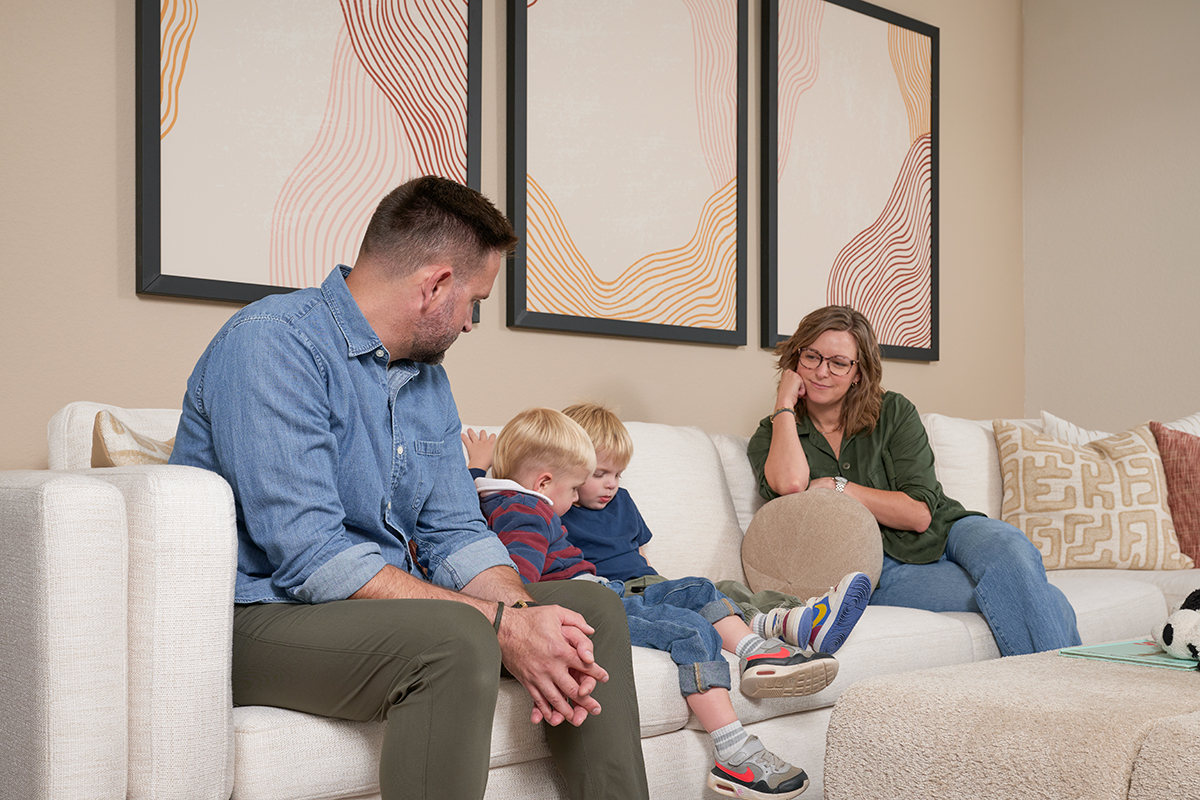
To truly reduce clutter, your loft space needs thoughtful organization. Here are a few practical ideas for keeping it both functional and stylish.
Use vertical space
Tall shelving units, wall-mounted cabinets, and pegboards maximize storage without eating up floor space. Vertical organization is especially effective in a loft space where floor plans are often open.
Choose furniture with storage
Ottomans, benches, and sofas with built-in storage provide hidden solutions for toys, blankets, and games.
Create defined zones
Define clear areas for different activities (homework, play, media, crafts, and more) by using rugs, furniture placement, or shelving. Zoning prevents clutter from mixing and becoming overwhelming.
Incorporate closed storage
While open shelves are great for display, closed cabinets help hide visual clutter. A balanced mix of the two can help keep the loft space feeling calm, aesthetic, and intentional.
Why should you prioritize a loft space in your house hunt?
For families shopping for a new home, a built-in loft space is more than just a bonus—it’s a lifestyle upgrade. A loft can offer:
- Additional usable square footage
- Better organization and storage options
- Reduced mess and disruption in the main living areas
- A separate area for your kiddos to play
- Flexibility for changing family needs
- And a calmer, more functional home overall
A thoughtfully designed loft space can become the backbone of family organization, helping busy households stay ahead of clutter instead of constantly trying to resolve it. It’s not just about extra square footage—it’s about having a home that works with your lifestyle instead of against it. Flexible spaces, convenient storage solutions, and family-oriented layouts aren’t always what you think of when you’re house hunting. However, they can make all the difference when it comes to day-to-day life in your new abode.
Searching for a new home with a loft
Ready to find a house with spaces to suit your lifestyle? Our knowledgeable New Home Specialists can help you pinpoint a floor plan that fits the bill—and checks off all the other boxes on your wish list! Simply call 888.799.8322 or chat with them online.
You can learn more about our livable floor plan designs here and check out this Pinterest board for additional tips on staying organized at home.
Get a room-by-room floor plan lifestyle guide!
Need help evaluating floor plans to discover which one is right for you? Get a floor plan worksheet, model home touring tips and more in How to Choose the Right Floor Plan for Your Lifestyle!