Many homebuyers have probably experienced this sensation—walking into a house and just knowing it’s the home for them. What they may not know, however, is all of the behind-the-scenes work that goes into creating that unforgettable feeling. If you’re preparing to sell your home, you’ll want to set yourself up for success by staging your house in a way that helps potential buyers visualize their future life there. Wondering how to stage a house for sale?
Home staging is all about creating that emotional connection. One powerful way to do so is by appealing to a buyer’s five senses—smell, touch, sight, hearing, and taste. This may seem odd, but it’s an effective way to inspire positive feelings and sentimentality around your home. In this article, we’ll be offering some tips for addressing each sense, as well as general advice for staging.
What is home staging and why does it matter?

“Staging consists of cleaning, decluttering, repairing, depersonalizing, and updating the home to entice buyers to picture themselves in the space.” – National Association of REALTORS® (NAR)
In other words, staging is about turning your house into the best, most universally appealing version of itself. The goal is to highlight strengths while minimizing distractions, allowing potential residents to imagine their future lives there. Staging may take multiple forms. It could look like hiring a professional who may provide furniture and décor to create a more inviting, cohesive look. Or, you could go the DIY route and focus more on cleaning, rearranging, and decluttering.
Just how important is staging? Based on a 2025 profile from NAR, 83% of surveyed buyers’ agents said that staging made it easier for their clients to visualize living in a home. The numbers don’t lie—the right preparation really can impact how potential buyers view your home. When you learn how to stage a house for sale, you set yourself up for a better emotional connection with everyone who walks through the doors.
What’s the typical cost of home staging?

According to 2025 data from HomeAdvisor, the average price of home staging is about $1,844. However, this number can vary significantly depending on several factors, including the size of your home, the condition it’s in, how many rooms are staged, and whether the home will be vacant or occupied while it’s on the market. Your costs will also hinge on whether or not you hire a professional.
Hiring a pro stager provides a more hands-off experience, but also typically involves higher upfront costs. Professional stagers may bring in rented or purchased furniture, artwork, lighting, and décor to create a cohesive, buyer-friendly look. In addition to these items, some stagers charge for an initial consultation, design planning, furniture delivery, or monthly rental fees, which can increase the total investment.
That said, professional staging isn’t the only option, particularly if you’re searching for a more budget-friendly path. Many sellers successfully stage their homes themselves, especially if the home is already well maintained. With a little bit of creativity and some guidance from your real estate agent (plus articles like this one!), you can take a DIY approach that allows you to control costs while still making a strong impression.
If you choose to stage your home on your own, the sensory-based tips below can help you prioritize improvements that offer the biggest impact without breaking the bank.
How do I use smell to stage a house?
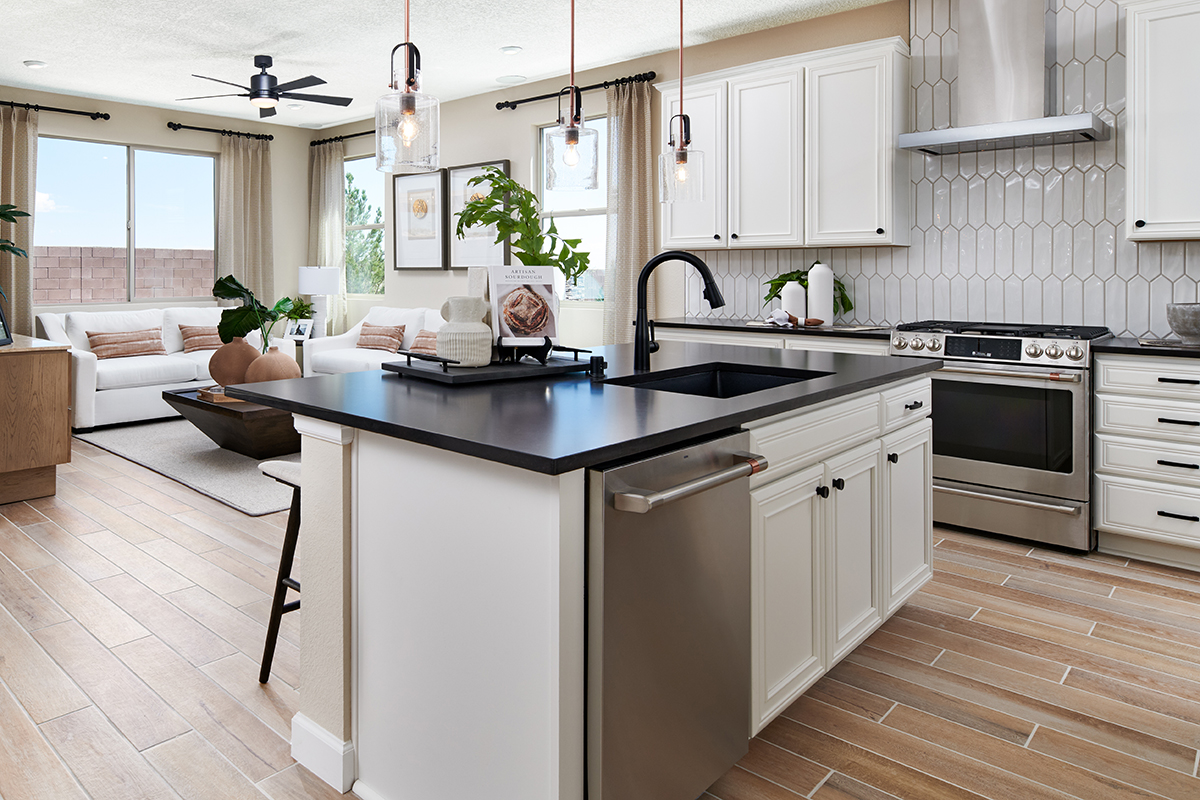
Smell can evoke an emotional response that doesn’t even register in our conscious thoughts. Even the slightest hint of mustiness can conjure impressions of mold and mildew, so make sure each room of your home smells as fresh and clean as possible.
- Weather permitting, open your windows and doors to let in the fresh air. Box and ceiling fans can help you circulate air into rooms with less ventilation.
- Fresh-cut flowers help brighten any room’s atmosphere. Just make sure you choose varieties with subtle scents and low pollen. See examples.
- Replace or remove old rugs and bathmats and clean or air out curtains.
- Have your carpets and upholstery cleaned just before you put your house on the market and remember to vacuum daily. With any luck, your floors will be seeing a lot of extra foot traffic!
- As much as you can, keep trash—especially kitchen waste—in sealed containers outside or in your garage.
- Don’t let dishes pile up in the sink or dishwasher. Rinse after each use and take special care to keep your garbage disposal clear. Run the water for at least 30 seconds after you turn off the disposal and clean with vinegar and water as needed. Toss in some citrus peels for a fresh aroma.
- Choose cleaners that won’t leave a harsh chemical smell in your home. This is a chance to do something nice for yourself, as well as your visitors. Cleaning is a much more pleasant task when you don’t need frequent fresh-air breaks!
Pet owners: If your furry family members must stay in the house while it’s on the market, try to limit them to areas with hard-surface floors and encourage them to stay off the upholstery. Bathe and brush them as much as possible to keep shedding and odors minimal. Buyers with allergies will thank you! Be sure to take your pet out of the house during showings if at all possible. Learn more about selling a home with pets.
Smokers: If you’ve been smoking inside your house, now’s the time to stop—the sooner the better!
How do I use touch to stage my home?

Texture matters more than you think. Incorporate a variety of cloths and textures throughout your home to create a more inviting, put-together look. Cover your furniture with new fabric if the original upholstery is starting to look worn. Bed linens should be clean, stain-free and touchable.
Also take a moment to physically inspect your space. Run your fingers over some of the surfaces in each room. Feel some dust? Wipe it down. Splintering wood? Sand it and refinish.
You might add environmental controls (heat/cooling/humidity) since that’s another aspect of touch. Set the temp to a comfortable range, add or remove moisture, address uncomfortable drafts and hot spots, etc.
How do I use sight to stage my home?
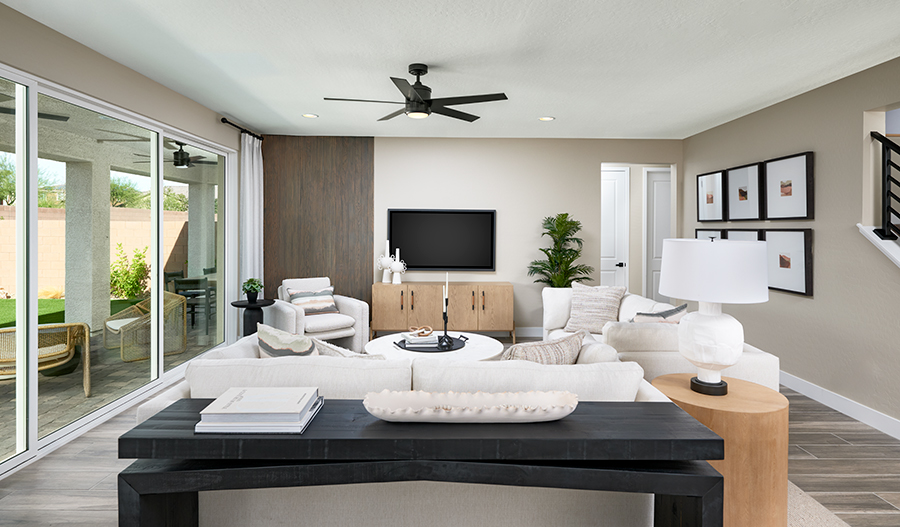
While your home is on the market, it needs to be set up in a way that serves your selling goals, not necessarily your lifestyle. That may mean rearranging or redistributing your furniture, putting personal belongings into storage, and/or painting and other redecoration.
- Each room should be shown to its best advantage. Small rooms can appear larger with the proper furniture placement, paint color, and lighting, while the right window treatments can compensate for small windows. Take steps to address cracks, stains, or other visible signs of disrepair. No matter how minor they may be, you don’t want buyers to start thinking the house needs work.
- If you’ve been using the dining room as a home office or your guest room as a storage room, consider borrowing or renting furniture that helps re-establish each room’s original purpose. Buyers should be able to see how they’d live in each space, not how you’ve chosen to use it.
- The less you showcase your personal tastes, the easier it is for buyers to see their own design possibilities in each room. Pack away mementos like family pictures and trophies and declutter as much as you can. You can even use this as an excuse to get a head start on packing!
- Consider adding a fresh coat of paint. It can help create that clean slate you’re going for and freshen up your walls at the same time.
How do I use hearing to stage my home?
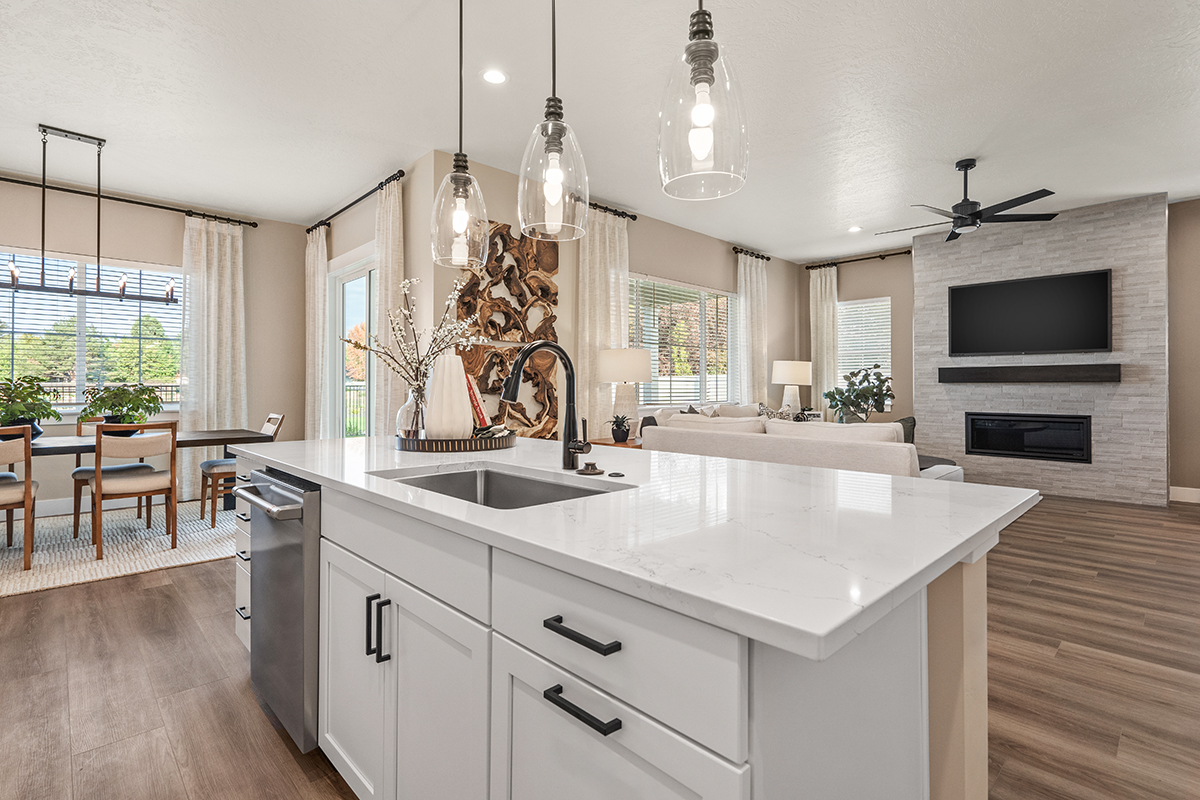
Take a moment to listen to your house. No, this isn’t a zen exercise. Do you hear dripping faucets, squeaky steps, or anything else that needs a quick fix? You can’t control things like traffic sounds or noisy neighbors, but you can distract from them by playing soft music throughout the whole house. Try sticking with calming instrumental songs—popular tunes or lyrics may be distracting for visitors.
How do I use taste to stage my home?

Arguably the most difficult sense to appeal to when selling a home, taste can be addressed by providing refreshments to agents and buyers touring your home. Visitors might not remember which house had a vase of daisies on the counter, but they’ll remember the one that had just-brewed coffee, ice-cold bottled water, or a fresh fruit tray.
Conclusion
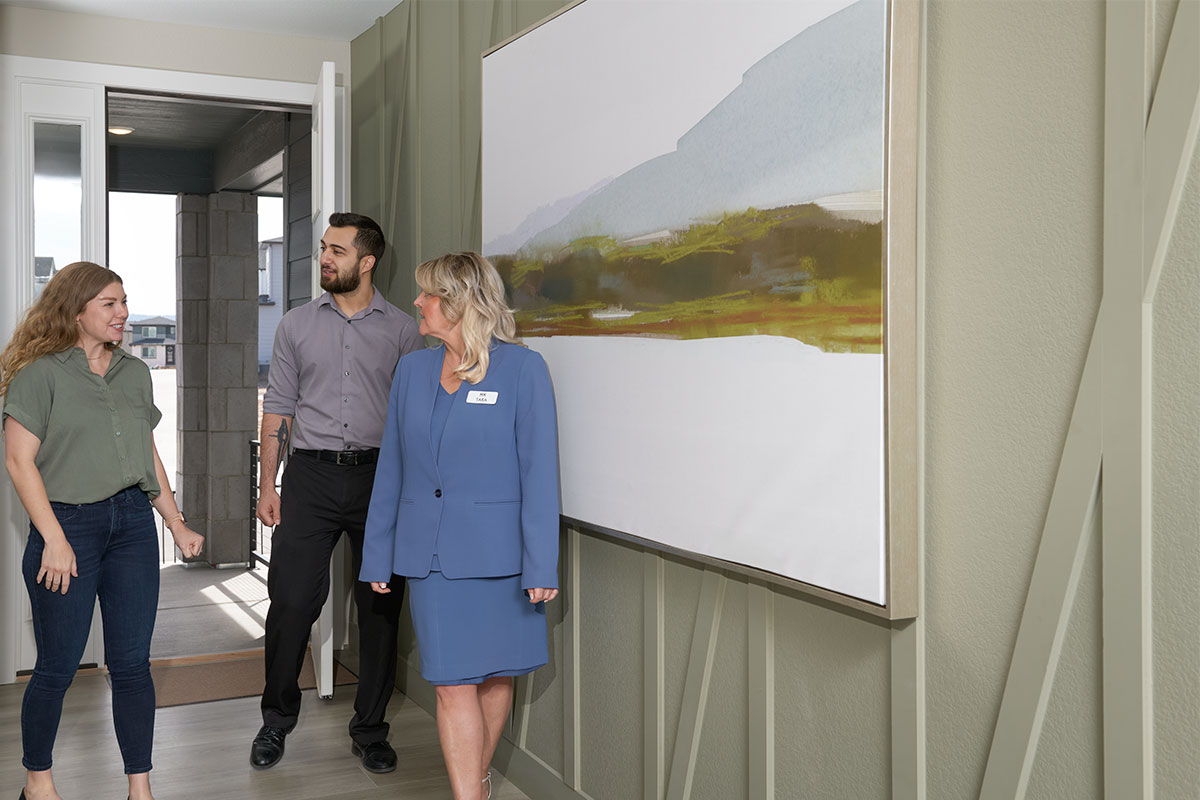
Learning how to stage a house for sale may require extra time and effort, but it’s an investment that can pay off in meaningful ways. By thoughtfully appealing to all five senses, you’re not just showcasing a property—you’re creating an experience that helps buyers imagine their lives unfolding within those four walls. That emotional connection can potentially lead to stronger interest, faster offers, and, ultimately, a smoother selling process.
Whether you choose to work with a professional stager or take a stab at it yourself, small, intentional changes can make a big impact on your home’s appearance and ambiance. Keep these sensory staging tips in mind as you prepare your home for the market, and remember that the goal is simple: help buyers instantly feel at home.
Check out our other blog articles for more tips on selling your home!

Prepare to put your home on the market!
Learn how to photograph it like the pros with our free Real Estate Photography Guide.