For many of today’s homebuyers, a dedicated home office is no longer a luxury; it’s a necessity. Whether you work remotely full-time, split your week between home and the office, run a side business, or simply need a quiet place to stay organized, having a dedicated workspace can be a game changer. A well-designed home office gives you the flexibility to work, create, plan, and manage daily responsibilities comfortably, while helping you maintain a healthy balance between work and home life. As work and everyday routines continue to evolve, a dedicated home office ensures your home can support your needs today and adapt to whatever comes next.
If your lifestyle permits a WFH policy, you might not know exactly where to begin when creating an environment that helps you streamline your workflow, get into a productive rhythm, and contribute to your employer as efficiently as you would in an office. However, once you figure out the specific place in your home that makes the most sense as a remote office, everything else usually falls into place pretty seamlessly.
In this article, we’ll help you optimize your remote work home office setup, offering advice on how to fine-tune the details so that you can make the best use of space in your home and create an ideal WFH situation that’s tailored to you.
Questions to ask about your work-life balance and environment
Just as a bedroom serves as a peaceful retreat from the activity of shared living spaces, a dedicated home office provides a place to focus and be productive without disrupting the flow of daily life. This is a space dedicated to increasing your focus and reducing distractions from your personal life. Our thoughtfully designed homes give every room and nook a purpose, empowering you to make the most of your precious space. Whether you choose to set up your workspace in your basement, stay plugged into the heart of your home at a tech center, or take advantage of the quiet privacy of an upstairs retreat, it’s helpful to set healthy boundaries around your home office.
Establishing boundaries in your remote work home office can make a significant difference in both your well-being and performance. A dedicated workspace helps minimize interruptions during the workday, making it easier to stay intentional, productive, and organized. Creating clear physical and mental separation between your work environment and personal living space also helps maintain a healthier work-life balance, allowing you to fully disconnect and recharge when the day is done. With fewer disruptions, a decluttered workspace, and stronger boundaries, you can work more efficiently while protecting your personal time.
As you decide where you want to set up your workspace, evaluate your surroundings and ask yourself:
- Do I need a door? While some remote workers prefer to be in the center of the action and have a wide view of an open area of the home, many prefer to work in a room with a door. This allows you to drown out any noise from other areas, and keep kids and pets out (or in, if you prefer a four-legged furry office mate within foot’s reach).
- Do I have a lighting preference? Depending on which floor you are on, how many windows there are, and which direction they face, you will get different levels of natural sunlight throughout the day, which has plenty of benefits for our physical and mental well-being. You might appreciate the late afternoon’s sunny greeting from a West-facing window to gently remind you it’s almost time to wrap up your work day, or you may prefer moody lighting from a tasteful lamp.
- Is there audio that helps me get in the zone? Everyone has their own music tastes and concentration levels. Sometimes, mid-frequency white noise (which sounds like TV static or radio hiss) or lower-frequency pink noise (like steady rainfall or rustling leaves) are the perfect audio companion to a busy work day. Some remote workers may enjoy some soft lo-fi hip hop or classical music, while others love to jam out to their favorite upbeat songs for a power hour of repetitive tasks. Discover the ideal environment you’re most productive in.
- What do I want to look at when my eyes need a break? While many people find a television screen to be distracting, others enjoy a nature montage to add some energy to the room. You may find solace in having items that spark joy in your remote office, whether it’s photographs of your loved ones, travel trinkets you’ve acquired over the years, or even collectible artwork that you assemble yourself, like LEGO sets or intricate book nooks. Having things to look at can inspire creativity in your workflow. Additionally, beautiful low-maintenance plants can infuse the space with some vigor and improve air quality.
- Are there any tastes or smells that help me focus? Certain scents inspire specific feelings. While the rejuvenating scent of peppermint is frequently associated with increased alertness and mental clarity, bright citrus scents are known to be energizing, uplifting, and creativity boosting. Try an essential oil diffuser, scented candle, or fresh flowers to enhance your space. Plus, certain brain-healthy snacks, like walnuts, dried berries, or dark chocolate, are great to have within arm’s reach for a quick cognitive boost.
- Am I physically comfortable? Ergonomics and productivity are closely connected because it’s hard to do your best work when you’re constantly distracted by discomfort. When your chair properly supports your back, your monitor is positioned at a comfortable height, and your desk encourages good posture, your body has more energy to spend on concentrating on the tasks at hand. Fidget gadgets, stress balls, and desk toys can also fuel energy levels and provide mini-breaks between tasks.
Common WFH spaces
Now that you’ve answered a few questions about your ideal home office work environment, it’s time to decide where to establish this workspace. Below is a list of the most common rooms that remote workers like to WFH in. The ideal space will depend on your home’s layout, your work style, and how much privacy you need throughout the day. Whether you’re taking video calls, managing projects, or simply looking for a dedicated place to concentrate, consider these options:
Remote work in the recreation room
A basement rec room can be a surprisingly great place to clock in for the day. Tucked away from the hustle and bustle of the main living areas, it offers a little extra peace and quiet, making it easier to focus on work instead of whatever’s happening upstairs. It’s also a helpful way to create that “commute” mindset without ever leaving home, helping you mentally switch between work mode and relaxation mode.
If you choose the basement for your office setup, a few thoughtful touches can go a long way. Many Richmond American plans with basements are even designed to feel brighter and more open with large windows and elevated ceilings. But if your basement doesn’t get a lot of sunshine, layered lighting can help brighten things up and keep your eyes comfortable during long work sessions. Add a cozy chair, warm finishes, and a few plants, and your underground workspace can feel less like a basement and more like a productivity retreat.
Flex room home office
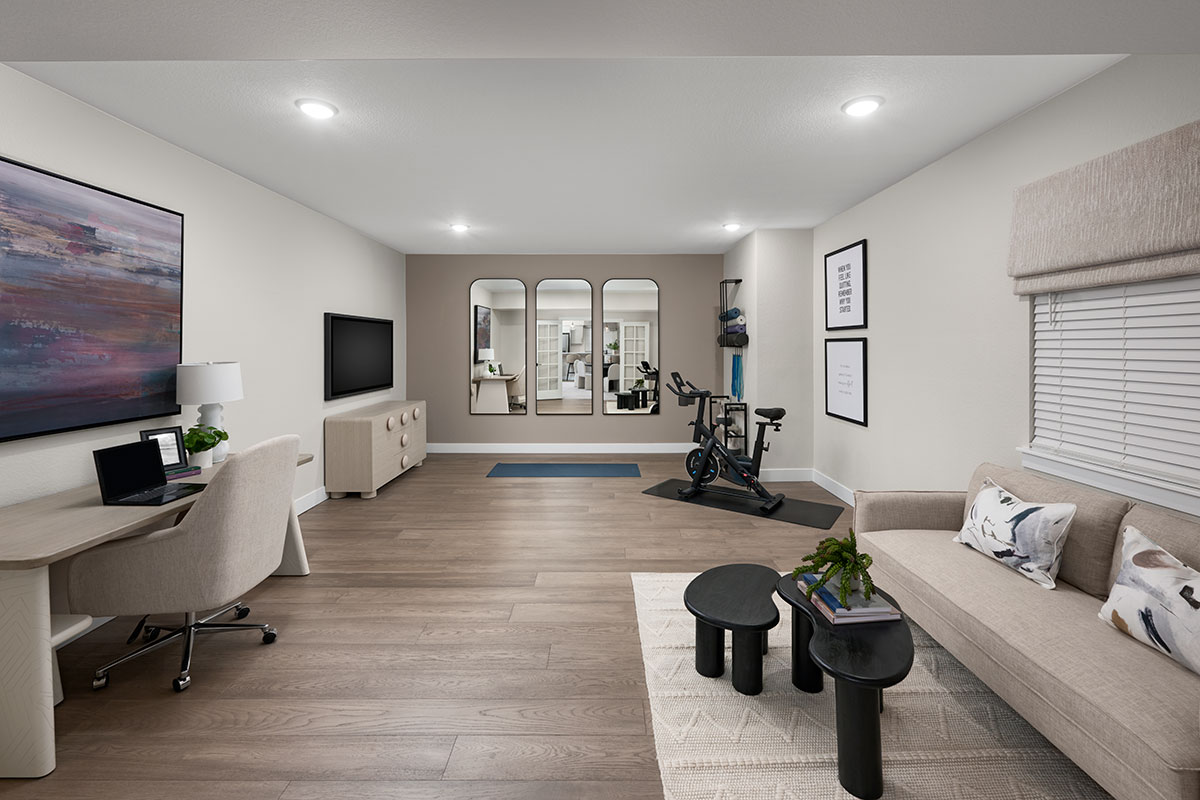
The versatile flex room is another natural choice to consider. It can easily transform into a productive home office while still adapting to everyday life when needed. Many of our floor plans place flex or bonus rooms near the kitchen, great room, or recreation rooms, making it easy to stay connected to the action without getting caught up in it.
To help keep work and home from blending into one endless to-do list, consider adding smart storage solutions that tuck away paperwork, office supplies, and tech when the day is done. Cabinets, shelves, and stylish storage baskets can help your workspace disappear after hours, making it easier to close the laptop, leave work behind, and reclaim the room for whatever comes next.
Productive workspace in the study
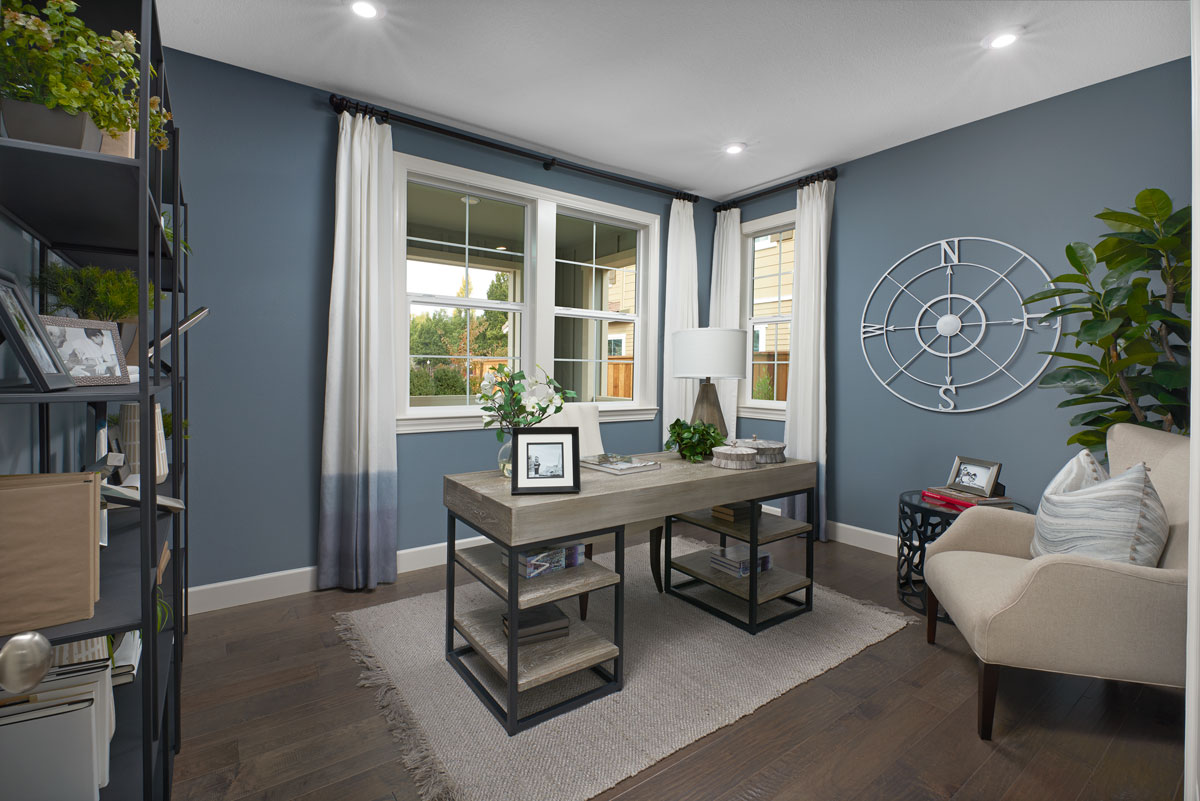
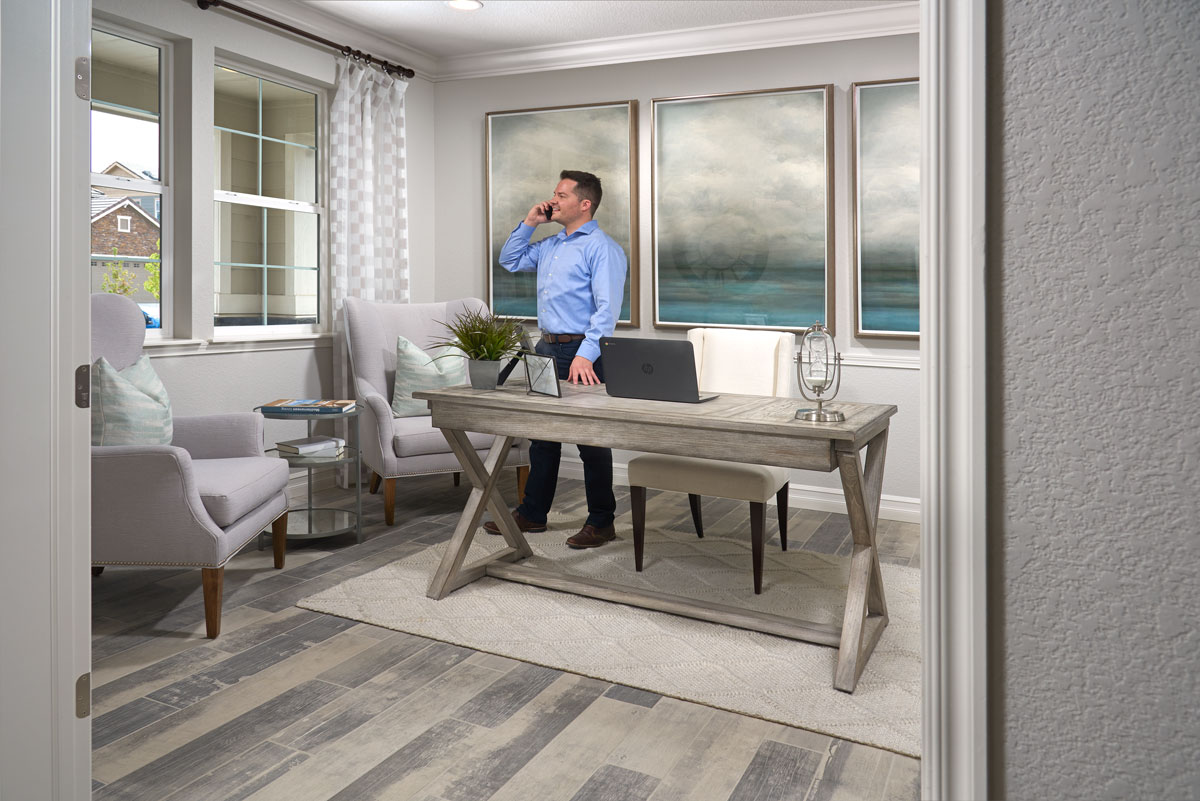
A dedicated study is the gold standard for working from home. With a door you can close and a space that’s separate from the rest of the house, it’s easier to draw a line between office hours and family time. Think of it as your headquarters for productivity, minus the daily commute.
To keep the space working as hard as you do, take advantage of built-in cabinets, bookshelves, and other storage solutions that help keep clutter at bay. Add plenty of natural light, a comfortable chair, and a few personal touches, and you’ll have a workspace that’s both inviting and efficient. The result is a home office that helps you stay focused during the day while still feeling right at home when it’s time to log off.
Tech center home office
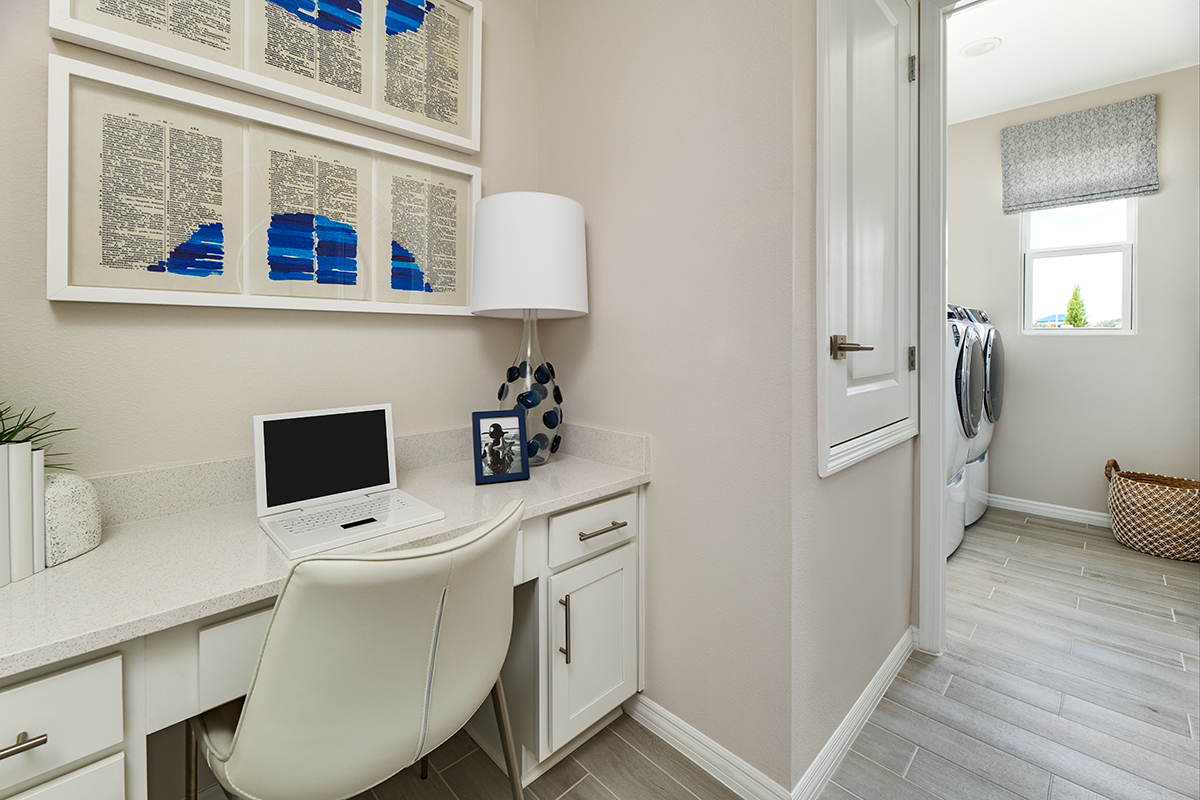
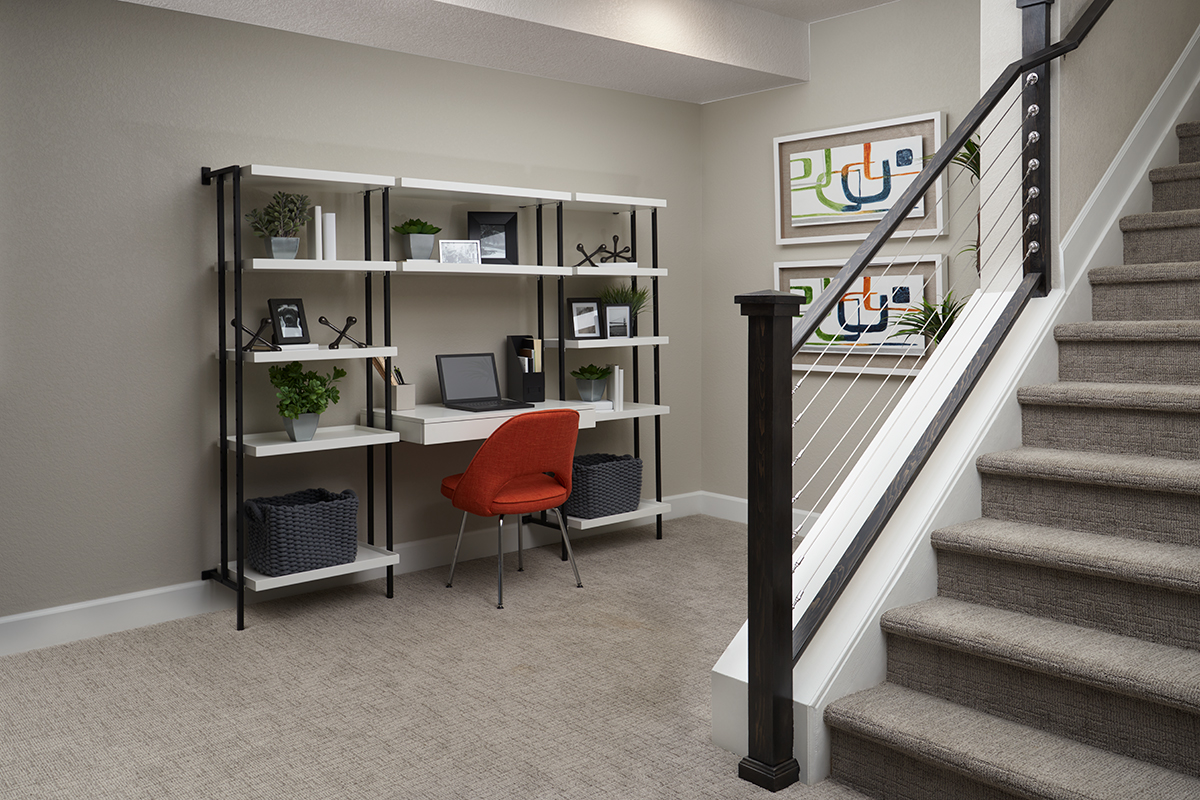
Many Richmond American homes also feature built-in tech centers, (also known as desk nooks or pocket offices) proving that a productive home office doesn’t have to take over an entire room. These compact spaces are perfect for remote professionals who rely more on their virtual desktop than wide work surfaces.
With built-in desks and shelving already in place, staying organized is refreshingly simple. Add a few clever touches like closed storage, cord management, and good task lighting, and you’ll have a workspace that feels streamlined instead of cluttered. Best of all, when the workday wraps up, a tech center can blend seamlessly back into everyday life, keeping your house feeling like a home rather than a corporate headquarters.
Remote work home office in the loft
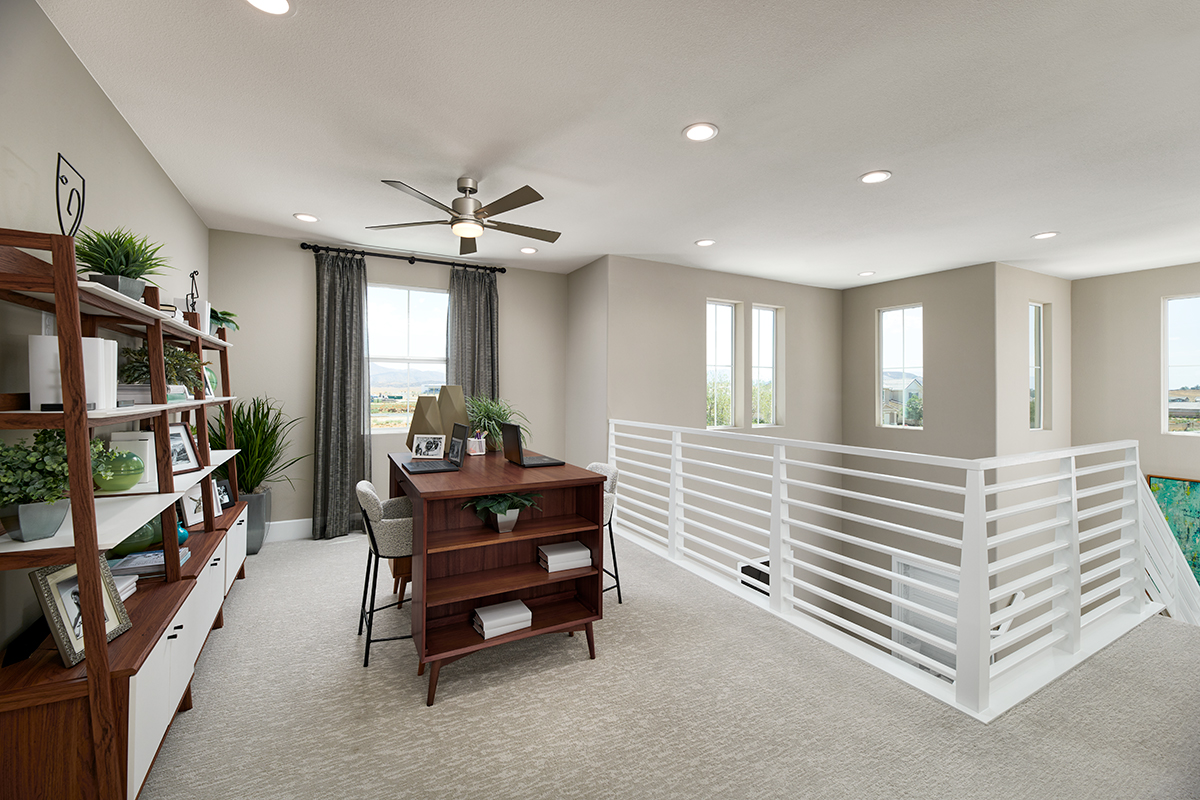
An upstairs loft can make a fantastic work-from-home hub. With its open layout, generous natural light, and flexible design, a loft offers plenty of room for everything from a spacious desk setup to extra storage and a comfy spot for brainstorming sessions or coffee breaks. It’s also a great place to leave your workspace intact between workdays without turning the kitchen table into a permanent office.
Because lofts tend to be more open, a little strategic design can help create a stronger sense of focus. Bookshelves, area rugs, decorative screens, or even thoughtfully placed furniture can help define “work zones” and “relaxation zones” without sacrificing the loft’s bright, airy feel. Think of it as creating a corner office with much better views and a shorter commute.
A WFH bedroom office
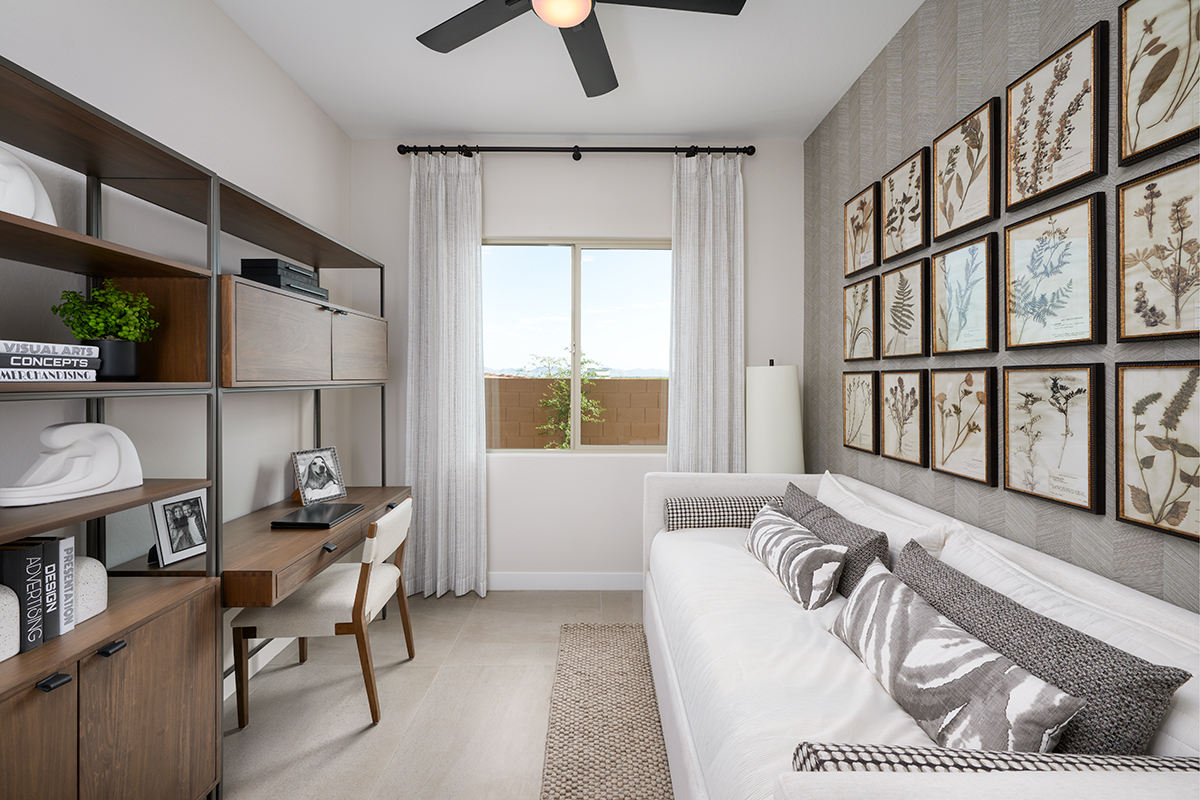
A secondary bedroom can pull double duty as both a productive home office and a welcoming guest space. With a door you can close, it offers a little extra tranquility for video calls, focused work, or tackling your latest big project. It’s also one of the best ways to create a clear separation between work and home life, helping you stay productive during the day and fully unplug when the workday ends.
Want to keep the room guest-ready? A daybed, Murphy bed, or sleeper sofa can make it easy to host overnight visitors without sacrificing your office setup. Pair it with a desk, an ergonomic chair, and smart storage, and you’ll have a space that’s ready for spreadsheets on Monday and houseguests on Saturday. Talk about a room that knows how to multitask.
A change of scenery

Sometimes, all it takes is a little break from your routine to refocus and discover newfound motivation. When working on a laptop from the comfort of your home office, you have the freedom to change your surroundings as often as needed. Hop into a virtual meeting on your tranquil covered patio, start brainstorming a new project at your elegant kitchen island, or send an email from your couch if you want to. Taking little environmental detours allows you to break up your day, knowing that you have an established workspace ready when you are. Here are some additional quick tips on how to creatively and efficiently optimize your remote work home office environment.
Trial and error
If you don’t get your remote work home office setup exactly right the first time, that’s okay! A little trial and error can quickly lead to perfection. Perhaps you just need to move your desk closer to or farther from the window for optimal lighting, or maybe you’ll realize that you’re too secluded in the basement rec room and prefer being closer to the main spaces. You’ll learn more about your remote work style as you experiment with different home office setups until you land on the one that makes WFH a balanced, healthy, and fulfilling part of your life.
Get started with your home office with these versatile products. If you’re looking for a space that inspires creativity more than productivity, explore how a home office can be transformed into a dedicated craft room instead.
What makes our floor plans Lifestyle Approved?
Our architects put a lot of thought into designing homes that fit the way homebuyers live today. Learn more about our in-demand features and options.