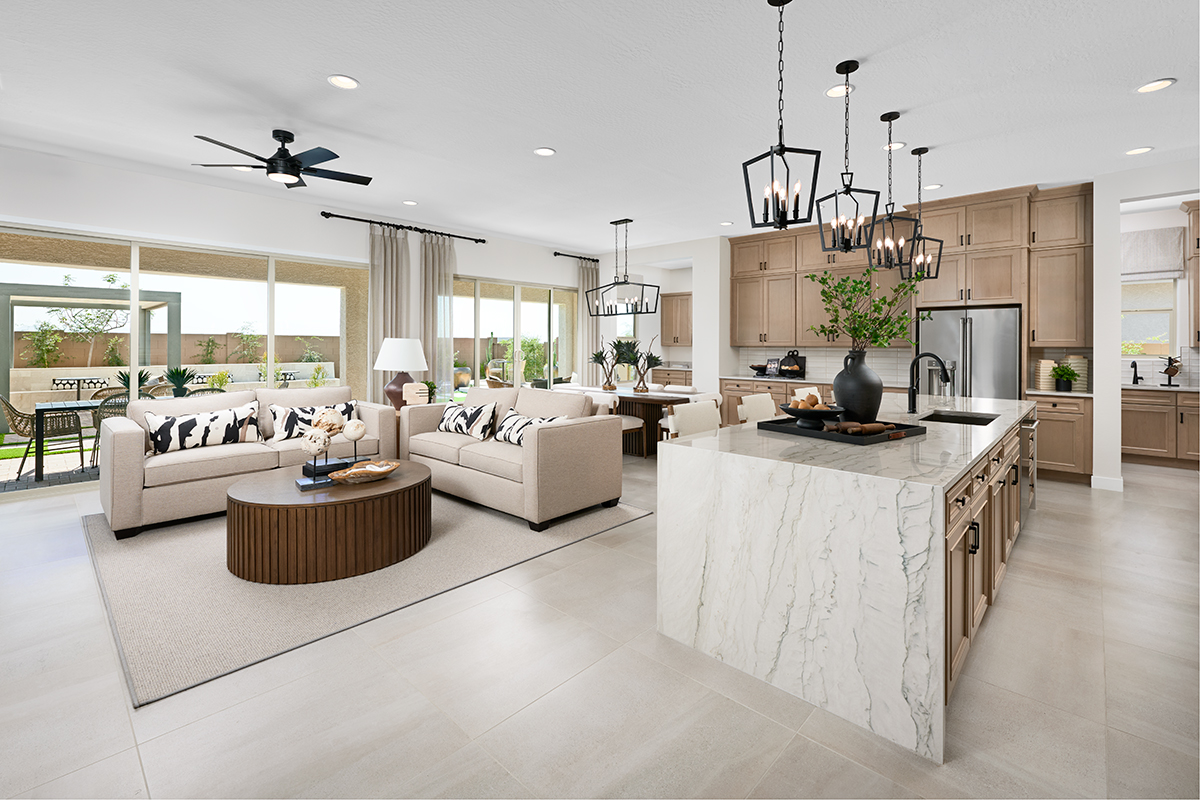
What is a great room? By definition, it’s “a large room in a residence usually serving several functions (as of a dining room, living room, and family room).” Most new homes have some kind of great room, but the size, layout, and functionality of this space can vary significantly between floor plans.
When house hunting, it can be easy to take the great room for granted—as long as a home has one and it can fit your couch and TV, that’s good enough, right?
Maybe not. In fact, we’d argue that the great room is one of the most important features in your abode, and there are a number of factors to consider around this space when searching for a new house. For many households, this room is the heart of the home. It’s where much of daily life happens, and its layout and features can have a significant impact on routines, special occasions, and everything in between.
In this article, we’ll guide you through:
- The advantages of having a great room, including easier entertaining, greater flexibility, and everyday comfort
- Things to consider before starting your house hunt, such as size needs, intended use, and nice-to-have features
- And how to evaluate great rooms based on layout, flow, storage, and design
First, what are the benefits of a great room?
The popularity of open-concept living isn’t accidental. Great rooms offer several practical advantages that appeal to many modern households.
Comfortable everyday living
One of the strongest benefits of a great room is convenience and comfort in daily life. Rather than separating the living room, dining room, and kitchen into distinct spaces, the great room creates a more cohesive, inviting environment. Parents can keep an eye on young children while preparing meals. Family members can have conversations even when they’re each doing different activities. Instead of feeling isolated in separate rooms, everyone remains connected within a shared living space.
Easier entertaining
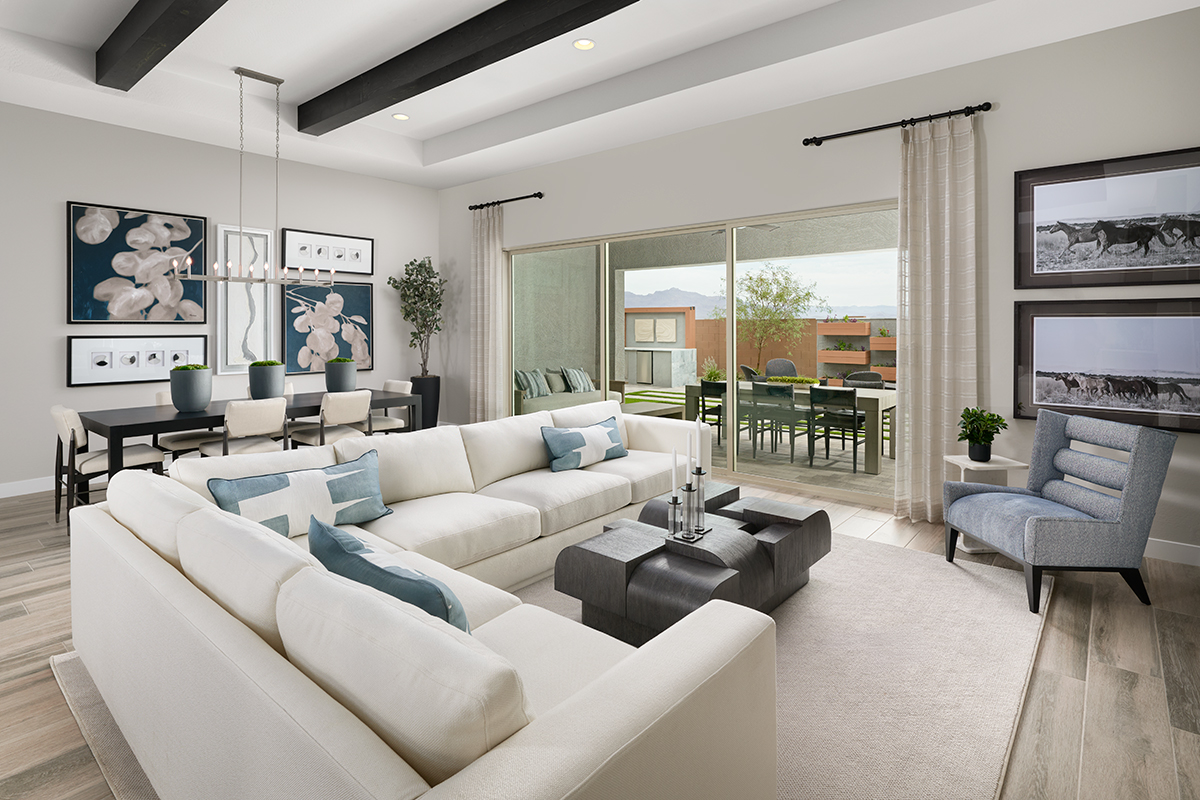
Great rooms also open up the possibilities of hosting. Rather than sequestering guests in a cramped and secluded living room, you can instead have larger gatherings in a more seamless, connected setting. Visitors can mingle naturally in the great room and adjacent dining areas, while the host (that’s you!) still feels included, even when preparing appetizers or drinks in the kitchen. With an inviting great room, you can enjoy more gatherings with fewer bottlenecks.
Plus, great rooms that open onto outdoor living spaces allow parties and other get-togethers to spread organically, offering even more room to comfortably move and socialize.
Flexibility for various uses
What is a great room if not a versatile space that can shift to your needs? A thoughtfully designed great room can be a valuable asset to your home’s adaptability—and we all know how quickly life moves and evolves.
This area can function as a family room, home theater, reading nook, game room, homework station, or party central, among many other uses. Imagine competitive game nights with friends, relaxing family movie marathons, casual weeknight dinners, lively holiday gatherings with out-of-town relatives, playtime among the kiddos, or reading a novel in a cozy armchair next to the fireplace.
Increased natural light
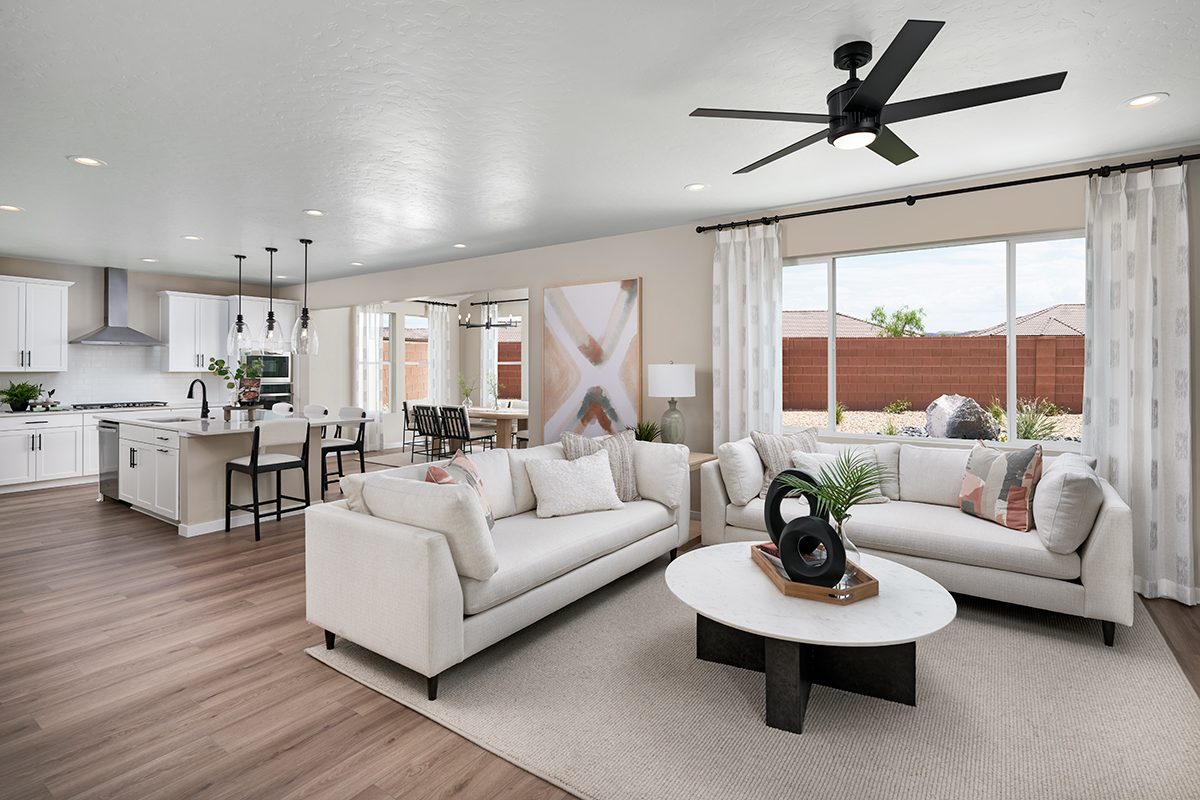


Many great rooms feature large windows and fewer interior walls. As a result, natural light can travel freely throughout the main living area. This design choice often makes a home feel more open, inviting, and spacious, as well as reduces the need for artificial lighting during the day, which could even contribute to better energy efficiency in the home.
A more spacious feel
Another reason buyers are frequently drawn to great rooms is their ability to make a home feel larger. Removing walls between living areas creates longer sightlines and a greater sense of openness. Even if the home’s square footage remains unchanged, the uninterrupted layout often gives the impression of a more expansive living space.
This doesn’t necessarily mean that every great room needs to be enormous. In many cases, thoughtful design and efficient use of space can create a roomy feel without dramatically increasing the home’s footprint.
How will you use your great room?
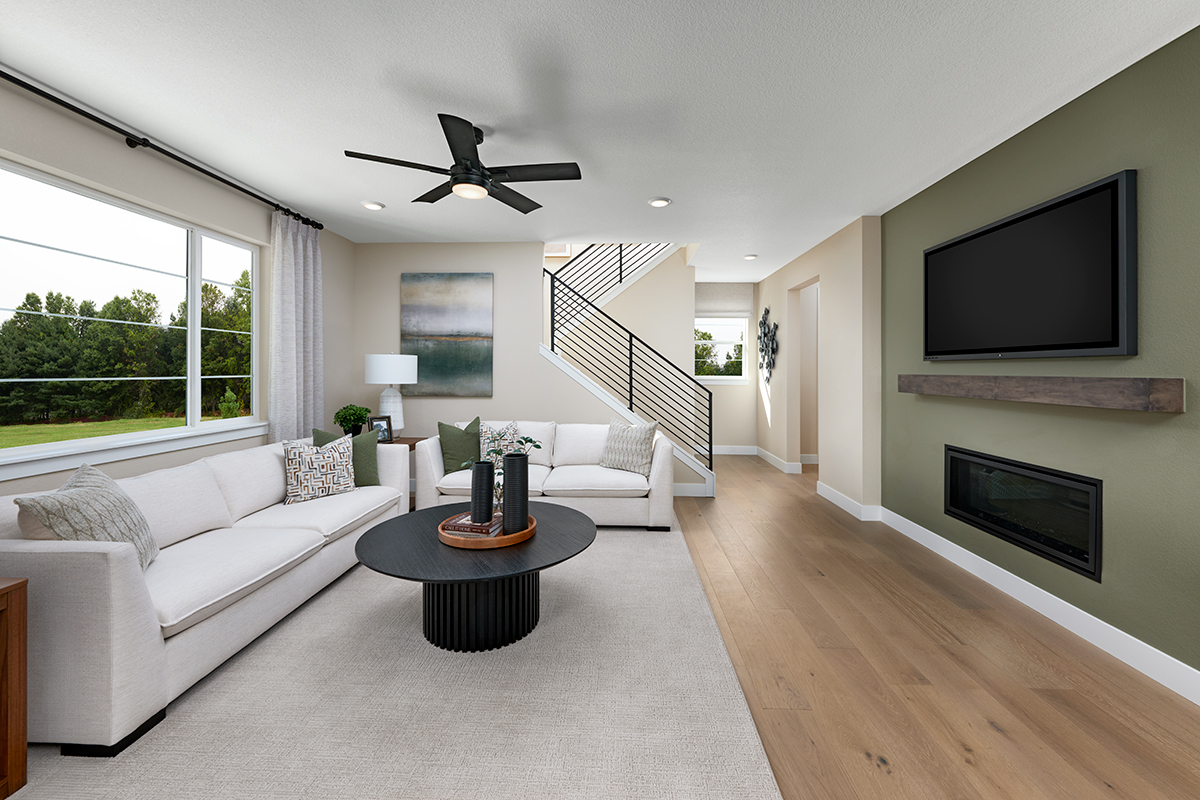
Before you begin touring homes and seeing great rooms in person, you should first ask yourself a few questions about what you and your family will need out of this space. Every household has different priorities, and understanding your needs in advance can help narrow down your search.
Some questions to consider include:
- How big is your household? Does it include kids who need room to play, teens who frequently invite friends over, older relatives who require easily accessible seating, or pets with large beds?
- How much visibility do you want between the primary living areas? Do you need to be able to keep an eye on the children from the kitchen?
- How often will you be hosting? When you entertain guests, do you prefer to keep the gathering contained to one space, or would you want people to move freely between rooms?
- What kind of furniture do you plan to include in your great room? Just a simple couch and coffee table, or a more elaborate seating setup that includes recliners, love seats, and other pieces?
- How important is TV visibility in the great room? Or will your great room even include a TV?
- How much storage do you need in this space?
- What about other features? Will you want a fireplace, a ceiling fan, or other potential additions in your great room?
What should you look for in a great room?
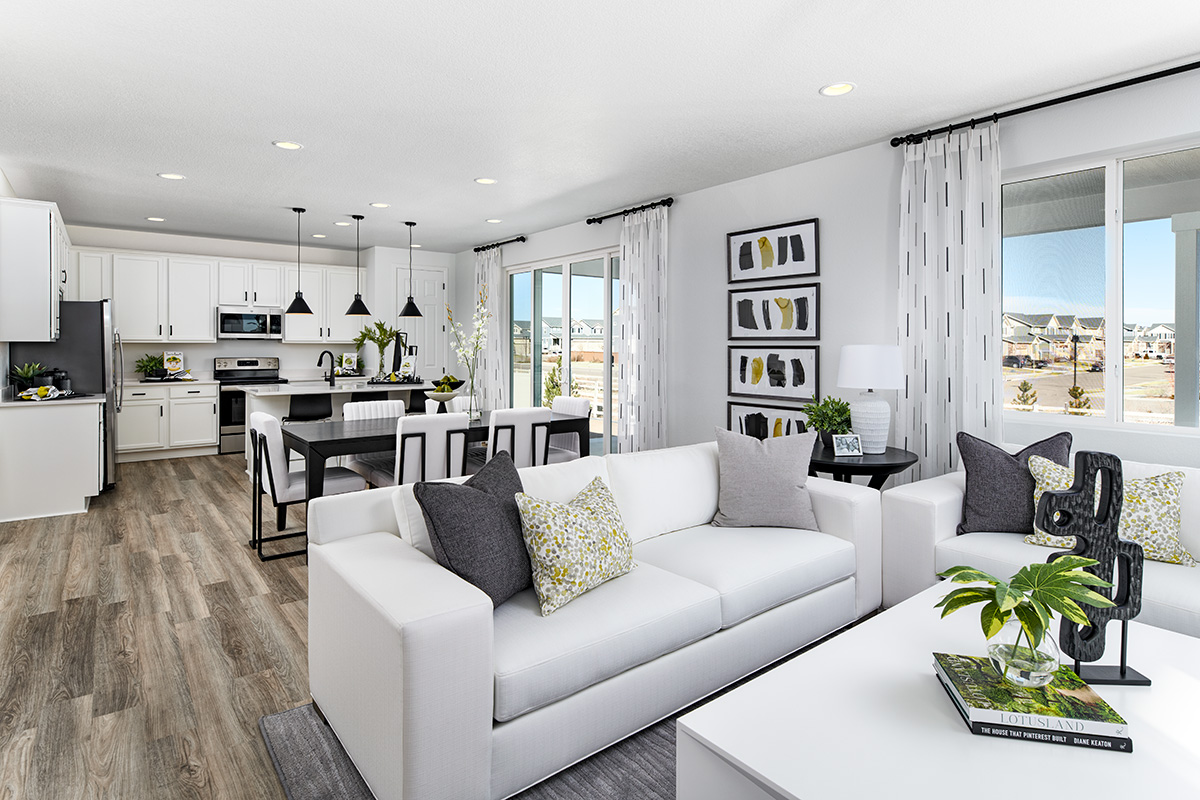
Once you’ve established your priorities, it’s time to evaluate specific characteristics while house hunting. Here are some factors to keep in mind as you tour:
Layout
The layout of a great room can determine how comfortable and functional the space feels on a daily basis. One of the first things to evaluate is whether your furniture can fit comfortably within the room. As you tour properties, bring a tape measure along to get an accurate idea of the space you’re working with. Consider not only current furniture but future purchases as well, and be sure to leave room for side tables, walkways, and extendable seating (like recliners).
You may also want to keep in mind how you’d like to arrange your furniture. Will you want all of the seating to face in the same direction, toward a centerpiece such as a television or fireplace? Or would you prefer to have seating that curves around in a semi-circle, allowing for more natural conversation without closing in the space completely?
Additionally, think about how the layout of your great room might accommodate your design plans. Is there room to add that area rug you’ve had your eye on? Do you see enough wall space to fit your bookshelves or the artwork you’d like to hang? The size and configuration of a great room can significantly impact what you’re able to do with the space, both functionally and aesthetically.
Flow
You’ll also want to consider the room’s flow, or the ease of movement throughout the living areas. Pay attention to pathways between high-use spaces—can people reasonably get from the great room to the kitchen without having to weave around furniture, squeeze between seating, or disrupt conversations? Look for homes in which household traffic naturally flows around gathering spaces rather than right through them. For instance, you wouldn’t want family members having to pass in front of the television or guests needing to disrupt group conversations just to get to the bathroom.
Additionally, think about whether indoor-outdoor living is important for your future home. Would you like your great room to open directly to a covered or uncovered patio or deck? This, along with the addition of sliding-glass patio doors, could help create a more seamless flow between indoor and outdoor spaces and extend your usable space for relaxing, entertaining, and gathering.
Storage
Storage isn’t necessarily glamorous, but it’s a factor that can affect your great room’s long-term usability. As you shop around for your next home, see which great rooms offer any of the following:
- Built-in shelving. This feature can help organize books, decorative items, family photos, and entertainment equipment. It can even serve as a piece of décor itself, depending on what you display and how you organize it.
- Cabinets. Integrated cabinetry allows you to keep everyday essentials out of sight, but still within reach. With this storage feature, the great room can remain organized and clutter-free.
- Nearby closets. Rather than guests and kids draping their coats over chairs or dropping their bags on the couch, a nearby coat closet can keep the mess from infiltrating the living space. Storage closets can also be useful for keeping extra blankets, throw pillows, games, and other items close at hand.
This is also where furniture comes back into play. If a great room doesn’t have preexisting storage solutions like those mentioned above, make sure that it provides enough space to fit standalone bookshelves, entertainment centers, credenzas, or coffee tables with built-in storage.
Design details
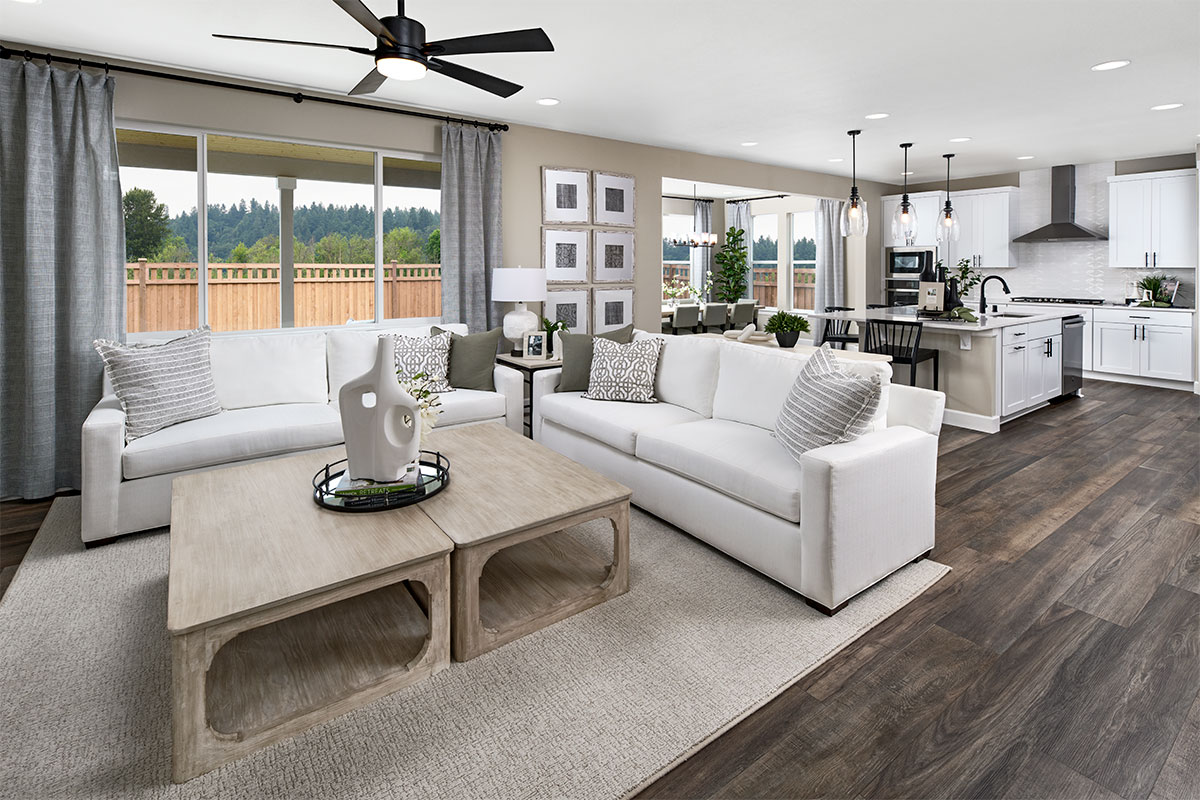
And now for the final touch—certain design elements can considerably influence how a great room looks, feels, and functions. Fireplaces, for instance, are found in many great rooms (particularly in colder climates) and can serve as a visual focal point, as well as provide a cozy, warm ambiance for the space. There are various types and styles of fireplaces, so think carefully about what kind you may want.
Lighting deserves careful attention as well, and you’ll want to consider both artificial and natural light in the space. Ideally, your great room should offer some combination of natural light, overhead fixtures, and decorative or task lighting in order to accommodate different times of day and various activities. Bright ceiling lights may be suitable for a nighttime holiday party, while you may prefer table lamps or wall scones for a relaxed evening reading or watching movies.
For natural lighting, take note of the windows in a great room. Think about their size, number, and placement, as each of those factors can significantly affect a great room’s atmosphere and appearance. Large windows are great for providing ample natural light, but you’ll have to consider blinds, curtains, or other coverings if privacy is a concern for your household. Windows on multiple walls can potentially make the space feel larger and more open. However, you’ll also want to consider the direction that your windows are facing, which determines the amount of sunlight the room receives throughout the day.
While you’re looking at windows, also pay attention to the room’s ceilings. Ceiling height and style can dramatically impact how a room looks or feels. For example, vaulted ceilings, tray ceilings, and other varieties can introduce visual interest while enhancing the perception of openness.
Conclusion
When shopping for a new home, it’s important to look beyond square footage and surface-level design trends. Instead, we encourage you to look at each room (particularly high-use, centrally located areas such as the great room) carefully, considering how the layout, flow, functionality, and design will work for your needs. The best homes are typically planned around how people actually live. They’re thoughtfully designed to support daily routines, lively gatherings, relaxing evenings spent with family, and every other big and small moment.
So when we ask, “what is a great room?,” we’re really asking—what is a great room to you? What do you need out of that space? How can your future home’s living areas work for your household and lifestyle?
As you tour homes and compare floor plans, it can be helpful to take a moment to imagine how you’ll actually use the space. Picture where your furniture will go, how guests will move through the room, and how family members will interact throughout the day. By considering the space in the context of your own life, you’ll be better prepared to choose a home that feels both functional and comfortable for years to come.
Get a room-by-room floor plan lifestyle guide!
Need help evaluating floor plans to discover which one is right for you? Get a floor plan worksheet, model home touring tips and more in How to Choose the Right Floor Plan for Your Lifestyle!