Research consistently shows that spending time outdoors boosts mood, sharpens focus, and reduces stress. Yet most homeowners say they wish they spent more time outside and many are planning home upgrades to help make that happen. At the same time, children are logging record hours on screens, with only minutes each day devoted to unstructured outdoor play.
This disconnect between aspiration and reality reveals a key truth: simply wanting to spend more time outside isn’t enough. The home itself must encourage it. Thoughtfully designed outdoor living spaces do exactly that—not as an afterthought, but as a vital extension of how a home is meant to be lived in.
Why outdoor living matters
Modern life unfolds primarily indoors. We work at desks, unwind on screens, and often connect with others through devices rather than in person. While this shift has delivered convenience and constant connectivity, it has also steadily reduced the time we spend outdoors.
That decline matters. Even brief encounters with nature—sunlight warming your skin, a gentle breeze, the ambient sounds of a neighborhood—can meaningfully support well-being. Studies show that time in natural settings helps lower stress, improve focus, and foster a sense of calm.
For children, the impact is especially powerful. Outdoor play fuels imagination, encourages physical movement, and builds problem-solving skills in ways structured indoor environments rarely match. It nurtures independence and resilience, giving kids the freedom to explore, experiment, and create on their own terms.
Adults benefit in different but equally meaningful ways. A thoughtfully designed outdoor space offers room to pause, reflect, and reconnect with yourself and with others. Reading on a shaded patio, sharing meals under the open sky, or gathering around a fire in the evening all contribute to a more balanced, restorative daily rhythm.
Outdoor living also strengthens communities. A welcoming front porch invites spontaneous conversation. A well-designed backyard becomes a natural setting for gatherings and celebrations. These shared moments build familiarity and trust, transforming collections of houses into true neighborhoods.
Designed to get you outside
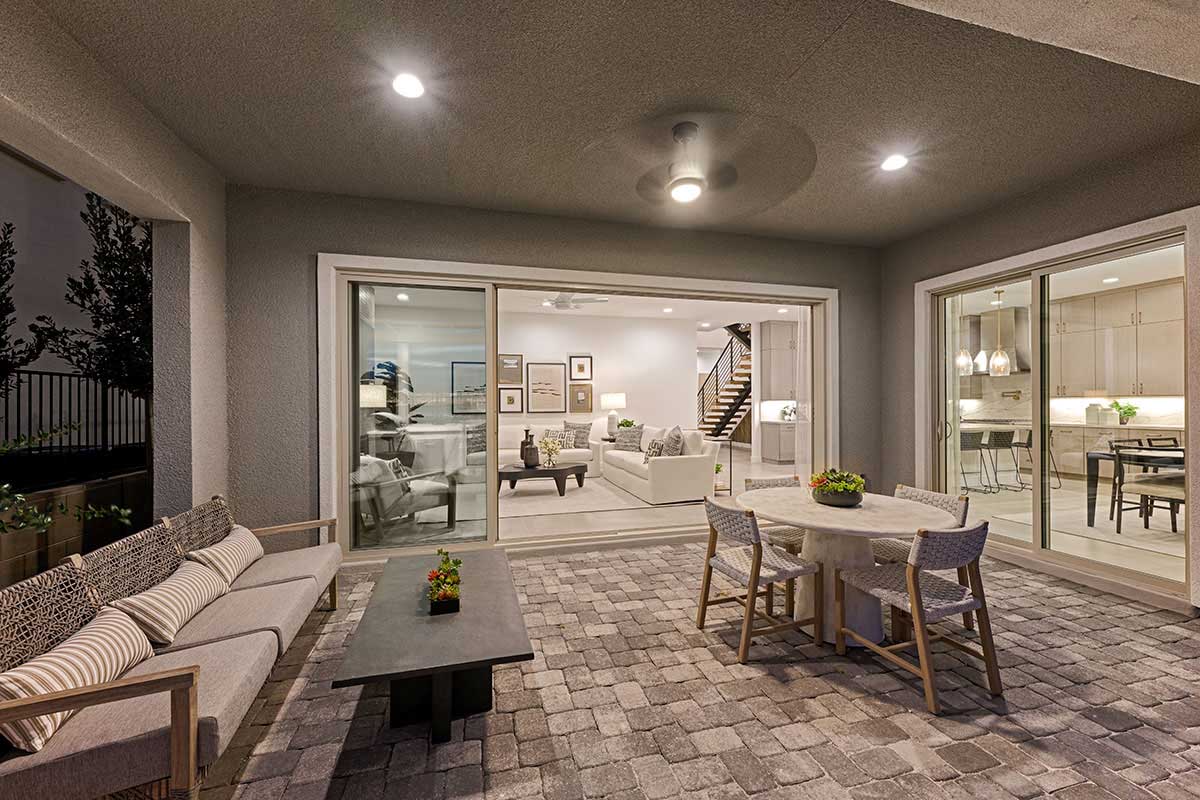
The difference between a home that includes outdoor space and one that truly encourages outdoor living lies in design. Just having a backyard isn’t enough; you need to create outdoor living spaces that feel as intentional and inviting as any room inside.
Homes designed with this philosophy integrate indoor and outdoor areas seamlessly. Instead of treating the outside as separate, they create a natural flow between environments. Multiple access points, sightlines that extend beyond walls, and layouts that prioritize accessibility all contribute to making outdoor time feel effortless.
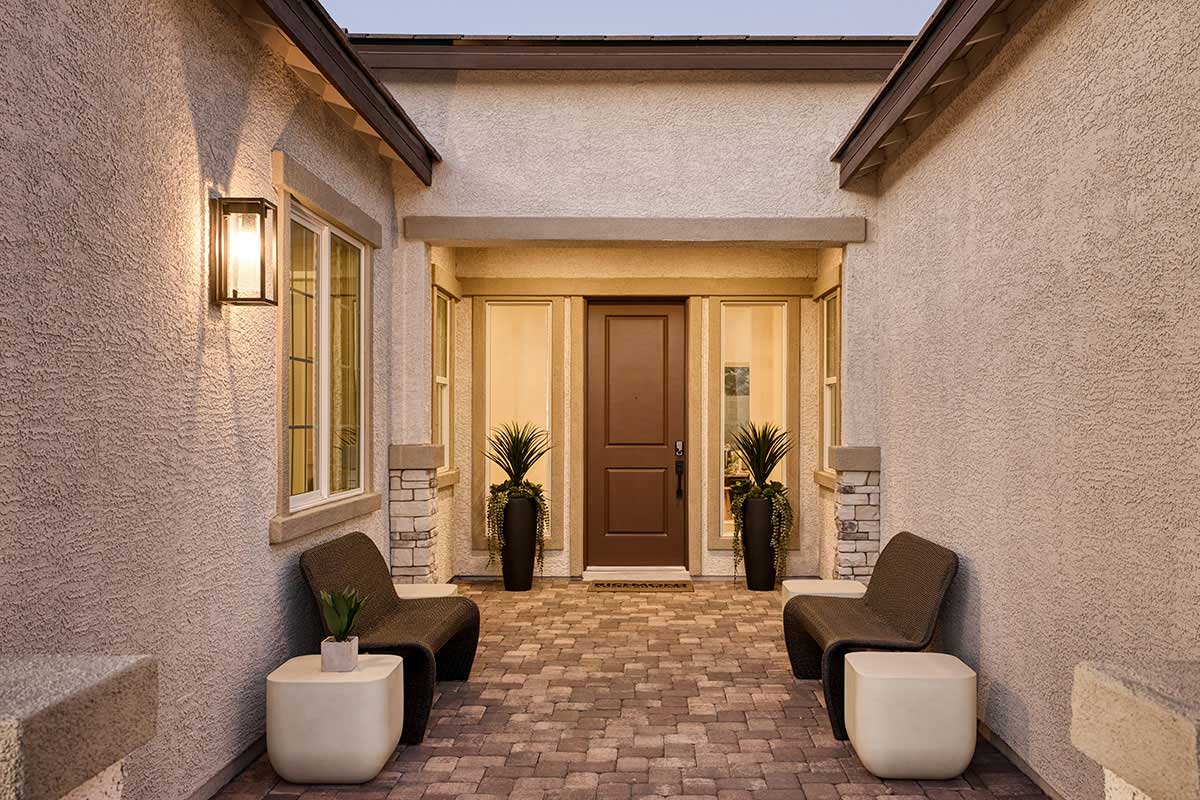
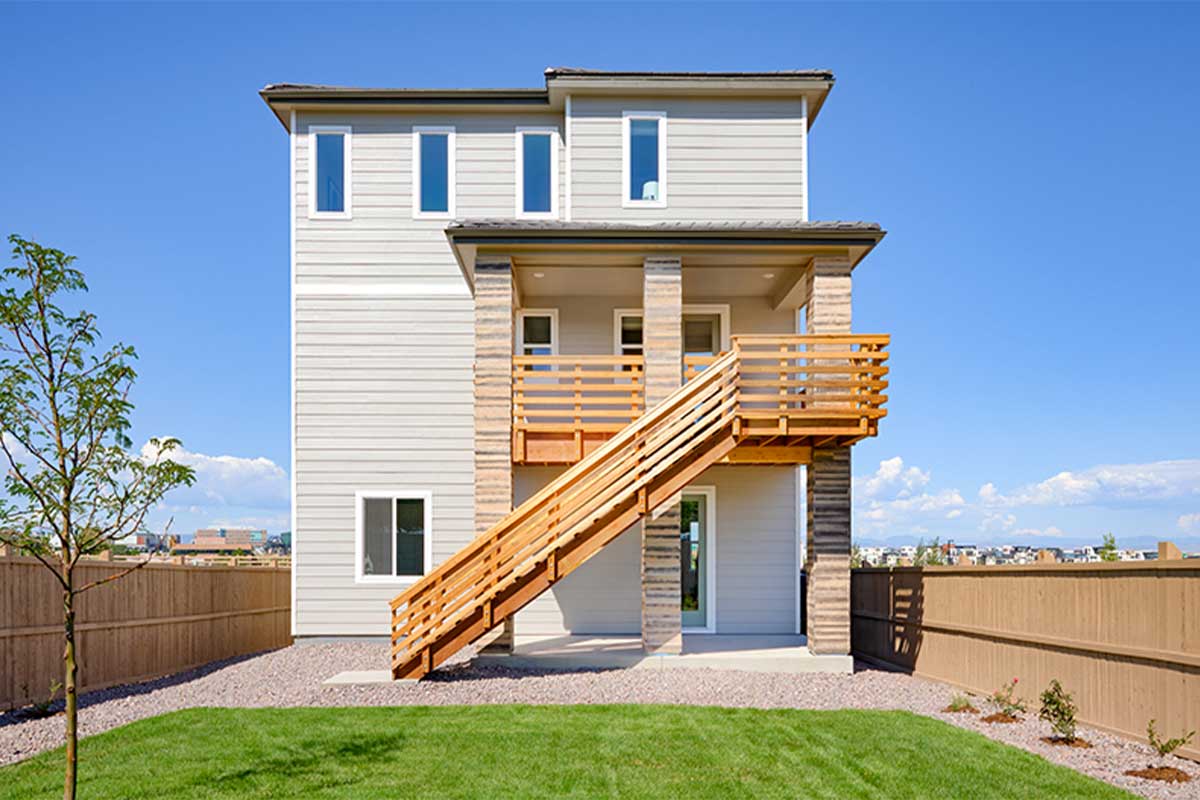
Front porches, courtyards, patios, and balconies aren’t simply add-ons. They’re part of the overall living experience. They provide options for different times of day, different moods, and different types of interaction. A front porch might be perfect for morning greetings, while a private backyard patio offers a retreat at the end of a long day.
When outdoor living spaces are designed this way, they stop being occasional-use areas and start becoming part of everyday life.
Features that elevate outdoor living spaces

Creating outdoor living spaces that people actually use requires features that add comfort, flexibility, and functionality—elements that make spending time outside feel easy and enjoyable.
Multi-slide doors
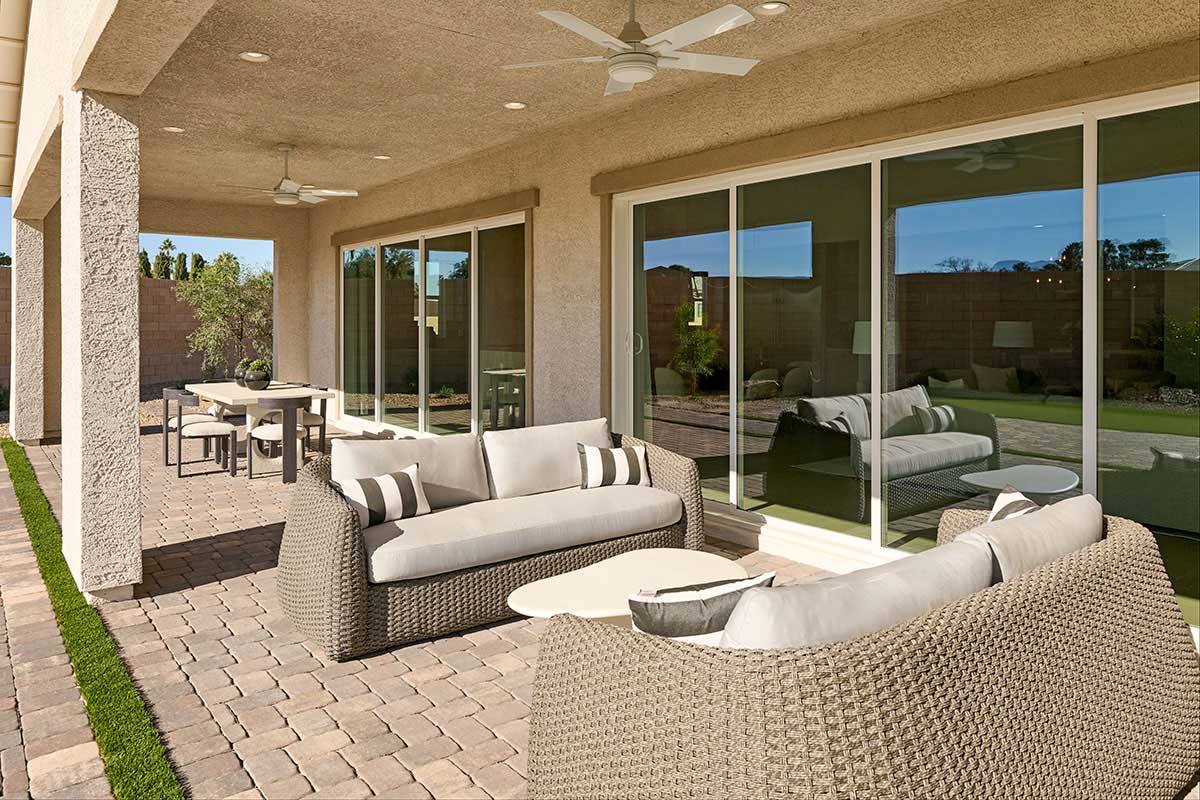
One of the most effective ways to connect indoor and outdoor environments is through expansive multi-slide doors. These large glass panels open wide, often stacking neatly to the side, transforming walls into open thresholds. The result is a seamless transition where indoor and outdoor living spaces blend into one continuous area.
This feature does more than enhance aesthetics. It changes behavior. When the barrier between inside and outside disappears, stepping outdoors becomes instinctive. It invites natural light into the home while extending living areas outward, making gatherings more dynamic and everyday moments more enjoyable.
Covered patios and decks
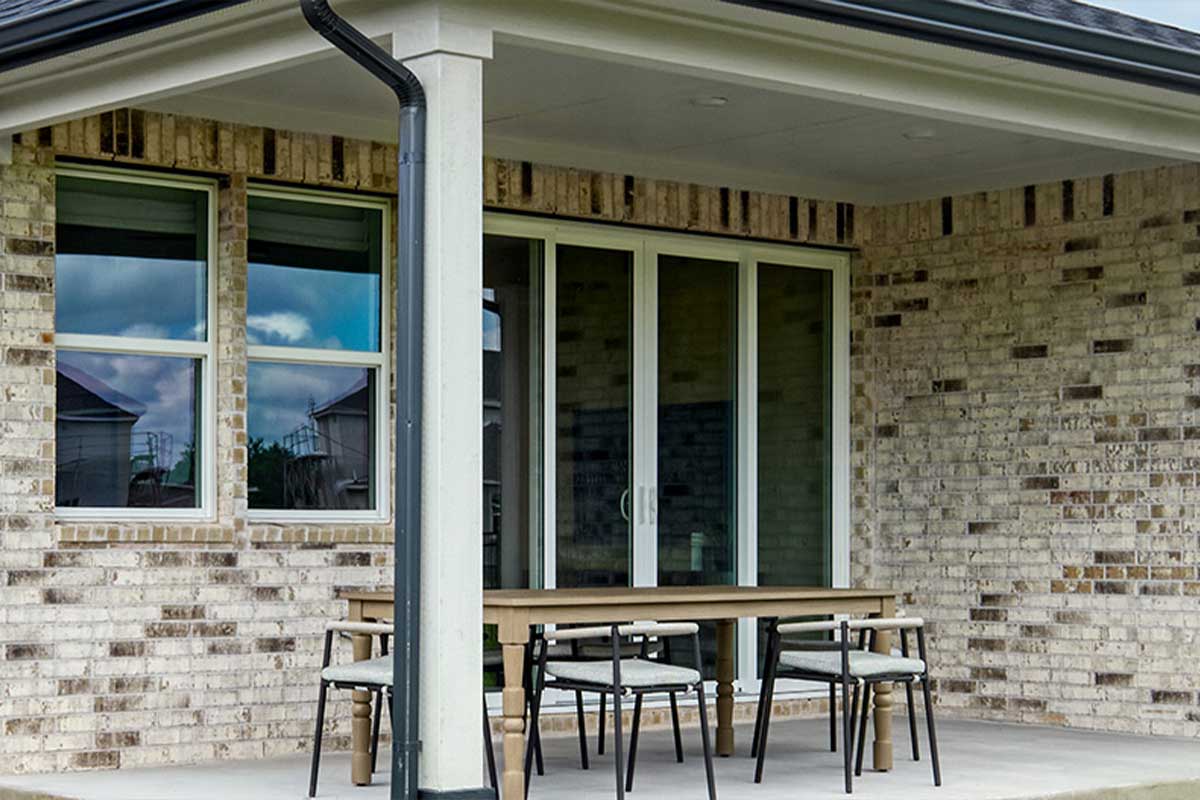
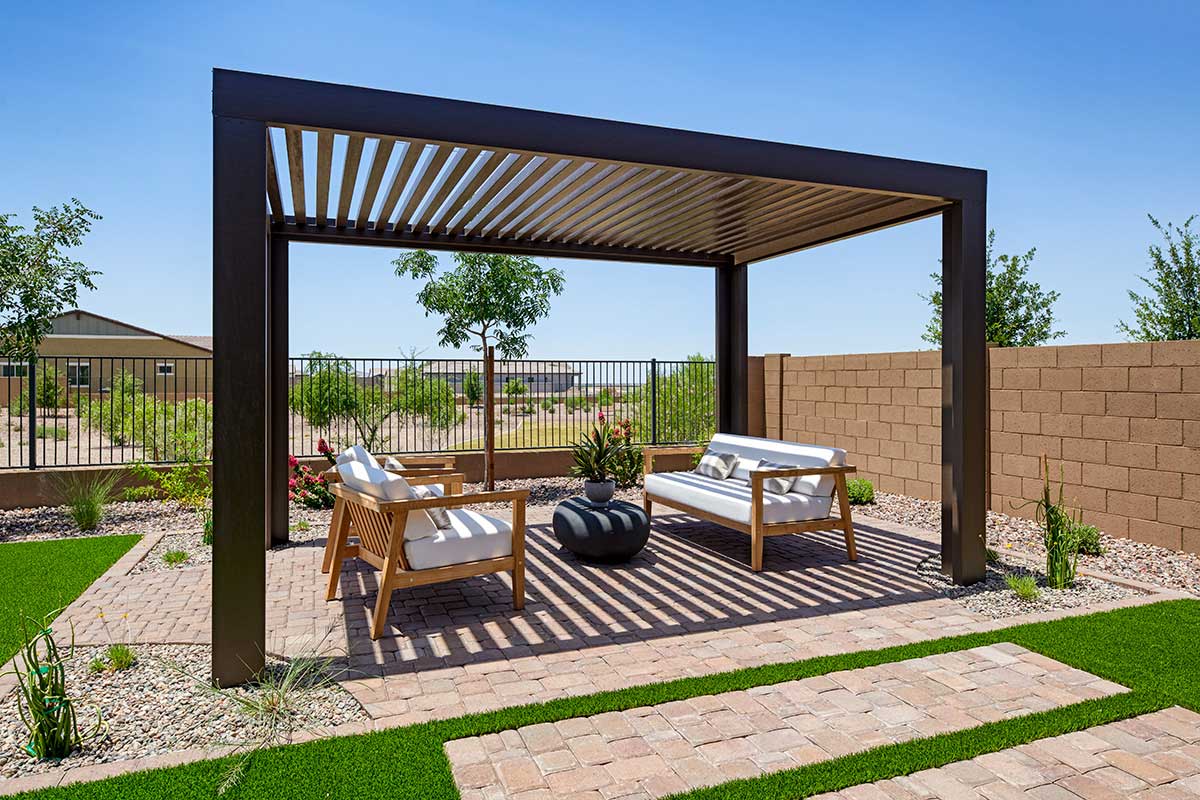
A covered patio turns an outdoor area into a true extension of the home. Protection from sun and light rain makes the space usable in a wider range of conditions, increasing its practicality and making it less weather dependent. The space becomes reliable; a place where meals, conversations, and relaxation can happen regularly.
Covered outdoor living spaces also support better furniture choices and longer-term use. With shelter overhead, homeowners can invest in comfortable seating, dining setups, and décor that make the area feel complete rather than temporary.
Outdoor fireplaces and fire pits
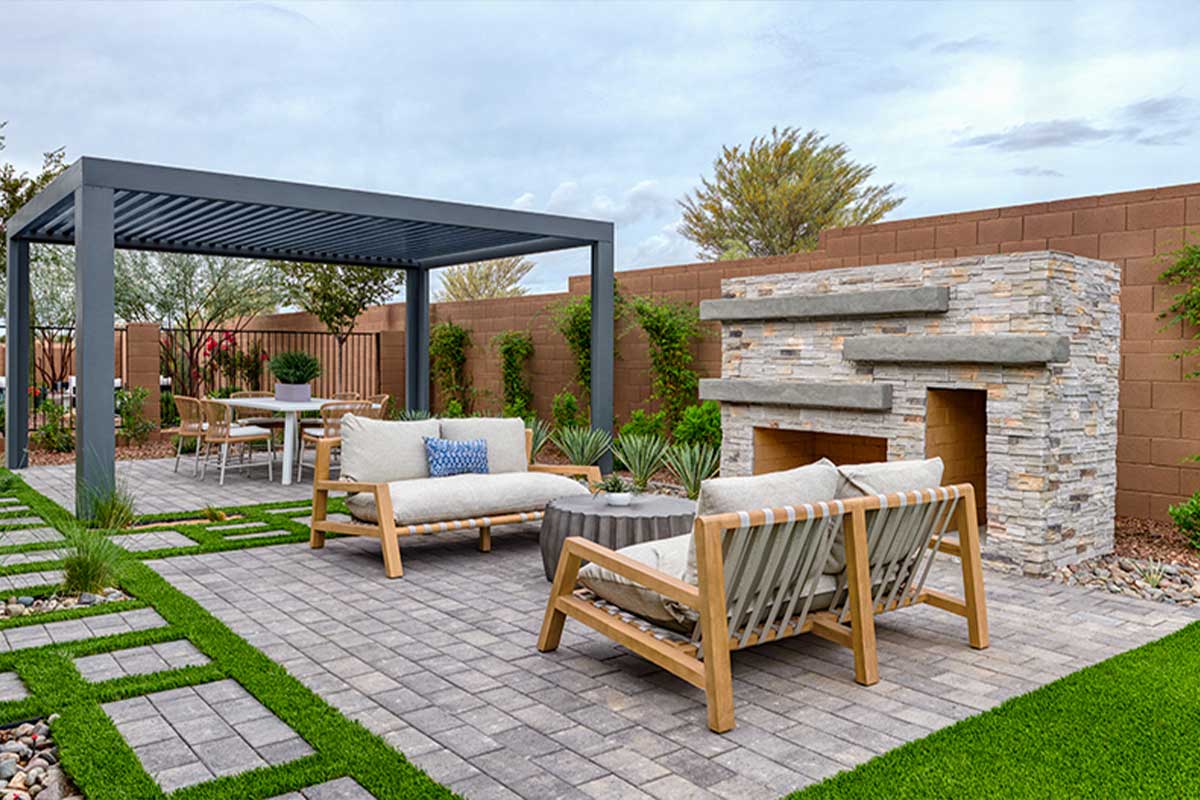
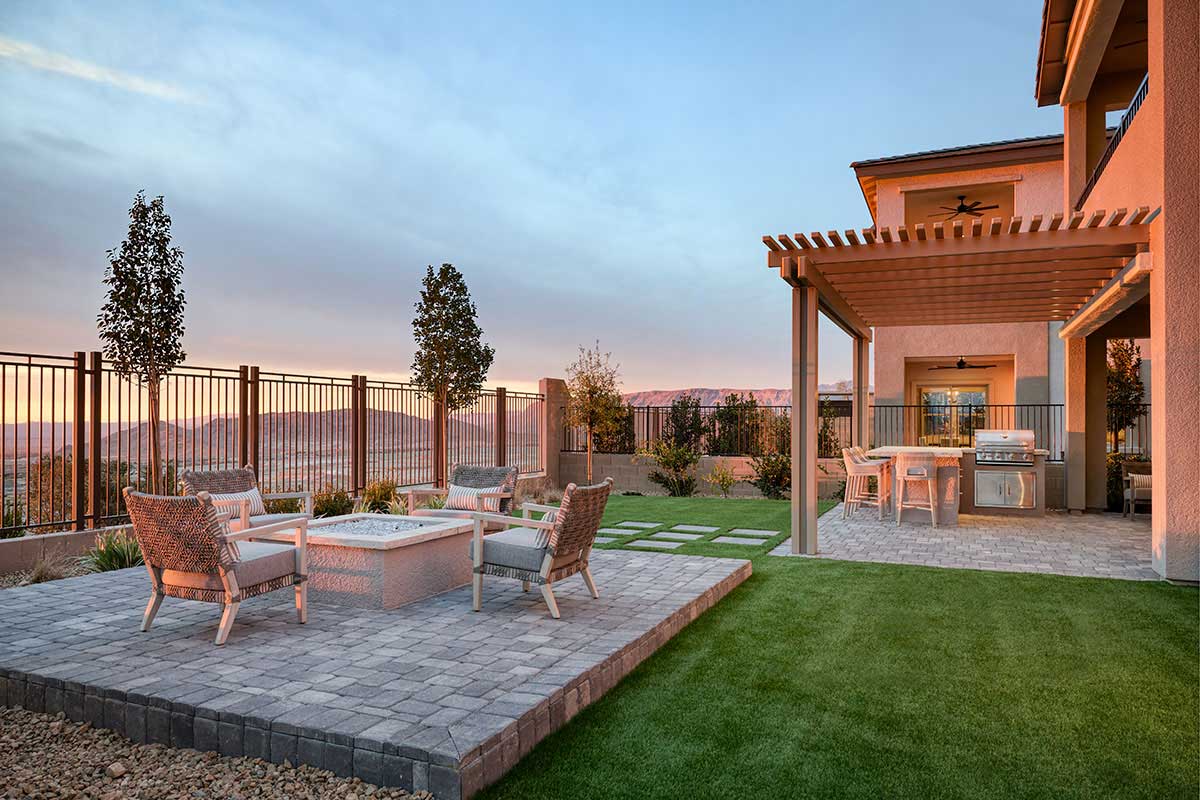
Fire has a unique ability to draw people together. Whether it’s a built-in fireplace or a simple fire pit, this feature creates a focal point that naturally encourages gathering. It extends the usability of outdoor living spaces into cooler months and adds a sense of warmth, both literal and social.
Evenings around a fire tend to unfold differently than those spent indoors. Conversations linger. Distractions fade. The pace slows. It’s a small addition with a significant impact on how a space is used and experienced.
Outdoor meal prep and dining areas
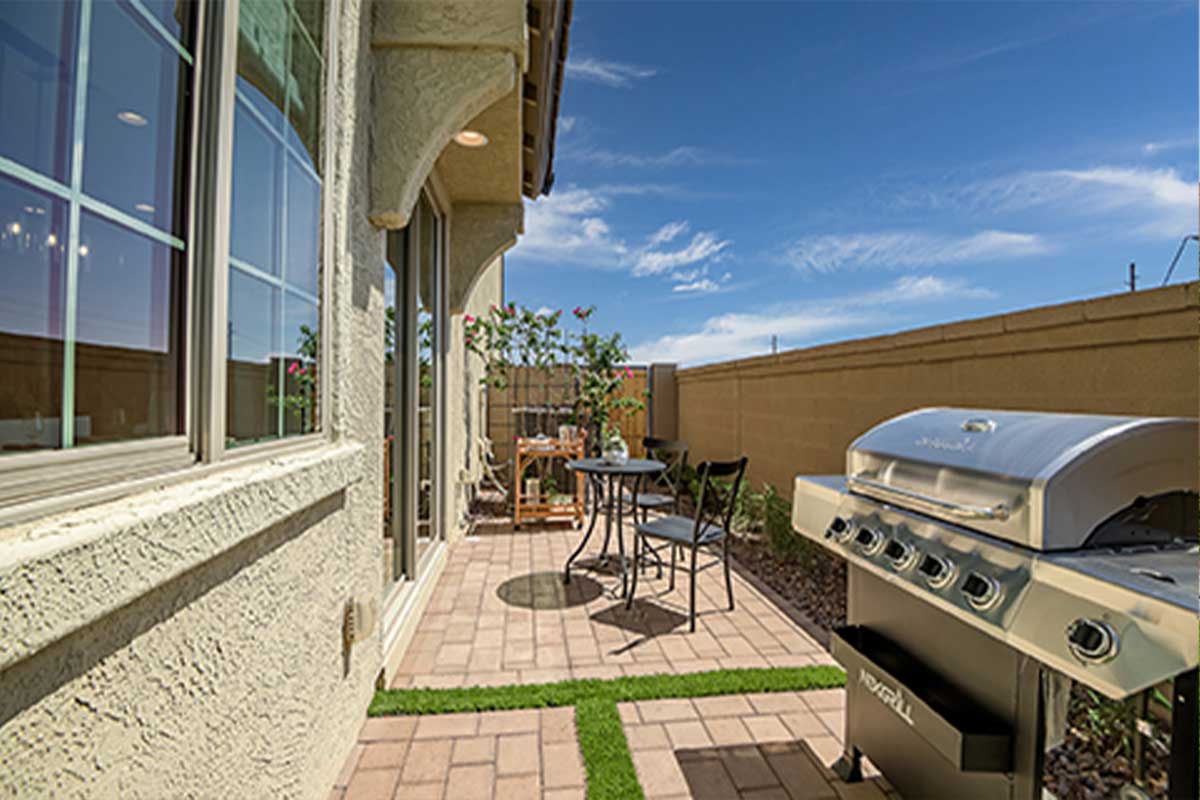
With built-in grills, prep areas, and storage, having an outdoor meal prop area eliminates the need to move back and forth between inside and outside your home. Everything happens in one place, allowing the person preparing the meal to remain part of the gathering.
Pairing this with a thoughtfully designed dining or conversation area enhances the experience further. Comfortable seating arranged to encourage interaction, not just passive entertainment, turns outdoor living spaces into destinations rather than secondary options.
Lighting and ceiling fans
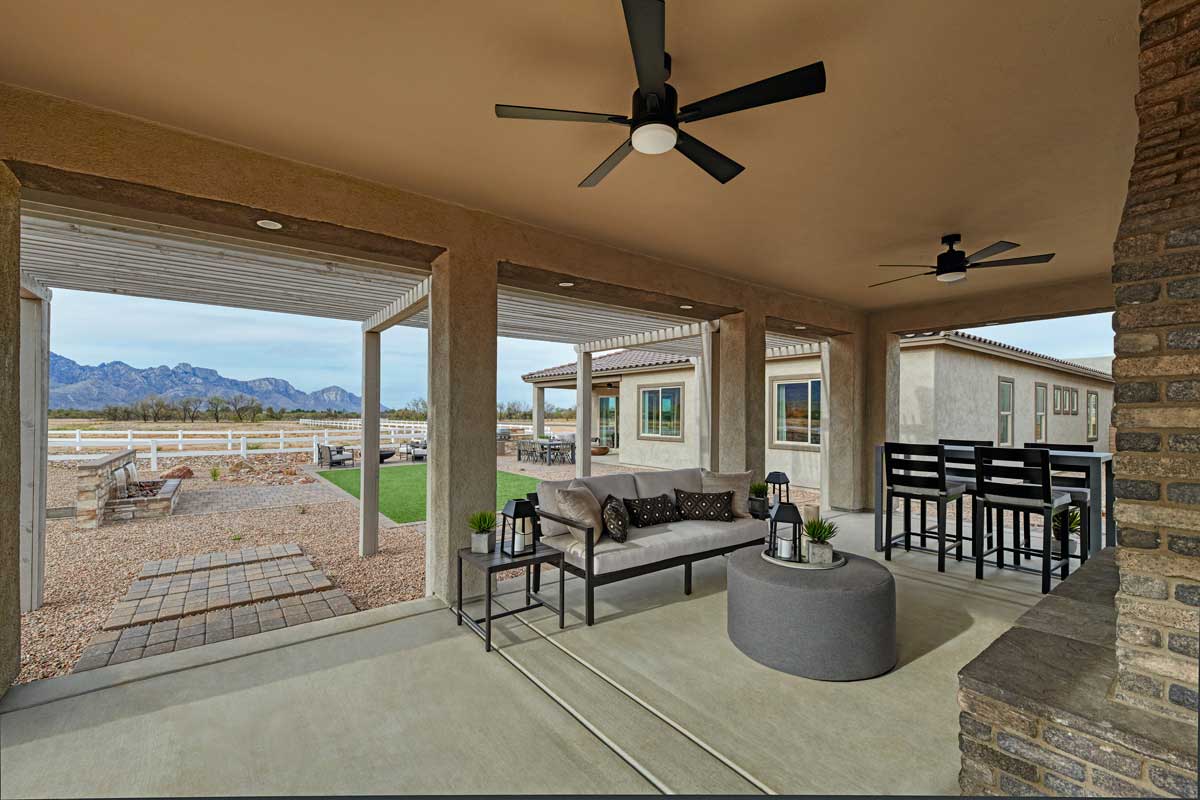
Practical details often determine whether a space is used consistently. Outdoor lighting extends usability into the evening, creating ambiance while improving safety. Well-placed lighting can transform a patio into a welcoming environment after sunset rather than a space that fades into darkness.
Ceiling fans add another layer of comfort, particularly in warmer climates. By circulating air and reducing heat, they make outdoor living spaces more pleasant during summer months. They also help deter insects, removing a common barrier to spending time outside.
Private balconies and personal retreats
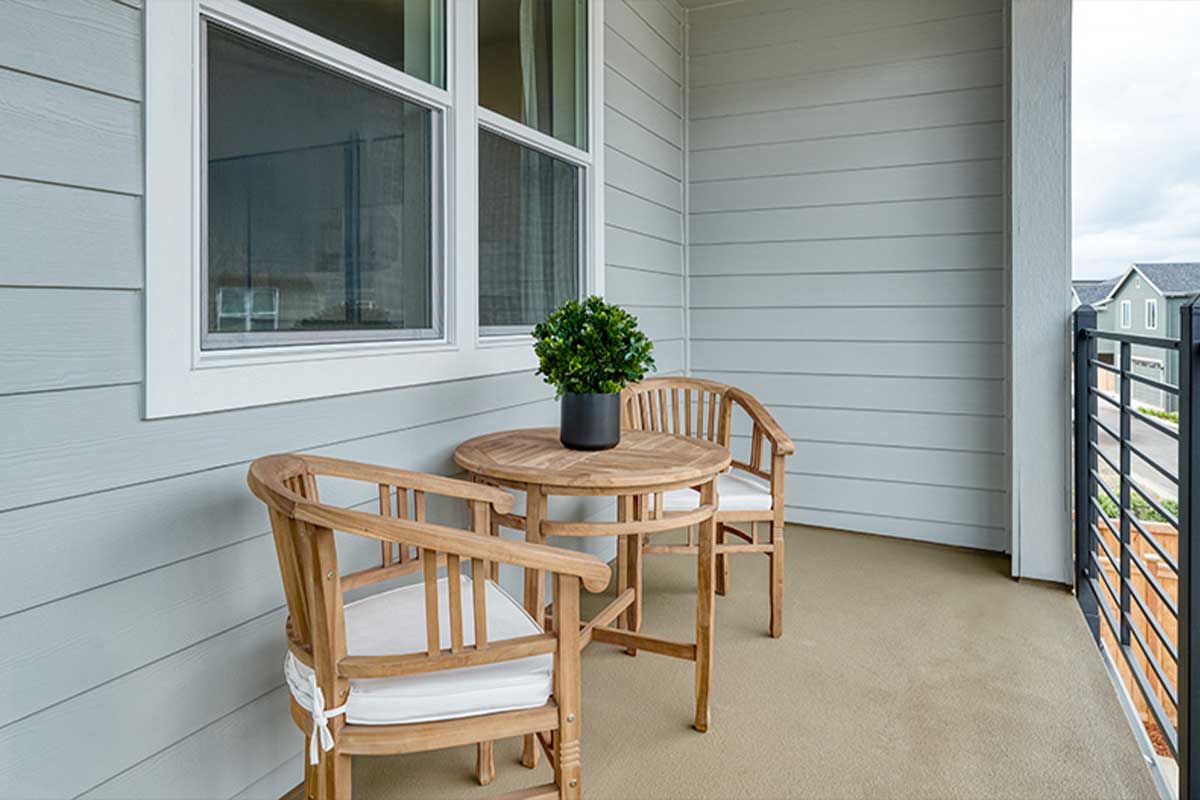
Not all outdoor living spaces need to be social. Private balconies connected to primary suites offer a quieter, more personal experience. These spaces provide a place to start the day with fresh air or end it with a moment of calm.
Having direct access to an outdoor retreat from a bedroom adds a subtle but meaningful layer of luxury. It creates an opportunity for solitude without leaving the comfort of home. something many people don’t realize they need until they have it.
Building a lifestyle around outdoor living spaces
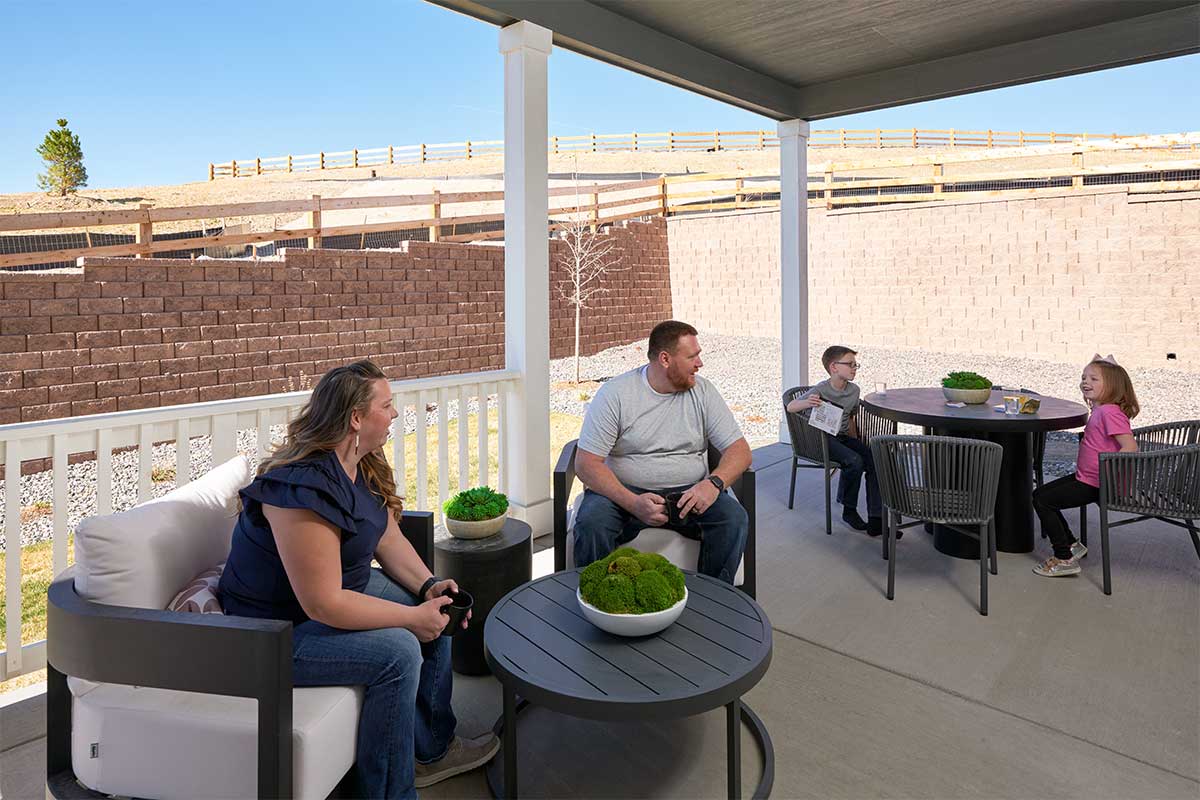
When people say they want to spend more time outside, what they’re really expressing is a desire for a different kind of daily life—one that feels less rushed, more connected, and more balanced. The challenge isn’t motivation, it’s environment.
Outdoor living spaces bridge that gap. They remove friction, making it easier to step outside without planning or effort. Instead of being a destination, the outdoors becomes part of the routine, a place where meals are shared, conversations happen, and moments unfold naturally.

This shift doesn’t require dramatic changes. It starts with design choices that prioritize accessibility, comfort, and versatility. A well-placed patio, a welcoming porch, or a thoughtfully designed backyard can redefine how a home is experienced.
Over time, these spaces influence habits. Morning coffee moves outside. Evening relaxation shifts from the couch to the patio. Gatherings become more frequent and less formal. Even small interactions, like greeting a neighbor from the front porch, add up to a stronger sense of connection.
A more connected way to live
Outdoor living spaces influence more than aesthetics and property value. They enhance how a home supports the people who live in it. They create opportunities for healthier routines, deeper relationships, and a greater sense of well-being.
In a world where so much happens indoors, these spaces offer something increasingly rare: a chance to step outside without leaving home. They remind us that comfort doesn’t have to be confined within walls and that some of the best moments happen under open skies.
Designing a home with outdoor living in mind isn’t about adding more—it’s about making better use of what’s already there. It’s about creating spaces that invite you out, draw people together, and make everyday life feel just a little more expansive.
Because ultimately, the goal is to build a life that naturally extends beyond the front door, where fresh air, sunlight, and connection are part of the everyday experience.
If you’d like to make outdoor living spaces an item on your next house hunt’s checklist, be sure to get in touch with our friendly sales consultants. They can help you find the