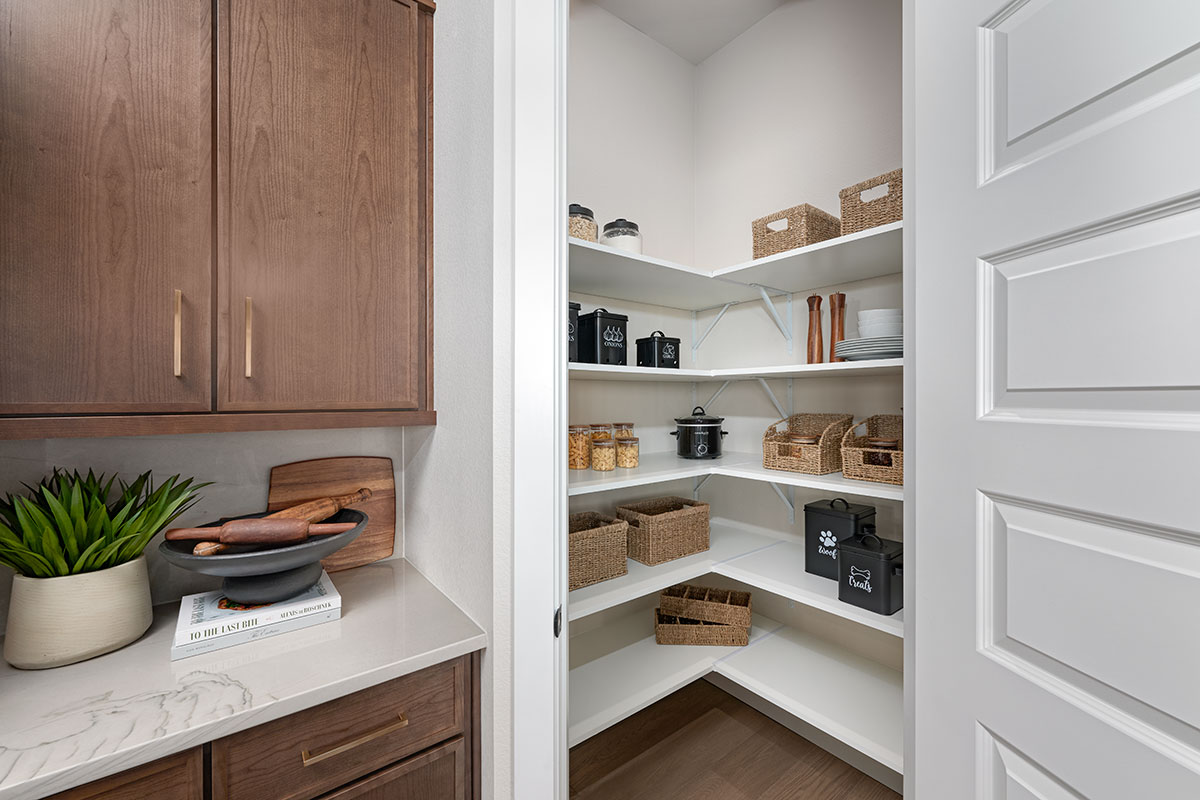
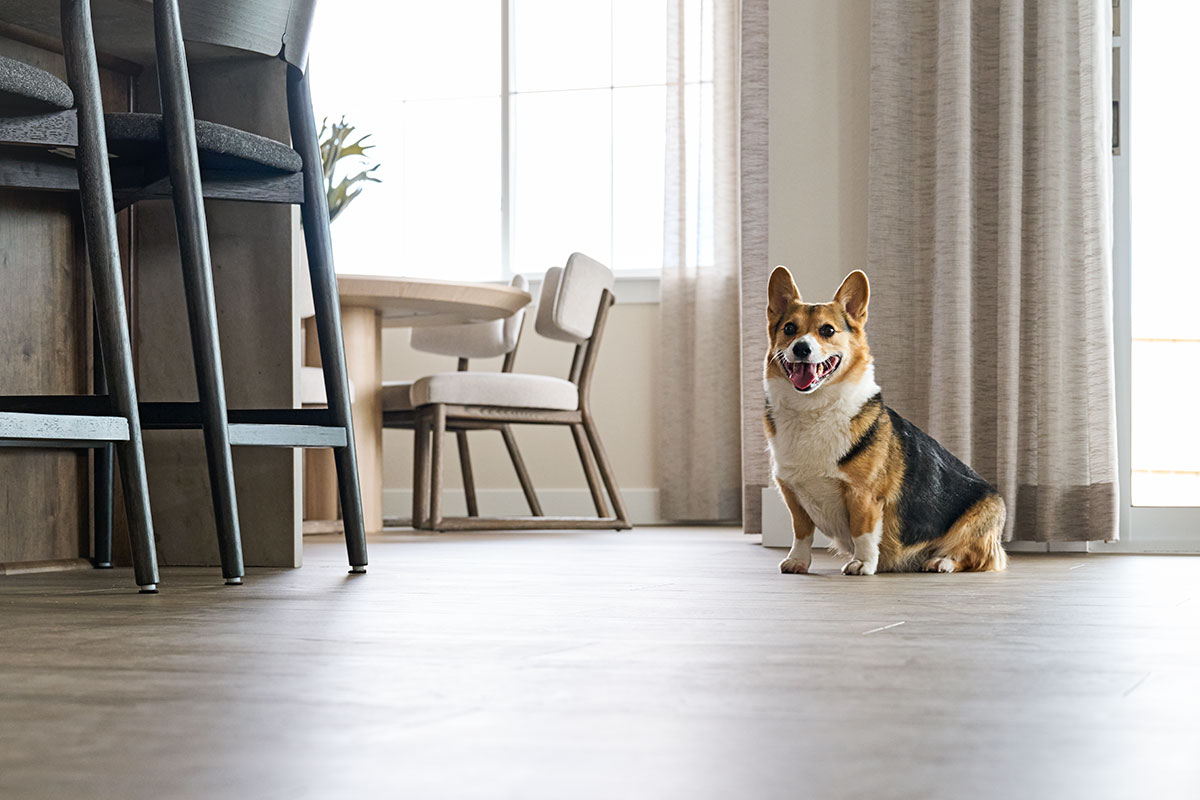
Finding your dream home is about more than square footage, finishes, or even location—it’s about making sure the space feels right for everyone in your household, including your pets. Your new home and neighborhood should be comfortable, practical, and enjoyable for both your human and canine family members. Choosing a dog friendly community can make a meaningful difference in your daily routines and your four-legged friend’s quality of life, from morning walks to weekend outings.
To help you in your search, we’ve rounded up a few key questions for you to ask as you identify and visit potential neighborhoods. Whether you have a playful puppy, a senior dog who prefers a slower pace, or an energetic breed that needs plenty of exercise, these questions can help you find the right environment for a happy, balanced lifestyle.
Are there other pups around?

When scoping out a potential neighborhood for your new home, see if you notice the presence of dogs nearby. The most obvious sign is actually seeing pooches out and about, whether in fenced yards or on walks, but you may also want to keep an eye out for more subtle signs: pet toys, doggy doors, water bowls in front of houses or community buildings, and even treat jars inside local businesses. These details suggest that the neighborhood is safe and welcoming to pet owners, as well as indicate socialization opportunities for your canine friends!
On the other hand, if you rarely see dogs or signs of pet activity, it may be worth asking a few questions. While this doesn’t necessarily mean the area won’t work for you, it’s useful to understand the bigger picture before making a decision. Connecting with current residents, either during a visit or through local online groups, can provide some helpful insights. They might share firsthand experiences as pet owners and will have a better idea of how dog friendly the community feels.
Is it safe to walk?
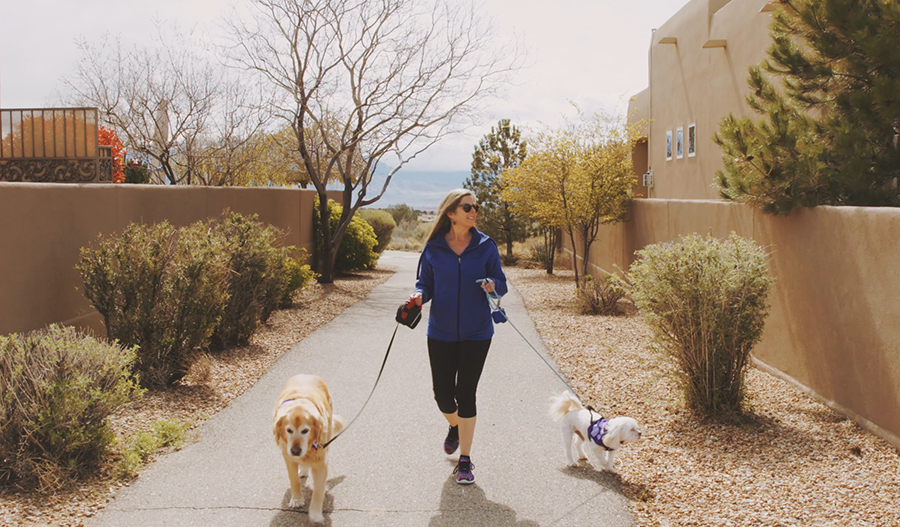
Daily walks are a key part of most dogs’ routines, so safety should be a top priority when evaluating a neighborhood. A walkable community can make life easier and more enjoyable for both you and your pet. Look for features such as sidewalks, well-maintained trails, and clearly marked crosswalks. Streets with slower traffic, good lighting, and visible signage can also contribute to a more positive walking experience. If possible, visit the area during different times of day to see how traffic patterns change and whether the environment still feels manageable.
Even small details can make a difference in your routine and your dog’s comfort. Shaded sidewalks or dirt trails can make it safer and easier to walk your dogs in high temps, while accessible waste bags and trash cans help keep the environment clean.
Are there pet-friendly establishments nearby?

Beyond your immediate neighborhood, nearby businesses can play an important role in creating a dog friendly lifestyle. Start by identifying key resources such as veterinary clinics, pet supply stores, and grooming services. Being close to these businesses can make routine care more manageable and convenient, particularly in unexpected or emergency situations.
In addition to essential services, you may also want to consider the proximity of dog friendly establishments. Many coffee shops, restaurants, breweries, and other businesses now offer outdoor (and in some cases, indoor) seating options where pets are allowed. Some even provide water bowls, toys, treats, or designated areas for animals, making it easier to include your dog in social outings. Instead of leaving your dog at home, you can bring them along while meeting friends, running errands, or simply enjoying a casual afternoon at your favorite spot.
Online tools can help you identify these locations before you move. For example, BringFido is a useful website for finding pet services as well as dog friendly spaces in specific areas. Browsing ahead of time can give you a clearer sense of how accommodating a neighborhood or town might be.
Are there any pet or noise rules?
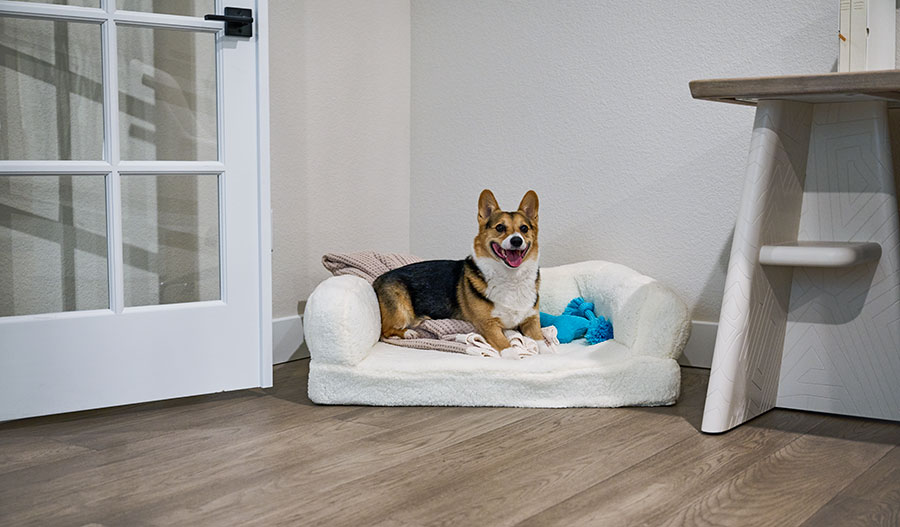
Before finalizing your home purchase, it’s important to understand any local regulations that could affect pet ownership. These rules can vary widely depending on the city, county, or homeowners association (HOA). Some communities may have guidelines related to the number of pets allowed per household, size or breed restrictions, leash requirements, or designated areas where dogs are permitted. Others may include noise ordinances that address barking or general disturbances.
It’s a good idea to ask questions during your home search. Real estate agents, sales consultants, or current residents may be able to clarify what the rules are, how they’re enforced, and how significantly they impact daily life. Understanding these details in advance can help you avoid surprises later and ensure that your new home aligns with your needs as a pet owner.
Are there open spaces and/or dog parks nearby?

Access to open space is another key factor when choosing a dog friendly neighborhood. Dogs benefit from having room to run, explore, and play, and nearby outdoor areas can support a healthy and active routine. While large backyards can be advantageous, you may also be interested in a home that offers close proximity to outdoor amenities for both you and your furry friends.
Dog parks, for instance, allow pups to run off-leash, socialize with other pets, and burn off some energy in a controlled environment. Some dog parks include separate sections for small and large dogs, as well as trash cans, waste bags, and benches, so those are details to keep an eye out for. It’s also worth considering how close these spaces are to your home. A park within walking distance can be especially convenient, offering a low barrier to entry for outdoor activities with your canine companion.
Are the natural surroundings and wildlife a concern?
It’s common to be drawn to neighborhoods with scenic surroundings, whether that’s wooded areas, open spaces, mountainous landscapes, or nearby trails. However, while these features can enhance a dog friendly lifestyle, they also come with considerations related to wildlife and environmental safety. Depending on your location, you may encounter animals such as deer, rabbits, snakes, or even coyotes. These animals are typically fearful of dogs, but they can still pose risks if they’re caught off-guard and you’re not prepared.
Take time to research the local environment. Are there common wildlife sightings? Do residents avoid certain areas during specific times of day? How should you react if you encounter certain animals? Understanding these factors can help you take appropriate precautions, like keeping your dog on leash in certain areas, not walking in the dark, or supervising outdoor time more closely. You’ll also want to consider the area’s flora. Some plants can be toxic to dogs, and rough or uneven trails may not always be suitable for sensitive paw pads.
How to search for communities with dog friendly amenities

Did you know that you can search for communities with specific amenities to suit you and your dog on our website? Not only can you use our filters to narrow search results for specific home features like bed and bath count, but you can also use them to pinpoint amenities such as trails, dog parks, and more. Just search for a city, county, school district, zip code or floor plan, and opt for communities that have amenities your pup will appreciate (and any additional ones you need to make your new house your dream home!).
Additionally, our Online Sales Specialists are available to help you identify the perfect neighborhood for your needs. Reach out today by calling 888.799.8322 or chatting with them online.
Bringing it all together
Buying a home is a big decision that impacts all members of the family—not just the human ones. Finding a dog friendly neighborhood is about convenience, comfort, and quality of life, and allows you to foster an environment where your pups can thrive.
As you explore community options, be sure to keep the questions from this article in mind. Chat with locals, take a close look at nearby amenities, and approach your search with a clear idea of what you and your pets need from a living situation. The right neighborhood will feel safe, inviting, and aligned with your most important routines, whether that be daily walks, doggy playdates, or family trips to the park.
Take a look at the following articles for additional advice:
- Six Ways to Meet Your New Neighbors
- The House Hunter’s Guide to Planning a Neighborhood Tour
- How to Find the Right School District for Your Child
- Looking for a Community Guide? Chat with a Sales Consultant!

Find your neighborhood fit!
Get tools and tips to help you pick a community with the right mix of amenities and other perks that match your ideal lifestyle.