You have a versatile flex space in your house and you’d love to transform it into a home gym—but how do you get started? Home gyms can be a smart way to avoid costly membership fees, save time and gas, and build or maintain a consistent fitness routine, without ever leaving the house. However, we know the setup process can still feel a bit overwhelming at first.
The good news is that transforming a flex room into your own fitness retreat doesn’t have to be complicated. With a little creativity, patience, and thoughtful planning, nearly any flexible space can become a private workout area. No matter your home’s size, your fitness level, or your budget, there’s a home gym solution out there for you. In this article, we’ll share tips and ideas to help you turn your flex space into the at-home fitness center you’ve been dreaming of.
Before you begin
It’s helpful to first define your goals—the “why” behind your desire to create a home gym. Asking yourself a few simple questions can help you determine exactly what you need out of your new exercise space. These questions may include:
Determining your needs upfront can help you effectively plan for a home gym that truly fits your lifestyle.
- What kind of exercises will I be doing? Cardio, weight training, yoga, Pilates?
- Will any other household members use the gym as well?
- How often will I use it? Daily? Multiple times a week? Or only on occasion?
- How much space do I need? A section or an entire room?
- How much and what kind of lighting do I need? Are windows necessary, or can I get by with just a few fixtures?
- What is my budget? How much can I realistically spend on equipment, accessories, any necessary renovations, etc.?
Why flex spaces make great home gyms
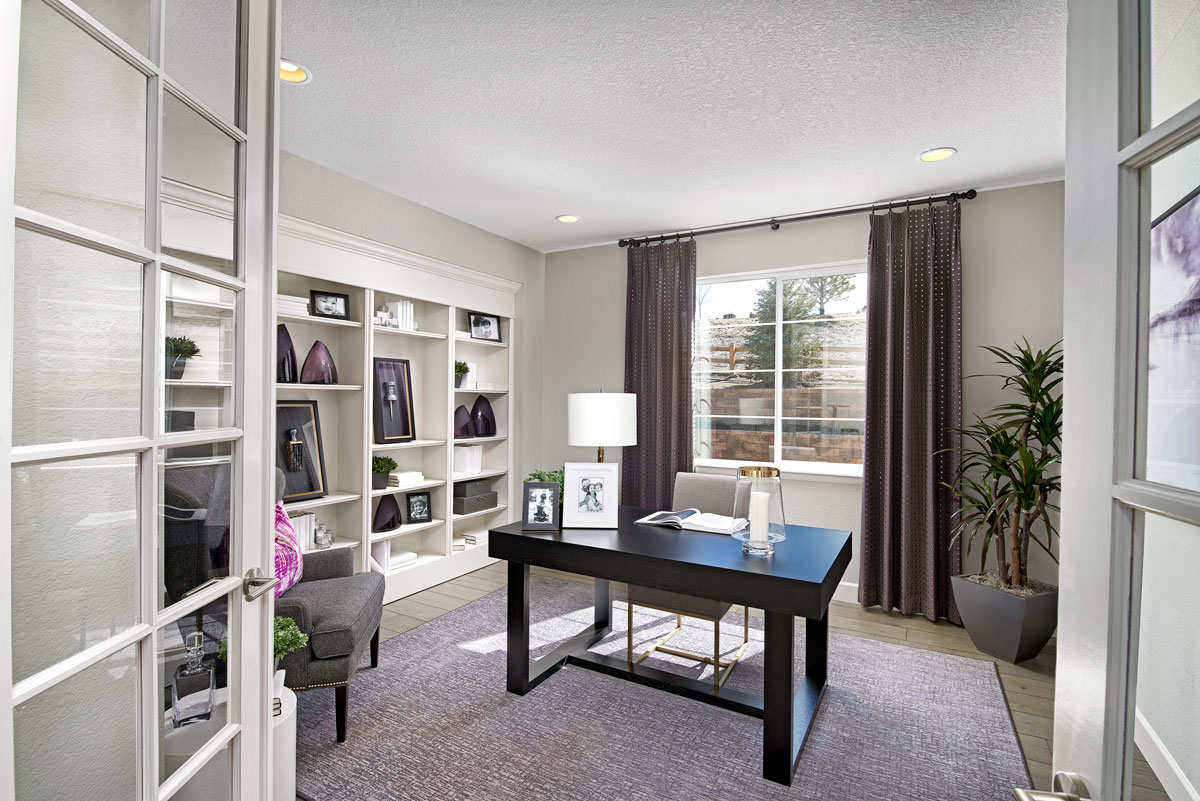
Why is your home’s flex room the perfect place to create your fitness haven? Unlike garages or basements, flex spaces are typically climate-controlled, already finished, and centrally located near the rest of the living areas. When your gym is just steps away from your bedroom or great room—and doesn’t require braving cold temperatures, uncomfortable heat, clutter, or low ceilings—you’ll be far more likely to use it.
Flex spaces also allow for multi-purpose use, which is perfect if you don’t want your home gym to take up too much space. With smart layout choices, your space can serve as both:
- A workout space and meditation room
- A yoga studio and guest sleeping accommodations
- A fitness area by day and homework or hobby room by night
With “flex” in the name, it’s no surprise that this type of room offers abundant possibilities for use.
Choosing the right layout
The layout of your home gym largely depends on how much of the room you want to dedicate to fitness. Some homeowners prefer a fully converted gym, while others want a hybrid setup that adapts throughout the day.
Dedicated flex-space gym
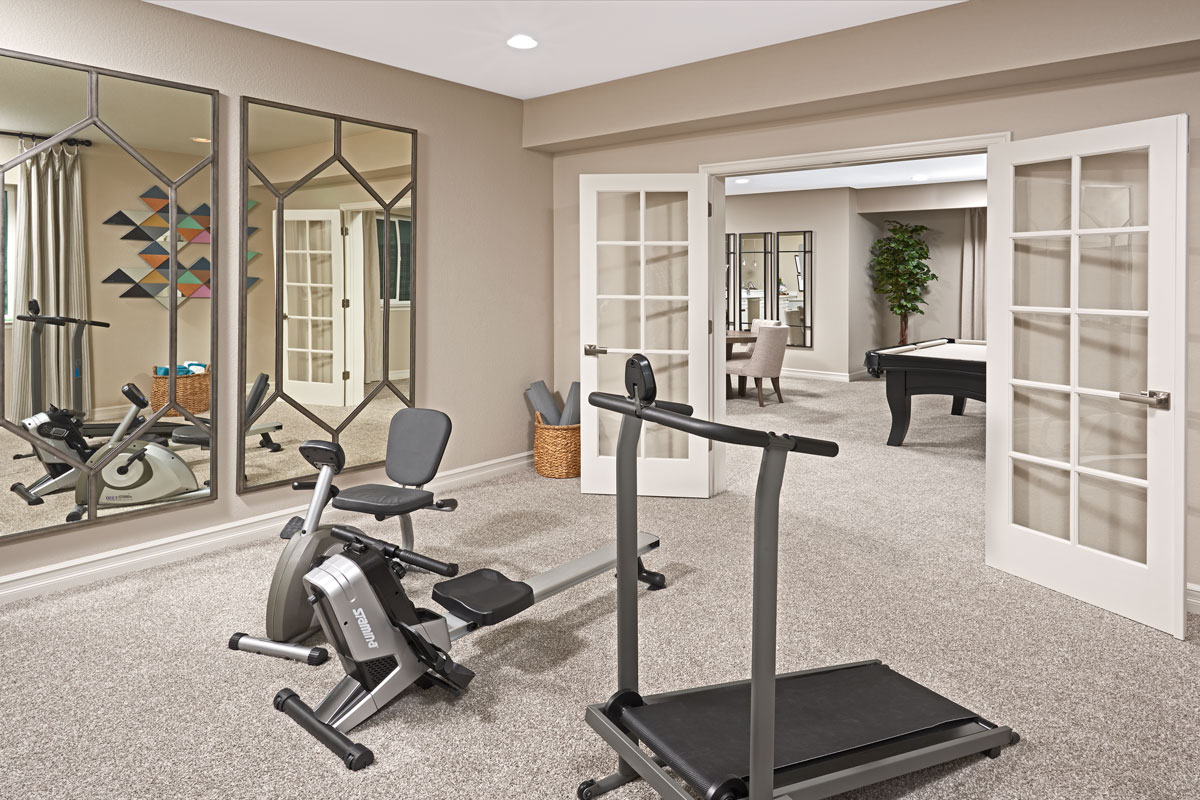
If your flex room is used primarily for fitness, you may have the freedom to invest in larger, more permanent equipment, such as a treadmill or squat rack. You can also recreate the look, feel, and function of a commercial gym with additions such as non-slip flooring, wall mirrors, a mounted television, and even a sound system. This kind of setup allows you to design your home gym with performance and motivation in mind.
Multi-purpose flex space
If your flex space serves multiple roles, consider focusing more on temporary solutions that can be easily stored or that take up less space. This may include foldable equipment, floating shelving, exercise mats that can be rolled up, vertical weight racks, and more. For example, if you’re using your flex room as both a home gym and guest accommodations, you could set up a futon with storage solutions underneath, to house resistance bands and light dumbbells when not in use.
Gather the equipment
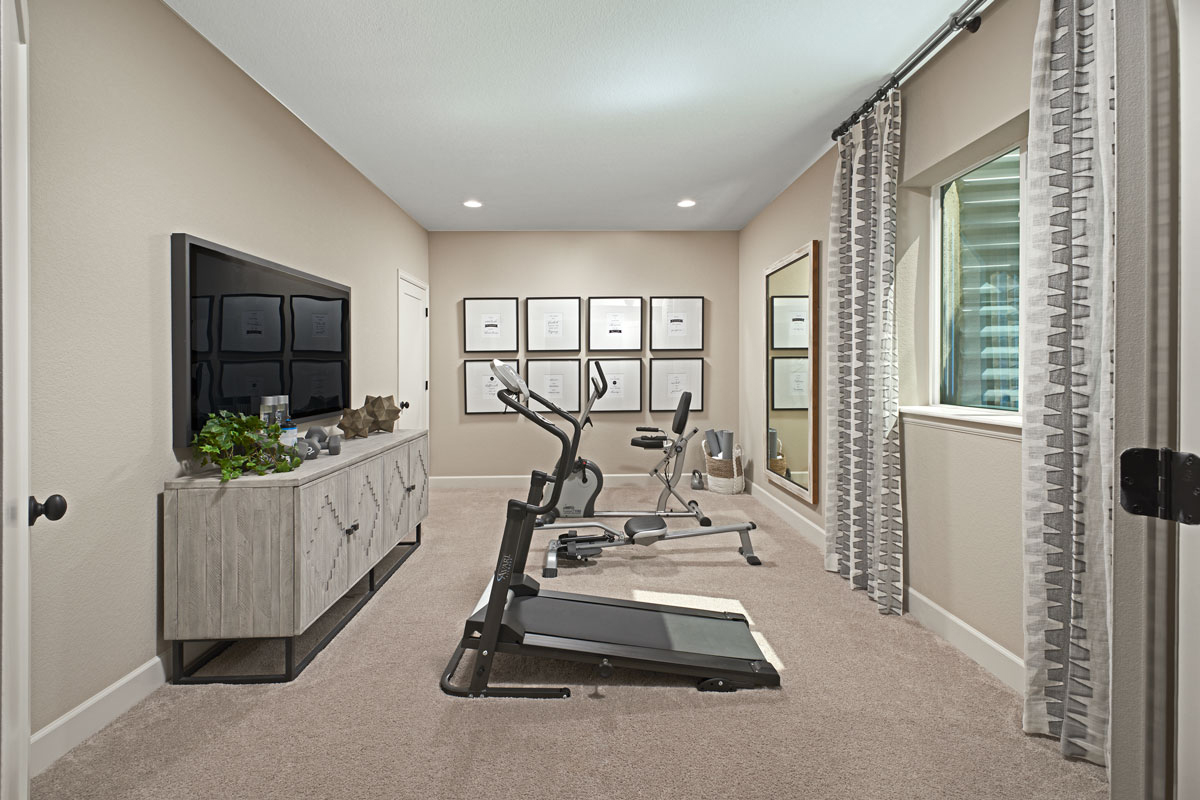
Once you’ve laid the foundation for your home gym, it’s time to gather the necessary equipment! Equipment can range in complexity and price, so it’s important to decide on a budget and only purchase what you know you’ll use. Plus, as mentioned previously, you’ll want to be mindful of how much space you’re working with in your flex room.
Common equipment categories are cardio, weight and resistance training, and recovery, although there are plenty of miscellaneous items you may want or need.
Cardio
Cardio machines such as treadmills, stationary bikes, ellipticals, and rowers are handy pieces to have, but they can also be an investment and take up considerable space. More compact and affordable options might include a classic jump rope or a multi-use plyo box (which also has DIY options!).
Weight and resistance training
Looking to start small? Resistance bands, TRX straps, kettlebells, and dumbbells all offer value and versatility without requiring too much space or money—adjustable dumbbells are an excellent alternative if you don’t have the room to buy a whole set. More involved equipment might include a squat rack, a cable machine, barbells, and plates.
Yoga and recovery
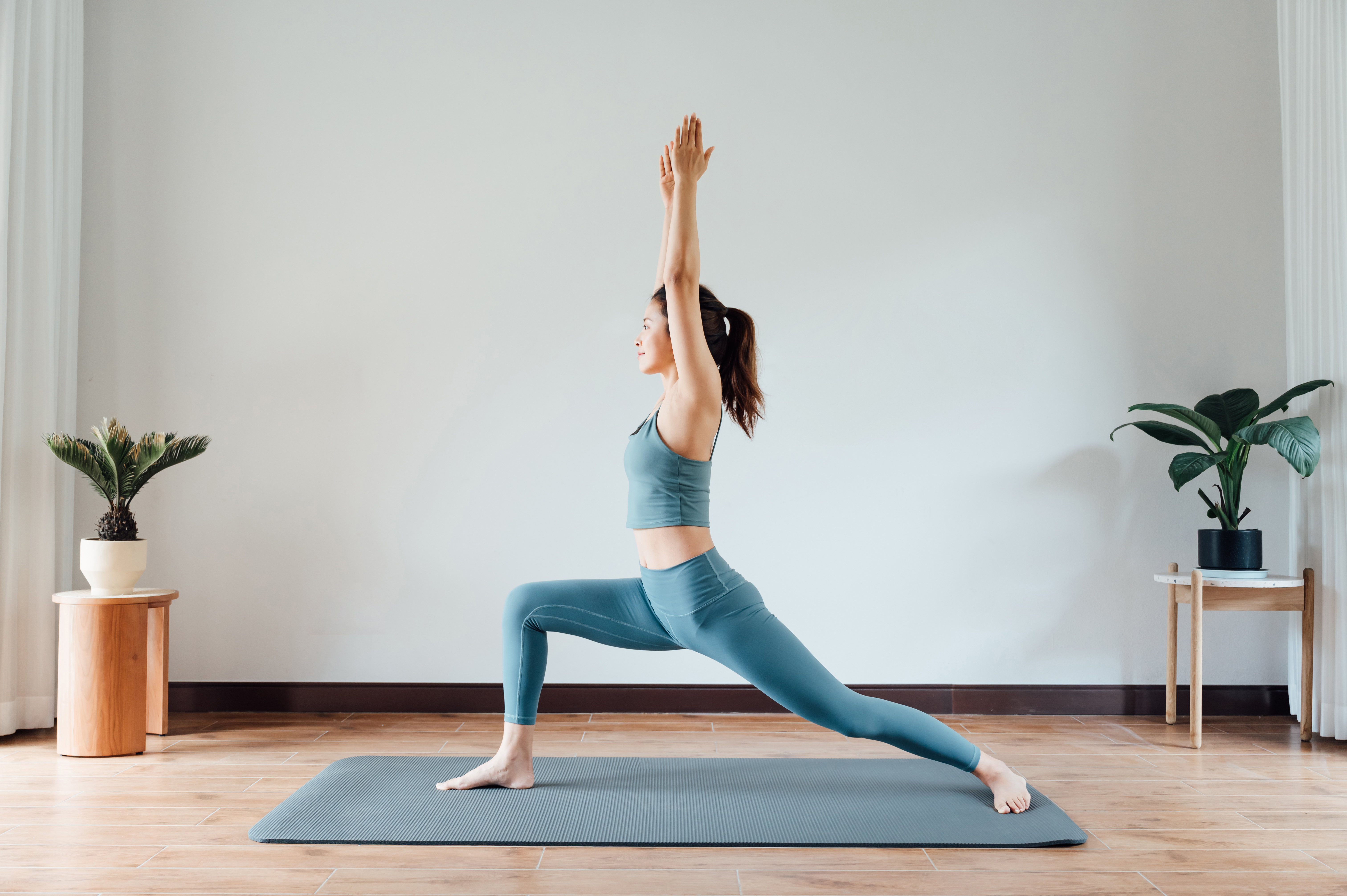
Sometimes, all you need to move your body is a mat and a little bit of space! Mats are useful not only for yoga poses and stretching, but also for ab exercises, Pilates, and other bodyweight moves. Additionally, it’s important to remember a crucial step in every fitness plan: recovery. Tools such as foam rollers and massage balls are helpful to have on hand in your home gym.
Other useful equipment
Benches, medicine balls, punching bags, pullup bars, and ab wheels are only a few examples of other items you might want in your home gym—the (fitness) world is your oyster!
Set the scene
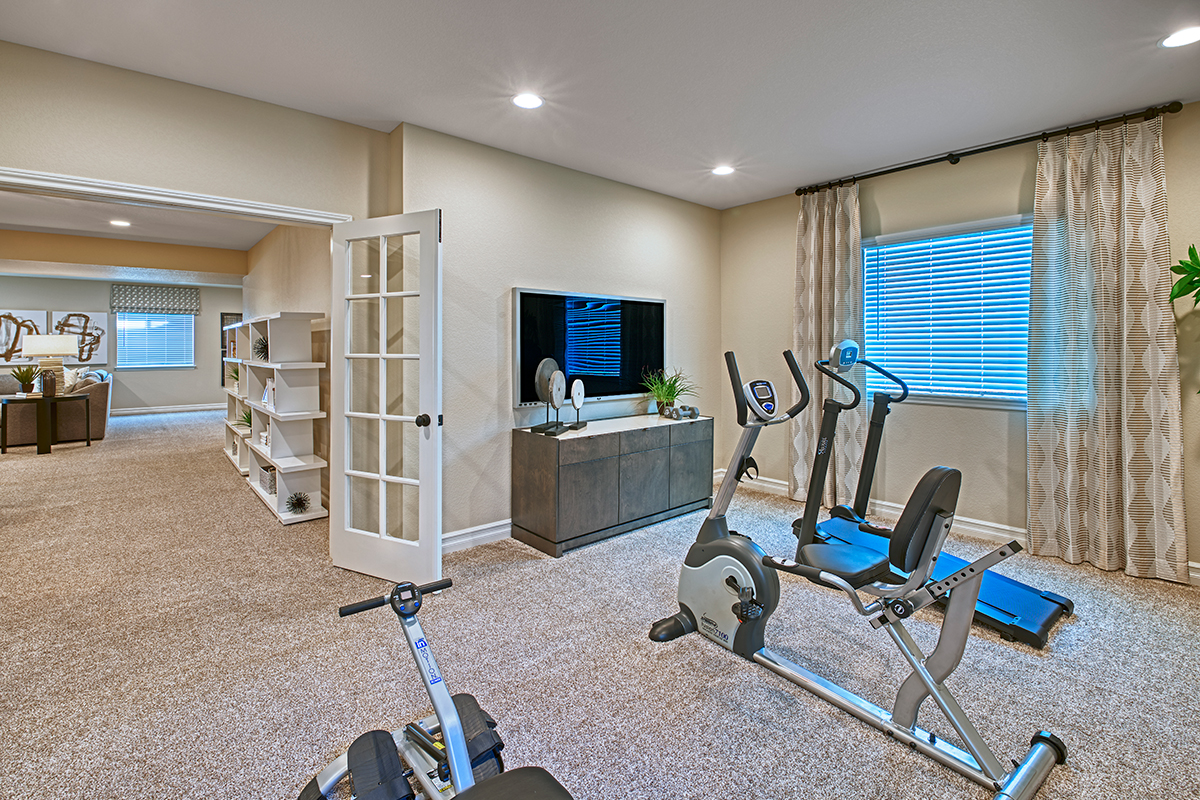
The next step in building your at-home workout space is to plot its layout. How will you arrange the machines and equipment? Electricity-powered machines will need to be placed near outlets, and you’ll likely want to leave ample room for stretching and floor exercises. Be sure to maintain a safe distance between equipment to reduce risk of injury, especially if multiple people might be using the gym at the same time.
Lighting is another important factor when creating a home gym. Natural light can help your gym feel bright and inviting, but windows may not be available in your home’s flex space. Consider dimmable lights if you plan on doing a variety of exercises. Softer, warm lighting is popular for yoga and stretching, while cool and bright lights can help energize your cardio or weight training routines.
Want to keep an eye on your form while working out? Wall-mounted mirrors are a home gym staple and have the added benefit of making your space feel larger. For further motivation, you can decorate the walls with inspirational artwork and decals, like this clever light-up sign.
Technology can also be a great resource for creating an enjoyable fitness routine! TVs are handy for playing workout videos on platforms like YouTube, and smart TVs may even offer access to different fitness apps. You can also add a sound system (or just a Bluetooth speaker) to fill your space with upbeat and energetic tunes, perfect for a mid-workout dance break!
One final element to consider is storage and how you’ll organize your gym. Wall mounts and floating shelves are great ways to keep miscellaneous equipment off the ground, and you can use baskets or vertical cubbies to store yoga mats, resistance bands, towels and other small items. Another solution is a sturdy multi-use rack like this one, which can hold heavy weights as well.
A few final tips
- You don’t need to buy every piece of equipment at once. Instead, consider starting with just a few basic and affordable items, such as a yoga mat and resistance bands, or a set of adjustable dumbbells. Over time, you can gradually add equipment and machines as you develop your routine.
- Outfitting your home gym doesn’t have to break the bank. There are many places to find inexpensive equipment, including secondhand shops and online marketplaces.
- Consider using a white board to write out your fitness routine and schedule. Not only does it keep you organized but hanging it up may also help put your workout top of mind and inspire consistency.
- Safety first! Tasks such as keeping your space clutter-free to prevent tripping, wiping up any slick sweat or spilled water, installing ample lighting, and ensuring proper ventilation/temperature control can help keep you and any other home gym goers safe.
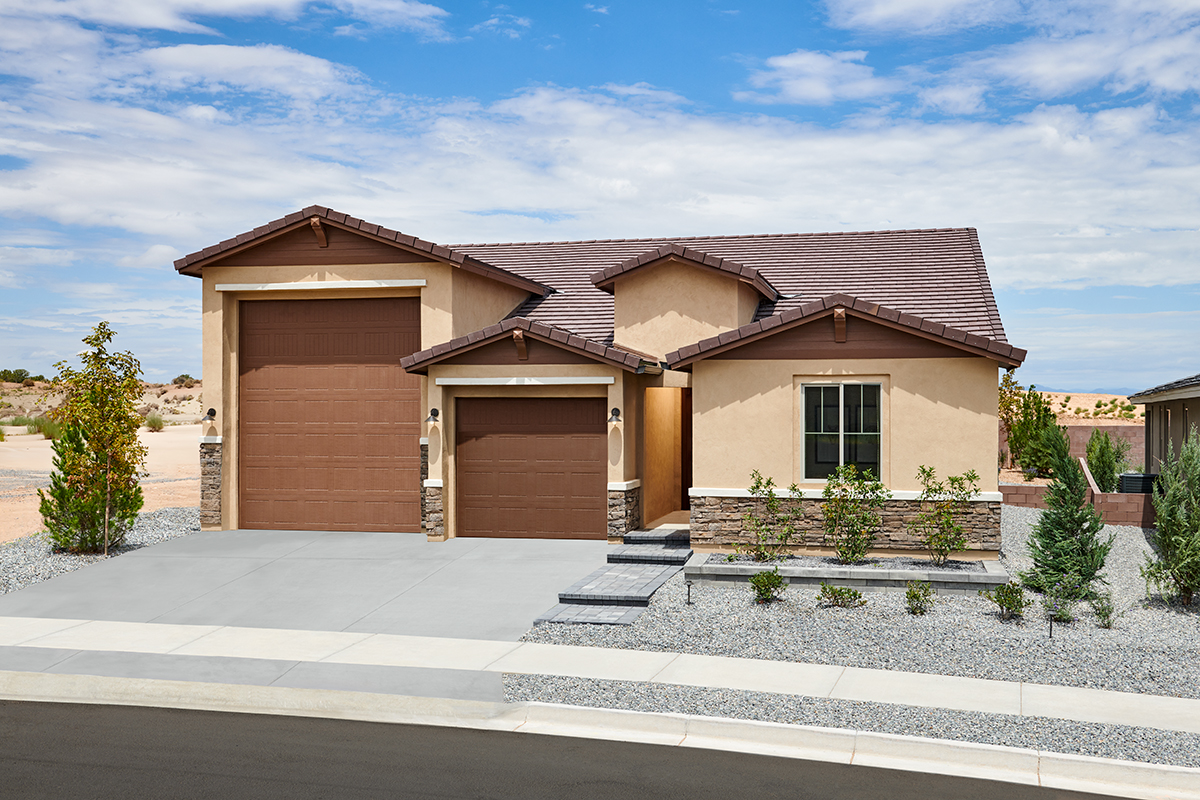
- Don’t have the space right now but know you want a home gym in the future? Make that a top item on the wish list for your next home and search for floor plans that feature versatile flex rooms.
For more fit-spiration and tips on how to set up a home gym, check out the following resources:
- Home Gym Ideas Pinterest board
- Everything Fitness Pinterest board
- Healthy Recipes Pinterest board
- Power Through 3 Common Home Gym Challenges
If you’re ready to find a new abode with a flex room where you can build your dream home gym, search move-in ready listings on our website or give our New Home Specialists a call at 888.799.8322.
Get a room-by-room floor plan lifestyle guide!
Need help evaluating floor plans to discover which one is right for you? Get a floor plan worksheet, model home touring tips and more in How to Choose the Right Floor Plan for Your Lifestyle!