If you’re getting ready to start house hunting, weighing a new homes vs resale is a big consideration. When making this decision, there’s a lot to consider beyond the price tag. Monthly payments, interest rates, maintenance, and how a home will actually feel to live in day to day all matter. Once you factor in maintenance, energy costs, design, and lifestyle into the equation, new construction often delivers greater overall value than many resale options. Here’s a closer look at what’s driving that trend:
The *real* cost of new homes vs. resale
It’s easy to focus on the purchase price, but the true cost of a home shows up over time. With resale homes, what looks like a good deal upfront can sometimes come with surprises later. Roofs, HVAC systems, plumbing, appliances—none of these last forever. If a few things go at once, it can feel overwhelming (and expensive) pretty quickly.
Roofs, HVAC, plumbing, electrical, water heaters, and appliances all have limited lifespans. If several need replacement within a few years, costs can rise quickly. Conversely, new construction offers more predictability. With brand-new systems and contemporary building materials being used, early repair costs are typically lower. That stability can make budgeting easier, especially for first-time buyers or anyone focused on long-term costs, not just the initial price of a home.
Layouts, finishes, and how you live today

Design is where new homes vs. resale often feels most different day to day. Resale homes reflect the era they were built in—formal dining rooms, smaller kitchens, and more segmented layouts. Those details can add charm, but they may feel less functional for entertaining, remote work, or modern routines.
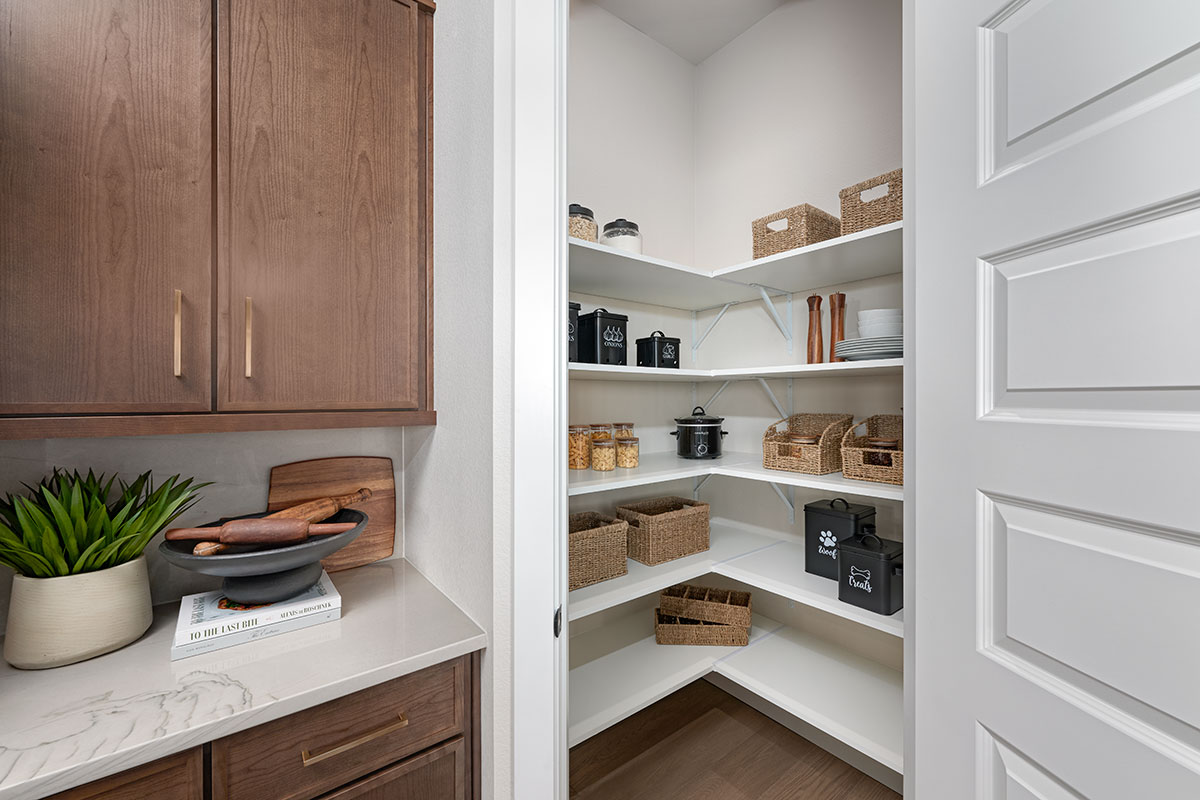
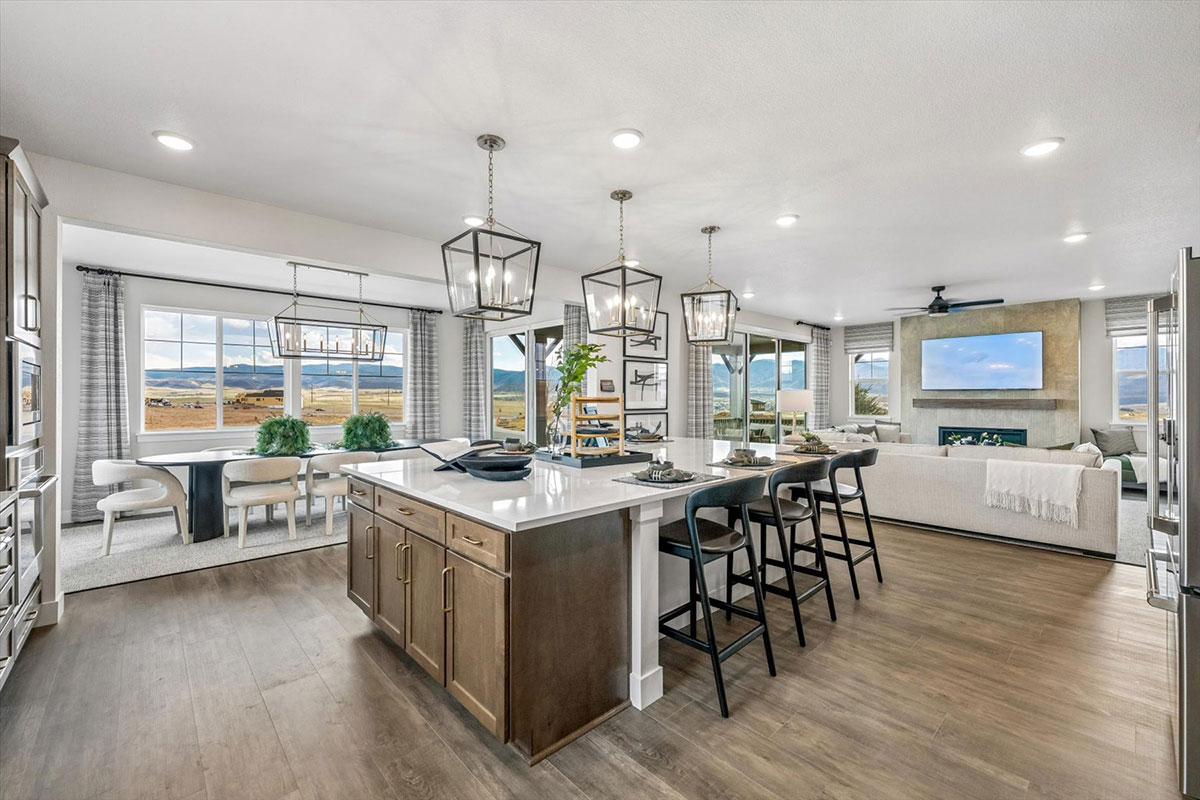
New homes are designed for how people live today. Open-concept spaces, large kitchen islands, walk-in pantries, and flexible rooms for offices, guests, or gyms are more common, and contribute to a more organized and supportive home environment. With ample natural light and better indoor-outdoor flow, they tend to feel more connected and adaptable—often appealing to buyers who want move-in-ready functionality without going through major remodeling.
Style, personalization & taste
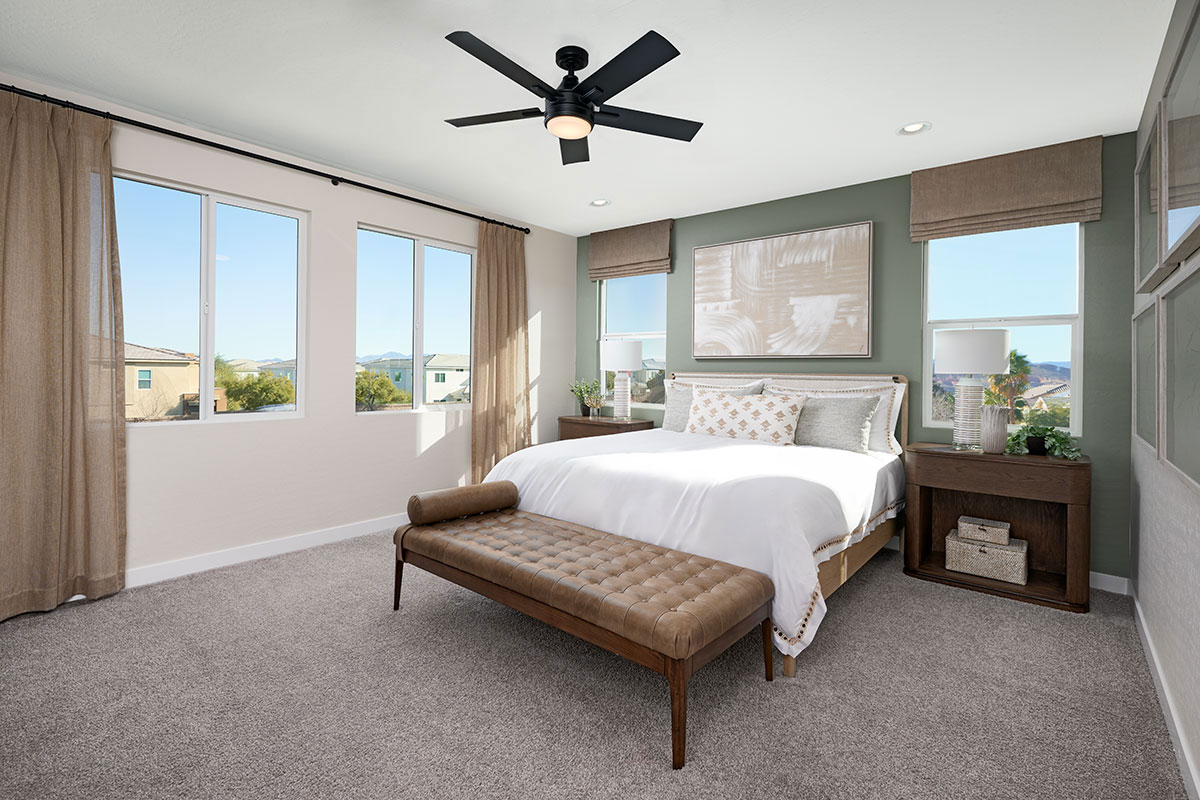
With a resale home, personalization usually happens over time. Maybe you repaint first, then tackle a bathroom later, and eventually the kitchen. That can be rewarding, but it can also mean living in a “work in progress” for a while.
New construction can offer upfront personalization. Depending on the builder, buyers may choose cabinetry, countertops, flooring, fixtures, and sometimes structural options before moving in. Compared to resale, the appeal is clear: a home that fits your style from the start, without an immediate renovation list. If you are in the market for a home that can fit your lifestyle well, new construction is likely a route to strongly consider.
Condition & everyday comfort
Beyond big-ticket items, smaller condition details shape daily living. Resale homes often come with history: scuffed walls, worn floors, aging fixtures, or lingering odors. Issues may be fixable, but they can affect first impressions and add to the post-closing to-do list. Inspections catch major problems, not cosmetic or comfort updates.
New homes offer a clean slate. Everything from finishes to appliances and systems is unused. For many buyers, especially those sensitive to allergens or odors, that fresh-start feel is a clear advantage and makes move-in more comfortable.
Modification issues & unknowns
Another factor in the new homes vs. resale decision is how the property has been altered (or left unfixed) over time. Resale homes often include additions, finished basements, enclosed patios, or DIY upgrades completed by previous owners.
Some of these changes can add square footage and functionality, but not all modifications are permitted, inspected, or built to current standards. Buyers may inherit layout choices they wouldn’t have made themselves, or they may face the cost of correcting work that doesn’t meet today’s codes or their own expectations.
With new construction, the floor plan and features are designed by professionals to work together from the start. Buyers choose from a set of thoughtfully planned layouts, which can reduce the need for reconfiguring rooms or undoing previous alterations. In the context of new homes vs. resale, this can mean fewer surprises and a more cohesive, functional home from the day you move in.
Built for today (and tomorrow)
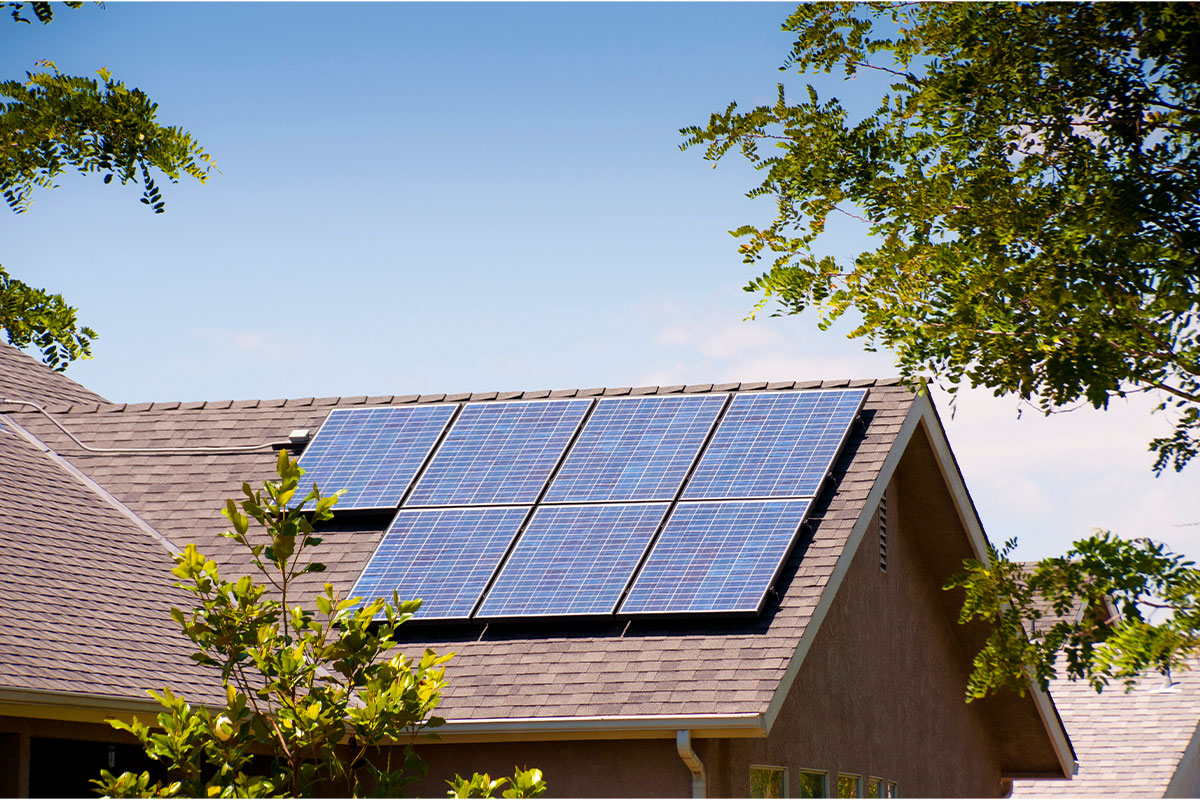
New homes are built to modern standards, which often means better insulation, improved safety features, and more efficient systems. That can translate into lower utility bills and more consistent comfort year-round.
High-efficiency HVAC systems, better windows, and tighter construction often mean more consistent comfort—an important advantage over older homes with potentially less efficient components. Resale homes can offer strong craftsmanship, but bringing them up to modern standards can be costly. Upgrading insulation, windows, or major systems helps close the gap, but adds to the total cost over time.
Technology and connectivity

Technology has become central to how people work, relax, and stay secure at home, and it’s another area where new homes vs. resale homes can differ significantly. Many modern homes are designed with robust connectivity and smart home infrastructure from the outset. Prewiring for high-speed internet, strategically placed outlets and data ports, smart thermostats, video doorbells, integrated security systems, and even electric vehicle charging capabilities are increasingly common. These features support remote work, streaming, gaming, and energy management without the need for extensive retrofitting.
Resale homes can certainly be upgraded with smart technology, but doing so may involve running new wiring, opening walls, or working around structural constraints. When comparing new homes vs. resale, buyers who prioritize a connected, future-ready home often find that new construction offers a smoother path to the tech-forward lifestyle they want.
Warranty protection
Warranty coverage is one of the clearest advantages in the new homes vs. resale comparison—especially for buyers who want to limit surprises after closing. New construction typically includes builder warranties covering structure, major systems, and workmanship for set periods.
Brand-new appliances and home technology features often come with manufacturer warranties, too! That protection can reduce early repair costs and provide a clear path if issues arise, adding confidence in the first years of ownership. Limited warranties for new homes also have exclusions and coverage limits.
Lifestyle and community
The new homes vs. resale decision isn’t just about the house—it’s also about the lifestyle and community that come with it. Many buyers are prioritizing walkability, outdoor spaces, and opportunities to connect with neighbors as part of their home search.
Communities with new homes often include parks, playgrounds, trails, dog areas, and shared gathering spaces. The homes themselves tend to offer flexible layouts suited for remote work, multigenerational living, or active lifestyles. This pairing of modern design and built-in amenities makes new construction appealing for buyers who want a home that fits how they live both now and down the road.
Resale homes, on the other hand, are often in established neighborhoods with mature trees, distinctive architecture, and a sense of history. While those features attract many buyers, older areas may lack comparable amenities or modern functionality without extra travel or significant updates.

Timing & availability
For buyers with firm move-in deadlines or relocation schedules, timing is a vital consideration in the new homes vs. resale decision. Given that the resale market can be competitive, and limited inventory can potentially be an issue in desirable areas, it’s tougher to predict precisely when a move-in date might take place. That can add stress and uncertainty to the homebuying process.
New construction may require a longer wait if you’re building from the ground up, but that can bring with it more time to plan without scrambling. If you are in a hurry to move, that doesn’t take new construction off the table. Richmond American offers quick move-in homes—new properties that are completed or nearing completion.*
With competitive pricing, potential builder incentives, modern layouts, and the ability to personalize features before move-in, new construction is increasingly emerging as a compelling choice for a wide range of homebuyers. The potential advantages of new construction—reduced maintenance, updated features, built-in efficiency, and a move-in-ready experience—often make it the stronger long-term choice for house hunters.
If you’re interested in learning more about Richmond American’s new construction homes, be sure to call our friendly sales consultants at 888.799.8322 or get in touch with them online. They’re on hand waiting to help you find a floor plan that meets your needs!
Ready to finance the home of your dreams?
Our free guide will give you an overview of the loan process, plus tools to keep you organized through closing day.