
According to recent research, more than 25% of Americans now live in multigenerational households. That number appears poised to continue growing for the foreseeable future.
Parents move in with adult children. Grown kids return home after college. Grandparents want to stay close to grandchildren without giving up independence. In-home childcare becomes a long-term living situation. The reasons are as varied as the families themselves, but the underlying need is always the same: a home that works for everyone living in multigenerational households.

If that sounds like a big ask, don’t worry! Richmond American’s talented designers have created dynamic floor plans with this lifestyle in mind. Options range from secondary primary suites to fully self-contained Modern Living™ Suites that function like private apartments within the home. That distinction matters, and it’s reshaping who this kind of living works for. Shared bathrooms, limited privacy, and bedrooms that feel temporary can quickly undermine the appeal of living together. The solution isn’t simply more square footage—it’s smarter design
Close, but not too close
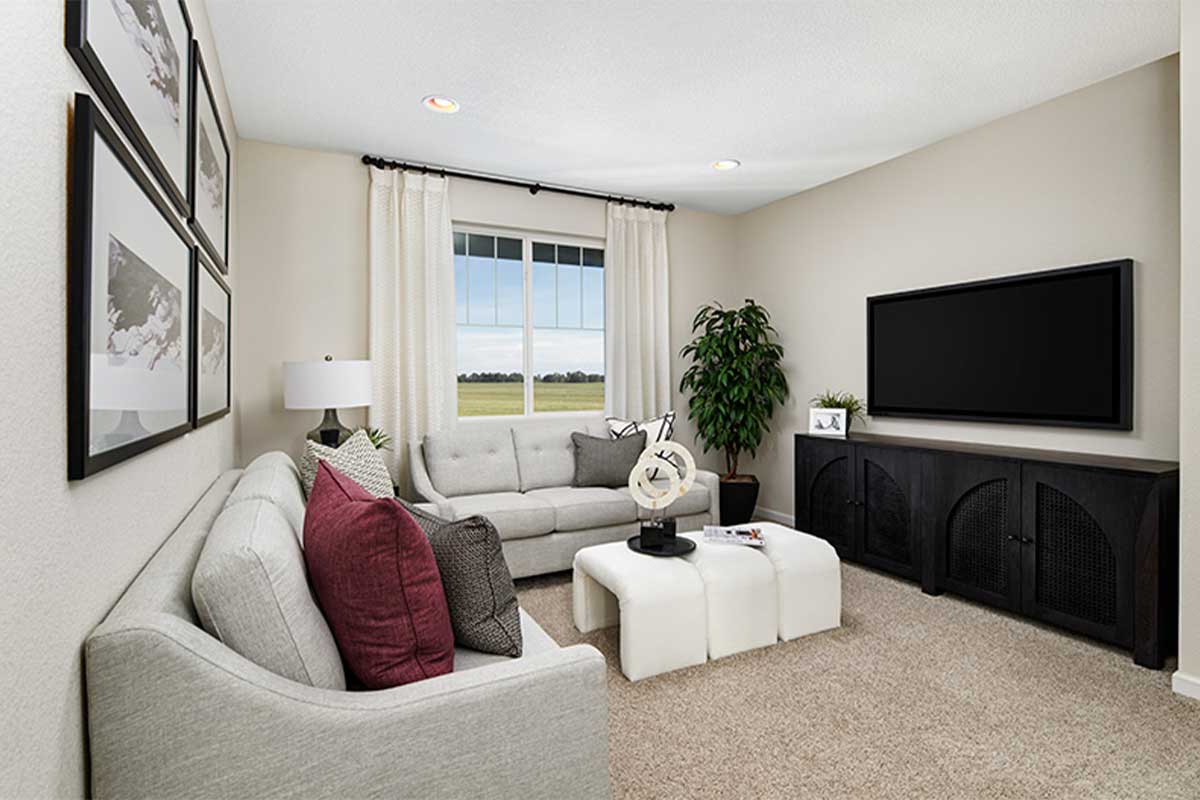
A multigenerational household typically works best when it balances two needs: togetherness and breathing room. Families move in together to be close—sharing meals, helping with kids, supporting aging parents, or easing costs. But without the right layout, that closeness can start to feel cramped.
An adult child typically doesn’t want to feel like a guest. An aging parent most likely still wants a modicum of independence. A live-in caregiver needs a place to unwind. And the core household still needs its own routines, and space that feels like its own. Thoughtful floor plans can make that balance feel natural, helping everyone live together more comfortably and organically.
What a secondary suite actually provides
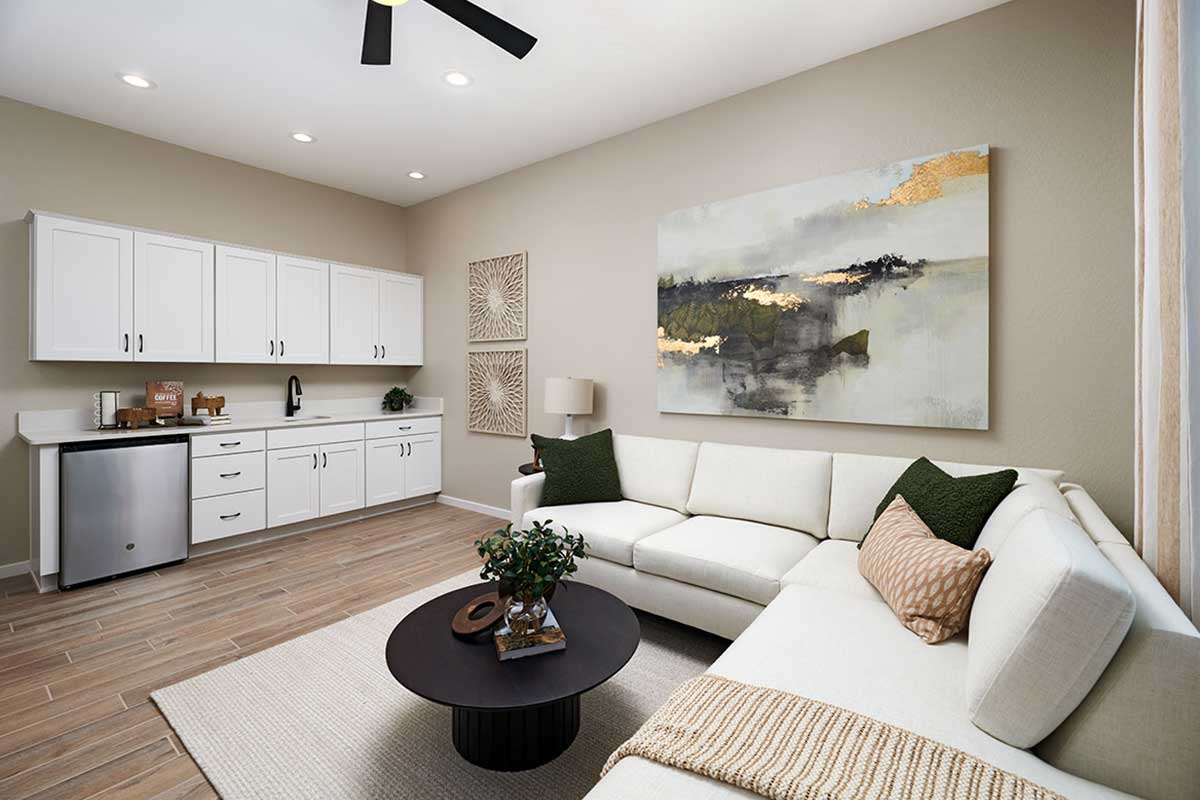
Not all multigenerational suites are created equal. At the simpler end, a second primary suite with an attached living room gives an additional household member a private anchor within the shared home. They have their own bathroom. Their clothes have a home. They don’t have to negotiate the hallway bathroom schedule or live out of a shared closet. These seem like small things until you’re six months into an arrangement and they’re the only things anyone can talk about.
A full Modern Living™ Suite goes further. These spaces function as self-contained apartments within the structure of the larger home, potentially including a private entrance, a living room, a kitchenette, a bedroom, an attached bath, a walk-in closet, a laundry area, and in some configurations, additional storage. The suite’s occupant can come and go independently, cook their own meals, do their own laundry, and live their daily life without intersecting with the primary household unless they choose to. The connection point—shared dinners, weekend time together, an unlocked interior door—exists by choice, not by necessity.
Maintaining independence
For many families, the moment that sparks the conversation around multigenerational households is a parent reaching a stage of life where living alone feels risky, but moving into a care facility feels premature—or simply unwanted. A full-featured private suite changes the calculus entirely. Mom or Dad has their own front door. They have their own kitchen for morning coffee and late-night snacks. They can have a friend over without it affecting the household’s schedule. They have laundry and storage and a bathroom that belongs to them.
What they also have is proximity to family: grandchildren who can wander over after school, adult children nearby if something goes wrong, a shared yard for Sunday afternoons. The arrangement allows aging in place without the isolation that makes living alone a genuine concern. And as care needs change over time, the family is already structured to adapt. There’s no scramble to figure out logistics when the architecture already accounts for them.
A real home, not a layover
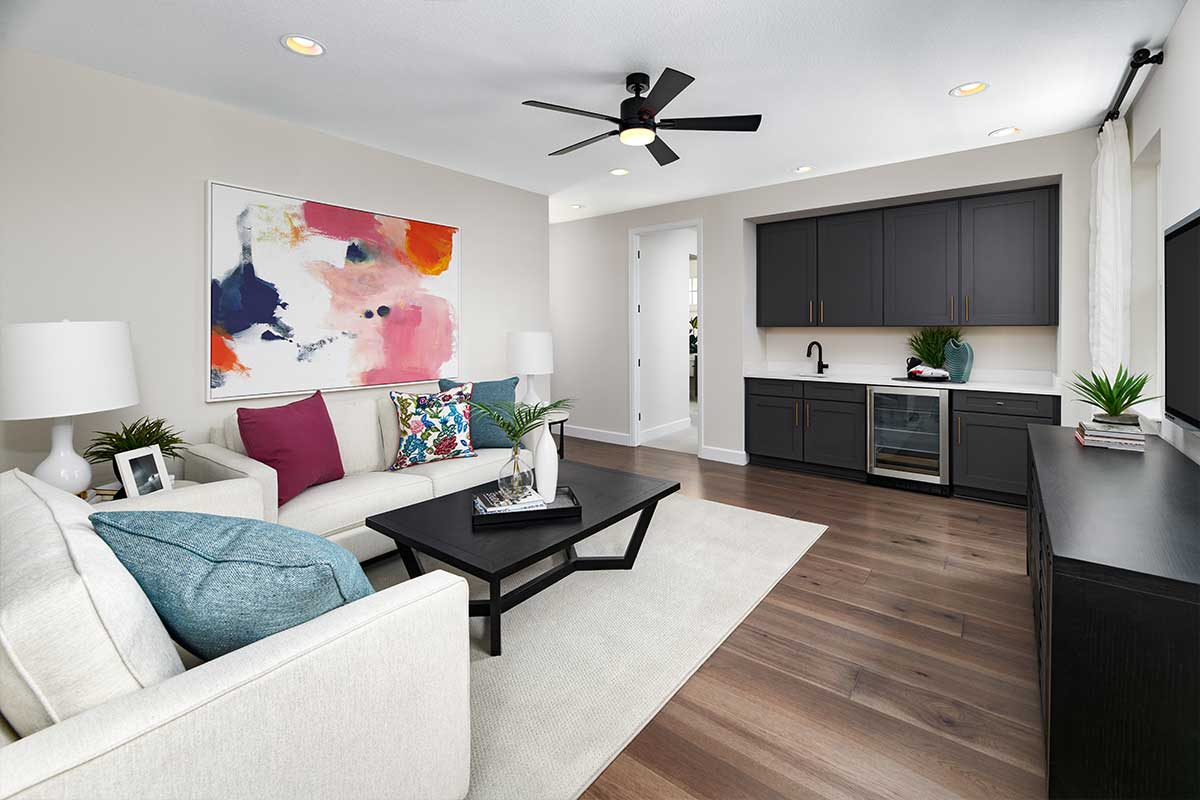
The adult child who moves back home is often doing so for entirely practical reasons—paying down student debt, saving for a down payment, weathering a career transition, or simply navigating a cost-of-living environment that makes independent living financially brutal in the short term. The arrangement makes sense on paper. The execution, without adequate space, often doesn’t.
A private suite changes the experience from “moving back home” to “living with family.” The distinction is psychological but it’s real. An adult with their own space, their own entrance, their own morning routine and evening wind-down doesn’t feel like they’ve regressed. They feel like they’ve made a strategic choice—one that happens to involve living next to loved ones. That framing matters for the adult child’s sense of self, and it matters for the relationship with parents who no longer feel like they’re managing a dependent.
The shared meals still happen. The porch conversations still happen. But they happen on terms both parties have chosen, rather than as an unavoidable byproduct of a shared space.
A childcare solution that actually works

For families with young children, reliable childcare is one of the largest expenses and organizational challenges in daily life. A live-in caregiver solves the problem elegantly, but only if the home can actually support it. A caregiver who shares walls with a light-sleeping toddler, lacks bathroom privacy, or has no space to decompress at the end of the day isn’t a viable long-term solution.
A dedicated private suite gives a live-in caregiver the separation they need to genuinely recharge. They’re on-site when needed, available and present, but not “on” at all hours because their personal space is indistinguishable from the family’s. That separation, paradoxically, makes the arrangement more sustainable—and more professional—for everyone involved within multigenerational households.
Guests who stay longer than a weekend
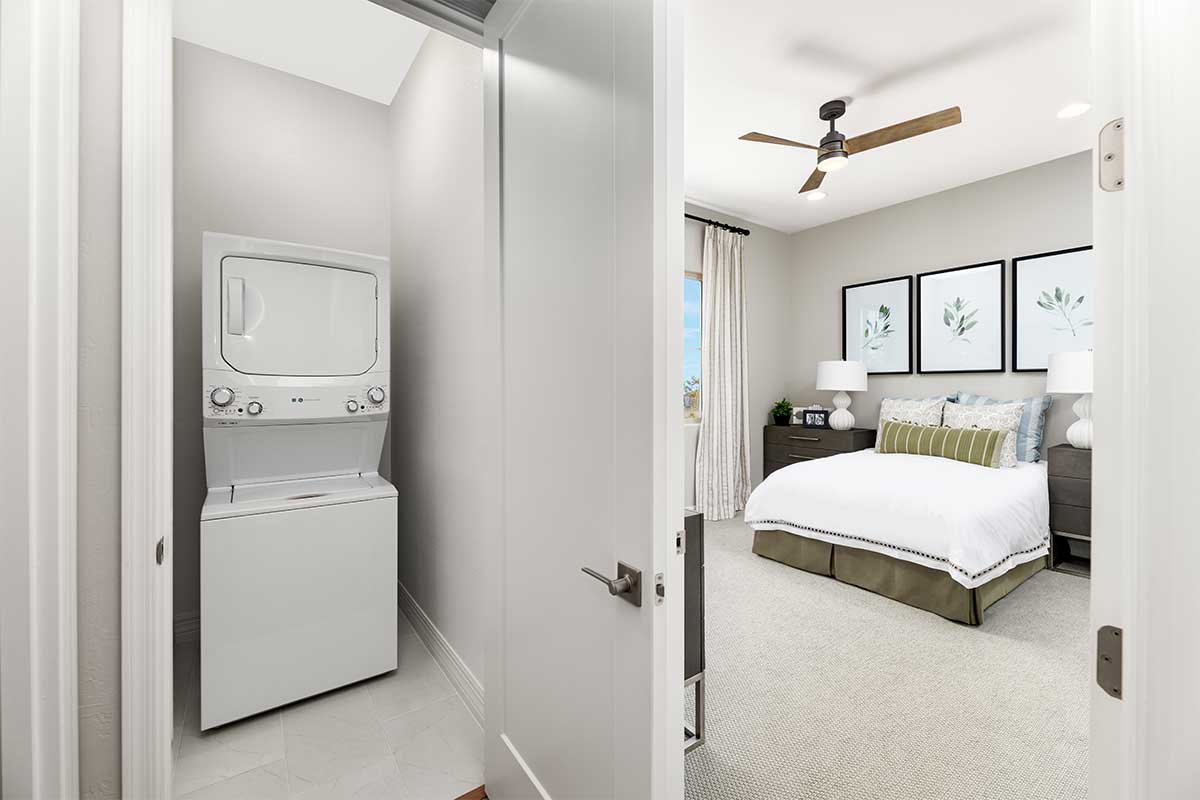
Not every household operates in a permanent multigenerational configuration. Some families have siblings, in-laws, or college friends who visit for weeks at a time. Others have parents who spend part of the year under the same roof during winter months or after a health event. A well-designed additional suite turns these extended visits from logistical headaches into genuinely pleasant experiences.
When guests have their own bathroom, their own entrance, and their own defined space, everyone can relax. The host family doesn’t feel like their home has been taken over. The guest doesn’t feel like an imposition. And the visit, free from the low-grade tension of insufficient space, can actually be what everyone hoped it would be: time together with the people they love.
Finding the floor plan that fits your family

Richmond American Homes offers a range of floor plans across multiple communities that include features ideal for multigenerational households—from secondary primary suites to fully equipped Modern Living™ Suites. The right configuration depends on who’ll be using the space, how independently they need to function, and how much daily overlap makes sense for your household.
The fact that a large percentage of Americans live in multigenerational households reflects something that families have always known: proximity to the people you love has real value. The question is whether your home is designed to support that without sacrificing anyone’s autonomy in the process. With the right floor plan, it can be.
If you’d like to learn more about our homes designed to accomodate multigenerational living, be sure to get in touch with our friendly sales consultants. They can help you find the home of your dreams that best suits your lifestyle!