
Thinking of making a cross-country move? You’re not alone. Each year, over seven million Americans relocate to a new state. Some move for financial reasons, seeking different job opportunities or, on the other end of the spectrum, reaching their retirement goals. Others move to be closer to family or to a locale that better matches their lifestyle. It’s a big decision to pack all your worldly possessions and leave your familiar comfort zones behind.
While just the thought of traveling for hundreds of miles across the continent with your most precious cargo can seem a little intimidating, properly preparing for a cross-country move can help you feel more confident and in control, allowing you to focus on the excitement of a fresh beginning in a novel environment. This article touches on a few strategies to help you move forward.

Moving jitters are completely normal—especially when you’re heading across the country. But alongside the nerves are countless success stories: people who took the leap and now can’t imagine calling anywhere else home. Maybe it’s the newfound access to outdoor adventures, or perhaps it’s finally having the space to grow their family comfortably. Whatever the reason, a long-distance move isn’t just a big change—it’s an exciting new chapter, full of possibilities waiting to be explored.
We’ve identified some simple ways to support your upcoming move and help you feel at home in your new city, so you can focus on the rewarding journey that awaits you.
Plan ahead.

Make a moving checklist before the big day. Figuring out what needs to be done well in advance—and breaking those tasks up into easily manageable steps—can help keep you organized and on track, which, in turn, can keep stress at bay. The more time you spend organizing and packing your belongings prior to the move, the smoother it will be to give everything its new home in your new home.
Declutter with intention.

Sell, donate, or toss belongings that aren’t worth a long-distance move. Pay special attention to bulky furniture, old paperwork, and seldom-used items. As the old adage goes, one man’s trash is another man’s treasure, so host a garage sale or list items online while you still have time, and you might be pleasantly surprised by how much you actually get out of it.
Having trouble letting go? Ask yourself the hard questions. Is that heavy vintage lamp still your style? You might be blessed with excellent sources of natural light in your new space. Is it time to splurge on a new sofa (after closing on your new home, of course!)? Do you need those souvenir shirts, or are the photos of you wearing them enough of a memento? Remember, the less you pack, the less you have to pay to transport and potentially store, and the less you have to unpack at the end of the journey.
Decluttering before you move could also help you sell your home, if that’s something else on your to-do list. Think about what you want to bring into a fresh space where you can start anew. Plus, don’t forget to properly dispose of prohibited items, such as paints, aerosols, propane tanks, and cleaning chemicals that you don’t want to bring along.
Create a detailed inventory.
Moving across the country is a much smoother process when you are aware of everything that you’re bringing with you. It’s easy to lose track of your belongings, especially if you tend to hold on to things for sentimental value or as a collector. Photograph valuable items and note existing damage to keep tabs on your inventory, and keep your list updated as it grows. Knowing what you have reduces the risk of thinking you lost it, which is a relief in itself.
Pack strategically, not just quickly.
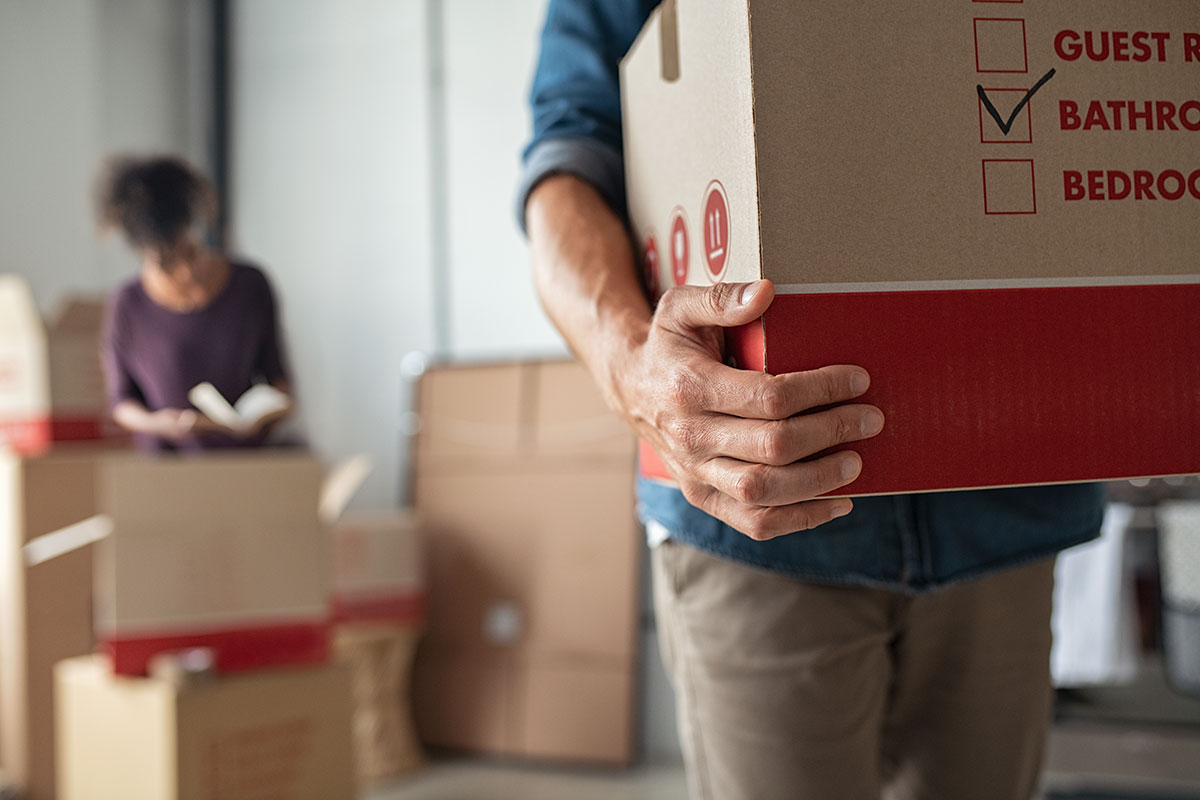
Efficiency is key when it comes to big moves, but it’s a delicate balance of speed and attention to detail. You don’t want to be going through dozens of unlabeled cardboard boxes just to find a towel or toothbrush when you arrive at your final destination. Try to keep your belongings organized as best as you can in a way that makes sense to you. Taking down and packing up all your decorations, like picture frames, travel trinkets, souvenirs, etc., can be a great place to start, as these are not essential everyday objects. Keeping items organized by room can help you envision your new space when you get there. When you stack boxes, make sure to keep heavier ones at the bottom and fragile or lightweight ones on top. Don’t block any doorways and leave enough space in each room for a comfortable hallway as you navigate moving day.
Set a realistic moving budget.

Moving, especially long distances, almost always comes with unexpected expenses and tasks that simply take way longer than you anticipated. Whether you hire professional movers to do the heavy lifting for you, or you prefer to take full accountability of your belongings with the help of a few trusted friends or loved ones, things can add up. Set aside a budget to make this life transition as smooth as possible, and don’t forget about things like insurance, gas, and bagels and coffee for whoever shows up to help you check off your last few moving tasks. Learn more about moving on a budget. If you and yours do decide on some professional help, make sure you do your research and book movers carefully through a credible business.
Create a box of essentials for your first week.
Expect to spend some time living with cardboard boxes and plan accordingly. Be kind to yourself as you focus your energy on unpacking and settling in. This is an exciting time, and you deserve to enjoy it! You’ll have to allow your body and mind to rest and adapt, so mentally prepare to not have access to all of your things for a few days.
Limit yourself to a box that can last you about a week, and fill it with the essentials like toiletries, chargers, clothes, medications, basic kitchen tools, cleaning supplies, etc. Refill any prescriptions you’ll need as it could take a while to transfer to a care provider and pharmacy in your new city. Try to keep it simple. Understand all the things you love are safely under your roof, and soon you can resume your normal routine, or an even better one. Finally, keep important items like your ID, some emergency cash, contracts, and essential electronics and chargers in easily accessible spaces throughout this entire process.
Handle logistics and address changes early.
Update your address with USPS, banks, credit cards, insurance providers, subscriptions, employers, and medical providers well before moving day. Schedule utility shutoff at your old home and activation at your new one so you’re not without power, water, or internet when you arrive.
Prepare emotionally, not just practically.
You aren’t just relocating—you’re saying goodbye to your neighborhood, city, maybe even your part of the country. Make a list of your favorite restaurants, shops, and hangouts, and try to knock them all out one last time before your move. And of course, you should give yourself time to say farewell to friends, family, and neighbors who have made an impact on your life and made your old city feel like home.
Be proactive and get some quality time locked into your calendar with the people that made this place special. As for the ones you’ll miss the most—true friendships stand the test of time and distance, so figure out the best ways to stay in touch. Tech-connected friends may be up for regular video calls or texts. Older family members may prefer postal mail, calls, or visits when possible. It’s crucial to let them know they’re important to you, and you value the relationship you’ve built.
Give your old home a proper farewell.

A cross-country move is a big deal, so make sure you are closing this chapter of your life the right way. This part of the journey looks different for everyone, so make it as extravagant or low-key as you want. Maybe you have a few friends over and you eat pizza on your floor after you pack up your last piece of furniture. Perhaps you invite everyone you know and have a big party in your house and backyard. If you’re moving with young ones, give them a chance to close this chapter of their lives, too. However you choose to say goodbye, make sure to take lots of photos to commit the good times to memory.
Make it a vacation.

You are about to set out on an exciting adventure. So, why not enjoy yourself along the way? Confirm your travel logistics, identify fun activities and destinations along your route (e.g., amusement parks, museums, world’s largest ball of twine), and set aside some time to enjoy them. This is a must for families traveling with young children who require periodic breaks from the road! This might just be the longest drive you’ve ever embarked on, so dress comfortably, do some research, bring plenty of snacks and water, and enjoy the scenery. A cross-country move with children, or even pets, can add plenty of responsibility to your plate, so make sure you are prepared.
Congratulations, you made it to your new home!
The hard part is over, but there is still some work to be done as you settle in. Take some time to decompress. You deserve it! But when you’re ready, focus on a few more things to adapt to your new life after this impressive feat.
Get to know your new area.
As tempted as you may be to stick close to home (it is your dream home, after all, so who could blame you?!), make it a point to explore your new surroundings. Discovering bookstores, coffee shops, restaurants, and hidden gems in your new neighborhood can give you a sense of community and help you feel connected to the area.
Make new friends.

Getting to know people in your new neighborhood can help ease any nervous energy. Join a group, enroll in a class, or volunteer at your local animal shelter—all are wonderful ways to find new friends who share similar interests. Introducing yourself to your neighbors may seem intimidating. Here are a few suggestions to taking that first step of building community. It’s also important to keep in touch with your old pals during this time of transition. Stay in the loop with your social circle and remember that support can exist over long distances.
Give yourself grace.
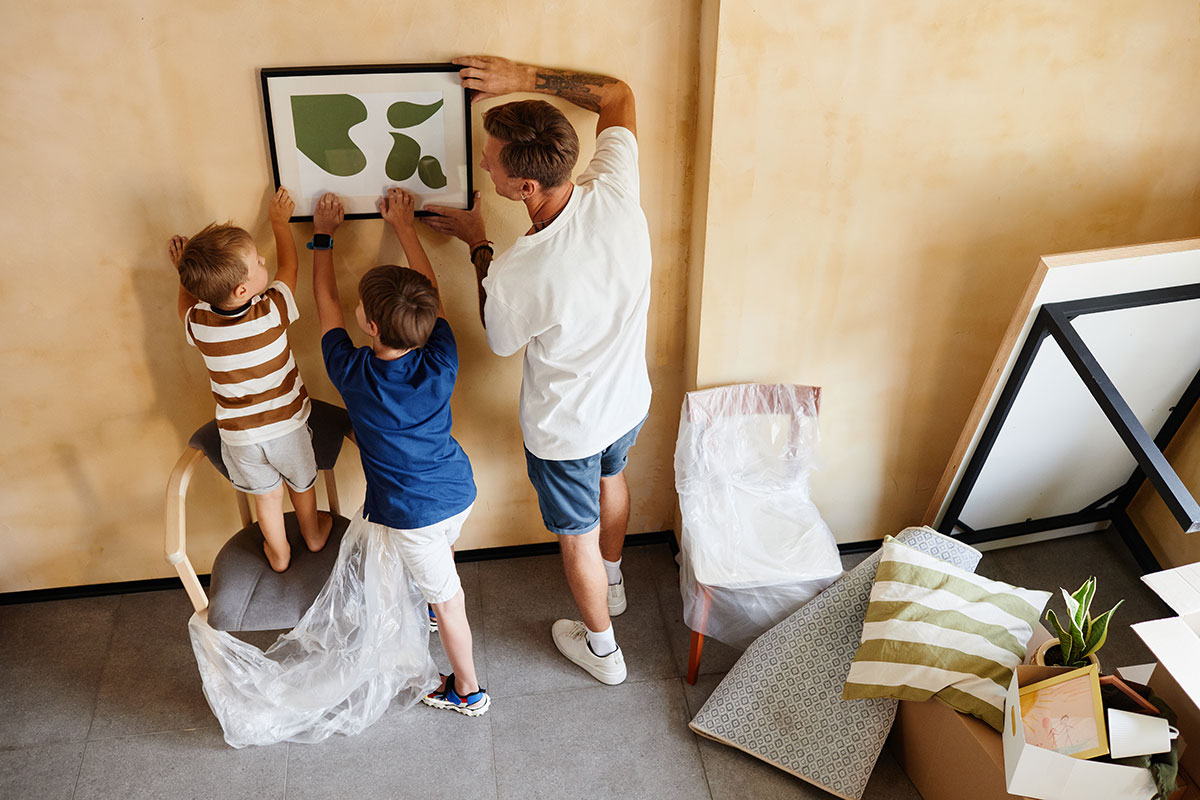
Don’t expect to acclimate to your new home, neighborhood, city, and state immediately. But don’t worry. As you find your footing in your new space, unpack by priority, not perfection. Focus on daily functions before aesthetics, and everything will fall into place in no time.
For more tips on your upcoming move, check out Preparing for a Move: How to Declutter and Minimize and How to Talk to Your Child About Relocating.