
When you’re out house hunting, it’s easy to get swept up in the excitement of it all and overlook practical details such as how old the home you’re falling in love with is and what kind of shape it’s in. These things matter in more ways than one. One of the potential hidden costs associated with older, foreclosed or distressed homes may be a higher homeowners insurance premium. As such, going the new-construction route can help you potentially save money on homeowners insurance.
Does your house have a history?

When you buy a resale home, you’re not just getting the layout and finishes. You’re also taking on its history. A past claim won’t automatically raise your premium, but things like water, fire, theft, wind, or liability claims can quite likely catch an underwriter’s attention. Even if everything’s seemingly been fixed, a pattern of claims can signal higher risk, which may lead to higher premiums or stricter coverage terms.
You can request a C.L.U.E. report (Comprehensive Loss Underwriting Exchange) to understand your home’s history, but you can’t rewrite it. A new-construction home, meanwhile, is unlikely to have prior claims, which means you may qualify for more competitive pricing and fewer exclusions right from day one. A lower starting premium may keep subsequent renewal increases more modest, helping you save money on homeowners insurance over the long run.
The buzz on your wiring.
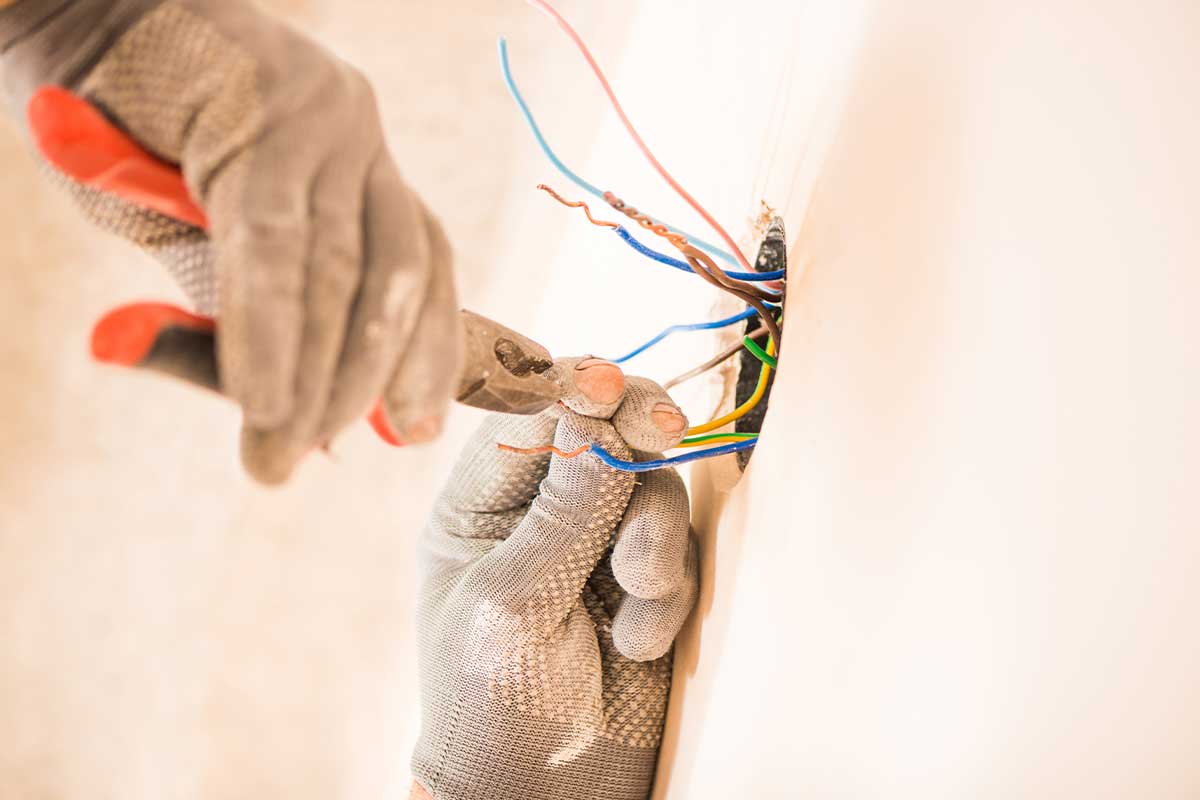
Older homes weren’t designed for how we use power today. There often aren’t enough outlets or circuits, and even when there are, they weren’t built for modern loads or safety standards.
That’s more than just an inconvenience. Overloaded systems can become a fire risk, especially if you’re relying on extension cords or power strips to keep everything running. Insurance companies know this, which is why they tend to view modern wiring in new homes that are installed to today’s stricter codes as a safer bet.
Heating is another hot topic.
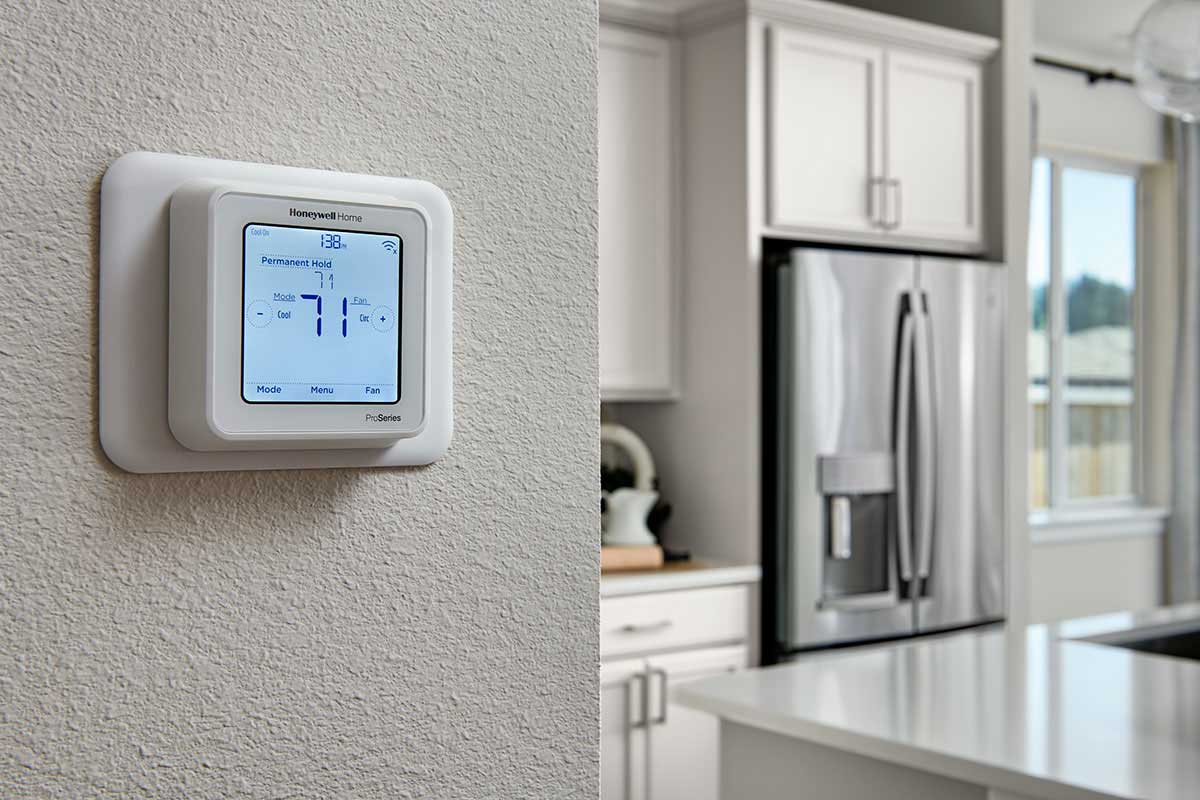
You might be fine with higher energy bills and extra maintenance, but your insurance agent has to factor in the risks—like older furnaces or boilers that can increase fire or carbon monoxide concerns. New homes are built with safer systems, like sealed combustion furnaces and water heaters that help keep harmful gases out of your living space. Plus, features like smart thermostats, automatic shutoffs, and leak detectors are becoming the norm.
Add in builder and manufacturer warranties, and you’ve got extra protection if something goes wrong early on. All of that lowers the chance of claims, and can help you qualify for better rates and policy perks.
Sorry to be a wet blanket.
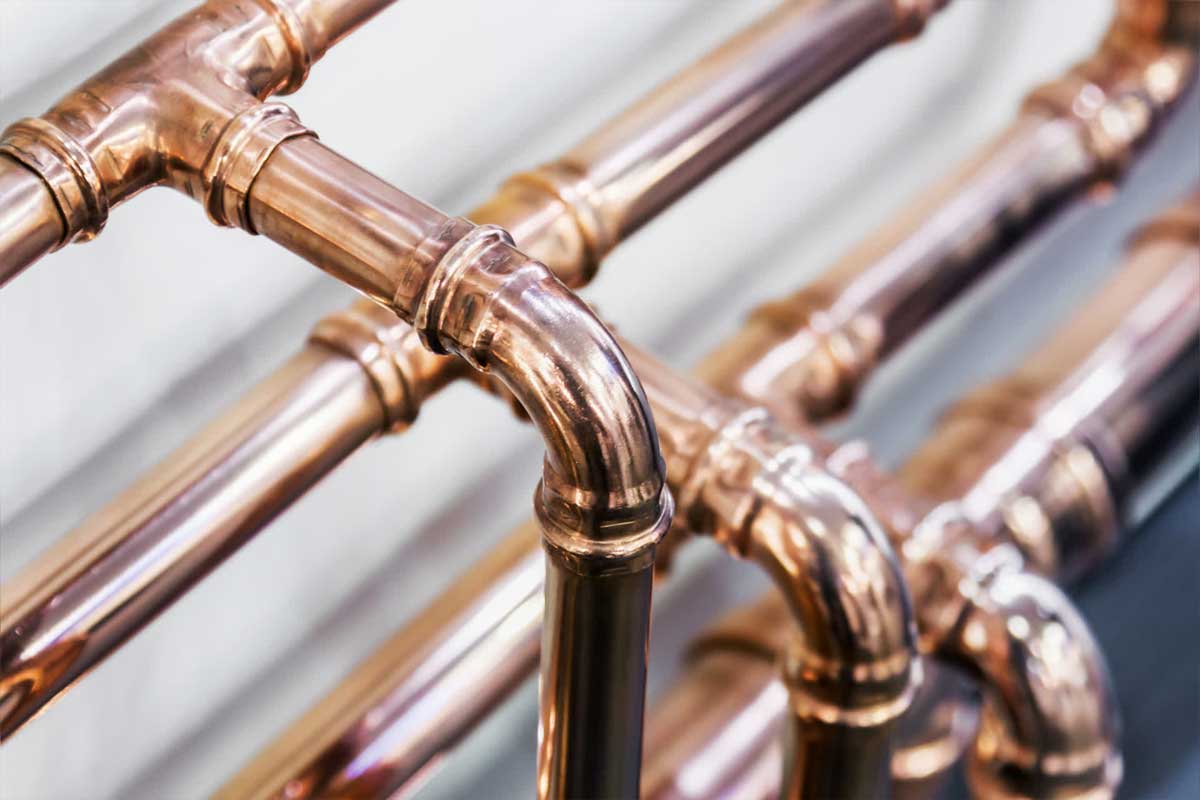
But let’s face it: older plumbing is more prone to failure. Since leaky or burst pipes can cause thousands of dollars in water damage, insurance carriers may charge a higher premium to offset the higher risk. Older plumbing systems may also contain lead-based solder, flux, or pipe. It wasn’t until 1986 that plumbing systems were required to be lead-free, and it wasn’t until 2014 that all faucets and valves that come into contact with drinking water needed to meet a safer, stricter standard.
The same is true of your roof. If it’s old or in disrepair, expect increased premiums. You may have difficulty finding an insurance carrier who will insure the home at all. New homes often come with a roof warranty, which makes it easier to keep your roof in good condition. New home builders also typically provide many of the items inside the home with applicable warranties, such as the kitchen appliances, air conditioner and furnace.
Simply irreplaceable?
You see charming details like wainscoting, crown molding, leaded glass, solid wood doors. Your insurer sees pricey, hard-to-replace materials and a big restoration bill. Older homes can also come with hidden issues like lead paint, asbestos, or outdated insulation. Beyond the health concerns, those can make repairs more complicated—and claims more expensive.
Before you fall in love, ask if it’s worth the extra upkeep and potentially higher premiums. The good news: you can often get the same look in a new build, with modern materials that are easier (and cheaper!) to repair or replace.
Safety first!
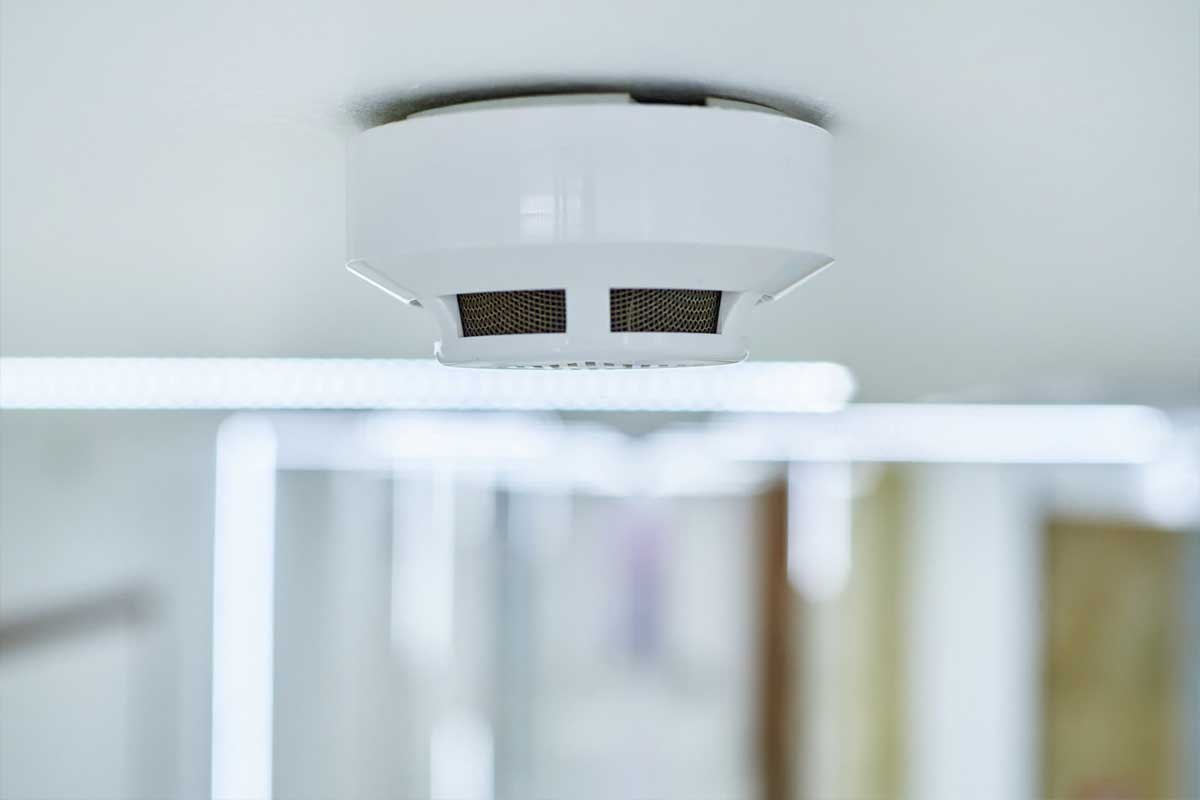
Certain safety features can help lower your insurance premiums—and new builds often include many of them as standard or add-ons, making it easier to stack discounts:
- Hardwired smoke and carbon monoxide detectors on every level and near bedrooms
- Modern fire protection, like sprinkler systems
- Monitored security systems, smart locks, video doorbells, and glass-break sensors
- Smart leak detectors and automatic water shutoff valves
- Gated or controlled-access neighborhoods and better exterior lighting
Because these features enhance safety, carriers often layer credits—for example, combining a monitored alarm discount with a water-leak prevention discount. Stacking multiple small credits can add up to meaningful annual savings and help you save money on homeowners insurance year after year.
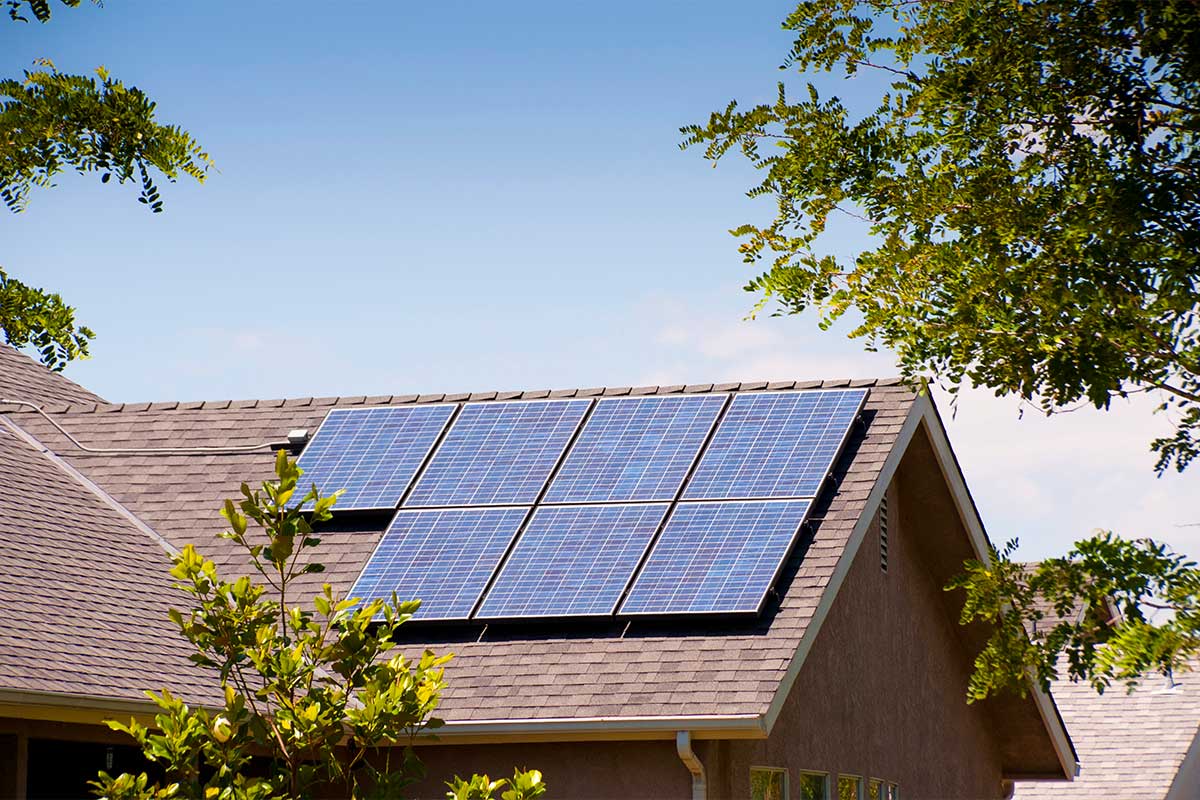
Roof age and material also matter quite a bit. Older, worn roofs are more prone to wind, hail, and water damage, which makes claims more likely—and costly. Some insurers may even limit coverage or decline homes with aging roofs.
Be code-conscious.
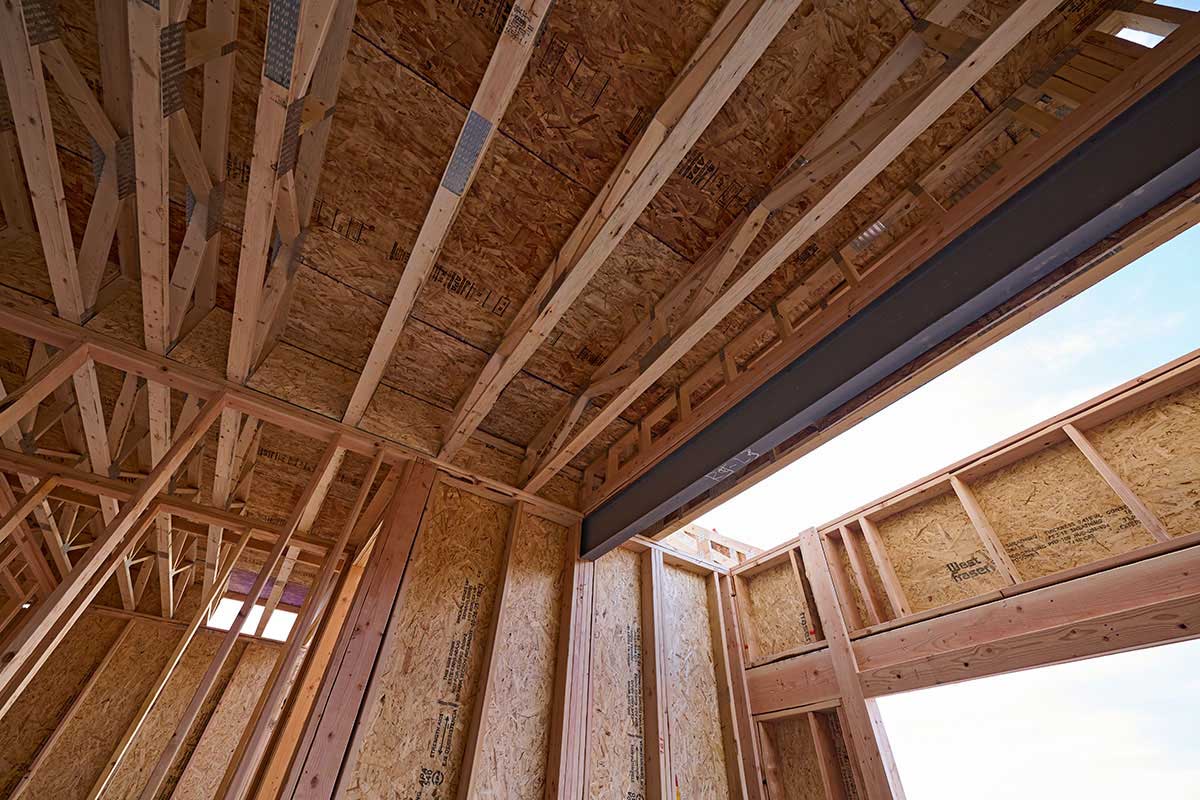
Beyond the obvious safety perks, new builds also benefit from smarter building practices. Think tighter construction, better windows and doors, and improved insulation—all of which help keep out moisture and reduce issues like condensation that can lead to mold or other damage.
In areas prone to severe weather, newer homes are often built with added reinforcements like stronger nailing patterns, hurricane clips, impact-resistant glass, and even elevated foundations. All of that can make the home more resilient—and in some cases, can even help you qualify for better insurance rates or special coverage options.
Building codes tend to get updated after big disaster events, so new homes are built with a lot of those hard-earned lessons in mind. The result? Fewer total losses and faster recovery when something does go wrong—which are both good signs for insurers thinking about long-term risk.
Thinking about new construction?
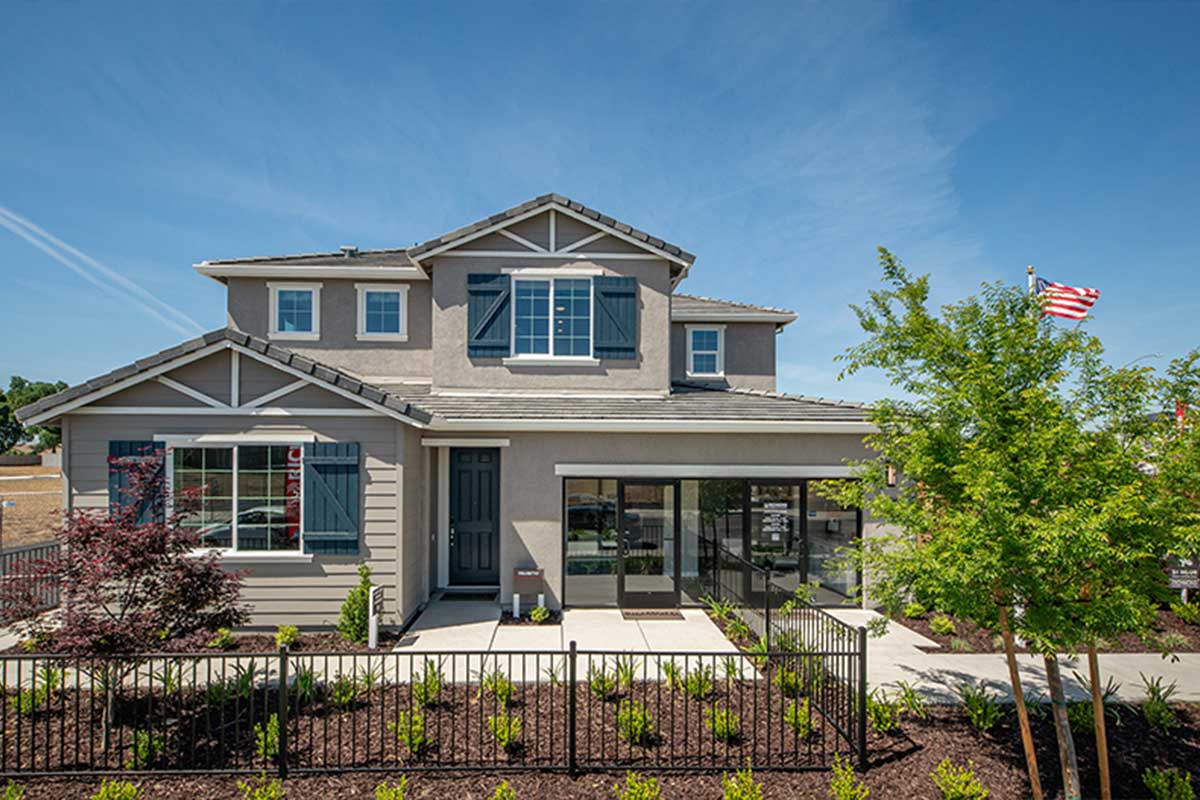
Choosing a new home can be a smart, long-term financial decision—not just for energy savings and lower maintenance, but also for potential insurance advantages. Modern systems, safer materials, resilient design, and built-in protections often lead to more competitive premiums and broader coverage than many resale properties. Starting from a lower-risk baseline can also make renewals more predictable, helping you plan your budget with confidence.
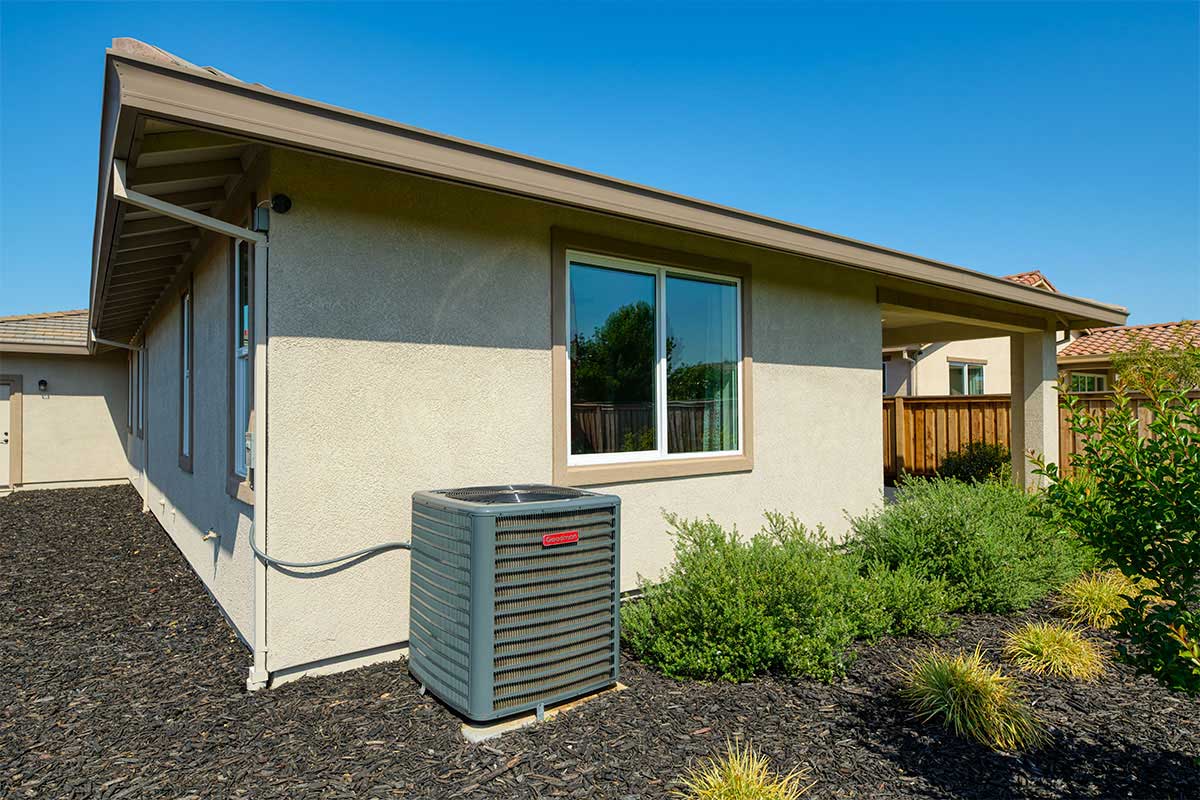
Our affiliate, American Home Insurance Agency, Inc. (AHI), can shop around with multiple carriers to find the best fit for you. They’ll look for discounts on things like smart devices and safety features, and tailor coverage to match your new build. Connect with AHI to review options, capture discounts, and protect your investment from the very first day you turn the key.

Be the first to hear about special offers!
Stay up to date on new neighborhoods and floor plans, special offers and more. Sign up for local email alerts.