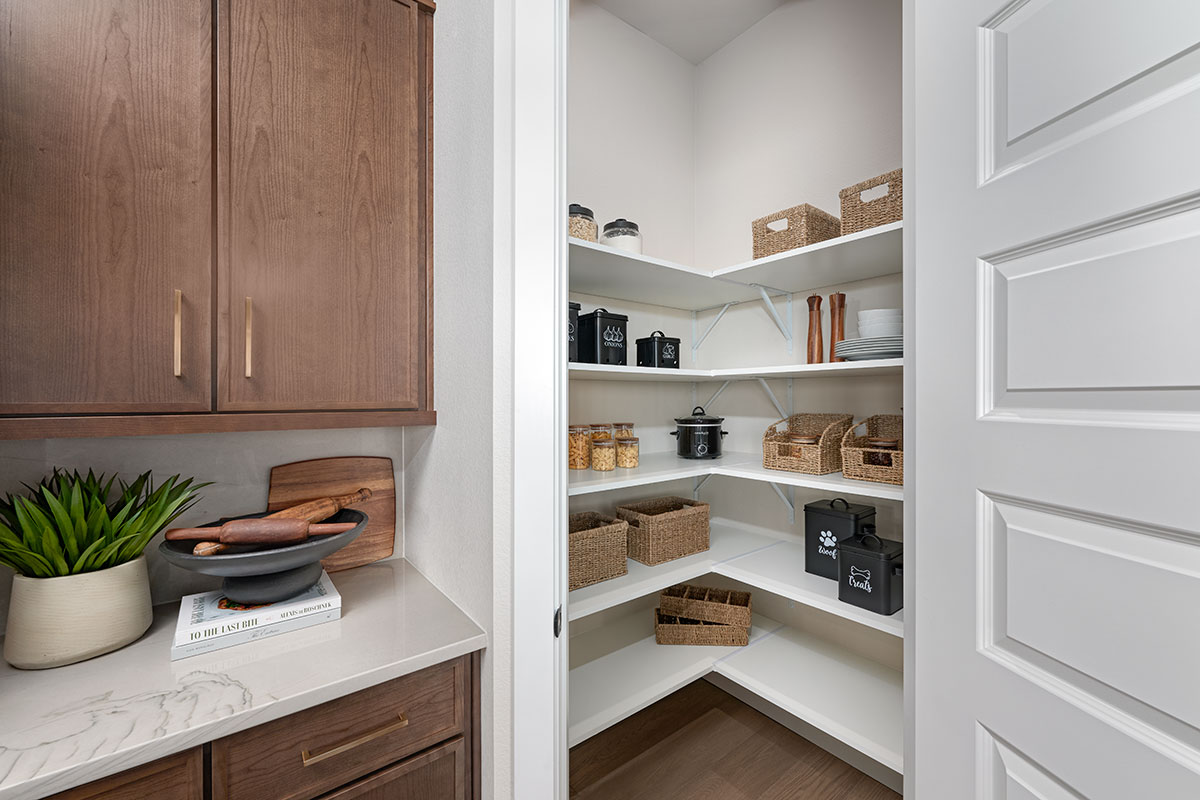
The scene is all too familiar: people walk in, set down bags, coats, and papers on any available surface—from countertops to couches—and just as quickly forget all about them. What starts as a quick “I’ll deal with it later” moment often snowballs into a daily frustration involving lost keys, mismatched shoes, and piles that never quite get sorted.
A dedicated drop zone (A.K.A. mudroom) changes that dynamic entirely. Instead of chaos, there’s a system. From the moment you step inside your home, everything has a place. Bags land where they belong. Shoes come off in a designated spot. Mail and keys go exactly where you expect to find them later.
In recent years, drop zones have become a sought-after feature in modern home design. Typically positioned just inside the entry or off the garage, they’re built to catch the chaos of everyday life before it spills into the rest of the home. Done well, they don’t just organize your space, they transform how your mornings begin and how your evenings unfold. The best mudroom ideas blend style with everyday function.
The cost of clutter
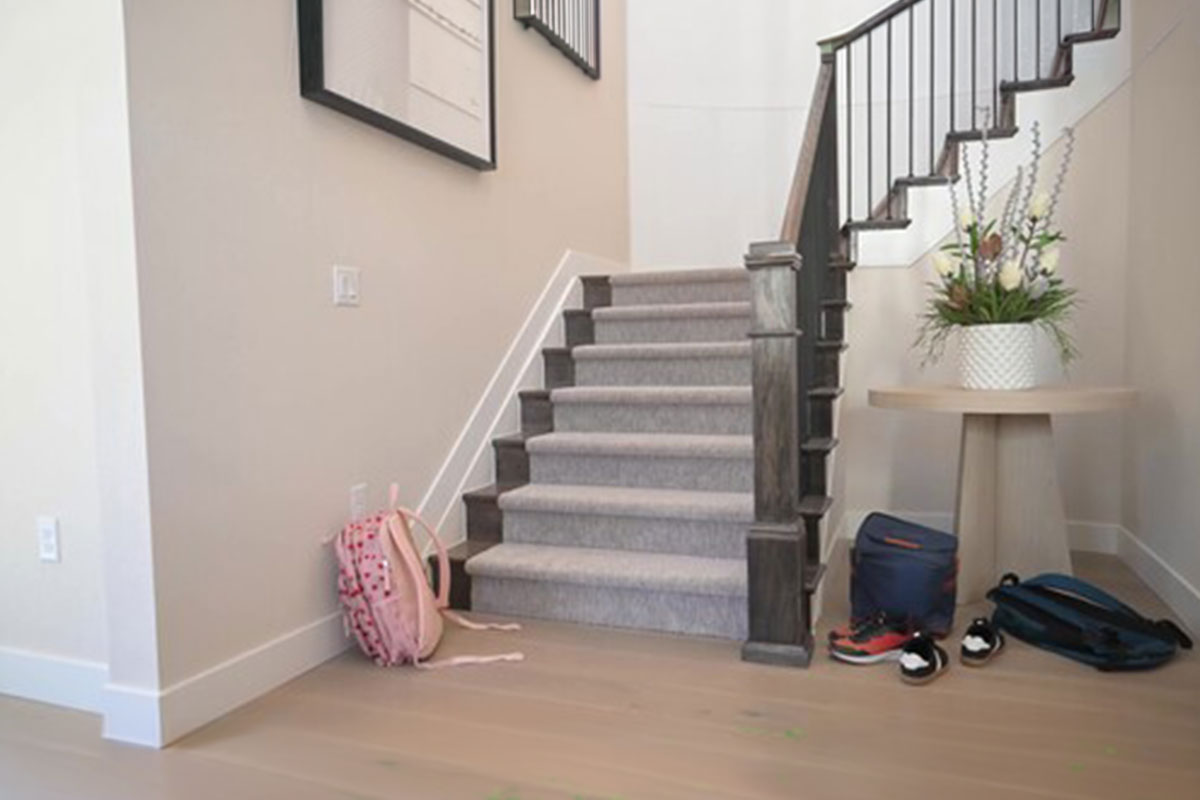
Clutter isn’t just an eyesore, it’s also a stressor. According to recent research, 67% of people say a lack of home storage options directly contributes to clutter, making organization harder and stress more likely. And when things pile up at the entryway, they tend to radiate through the rest of the home. Shoes migrate to the living room. Jackets land on kitchen chairs. Keys vanish into thin air until you’re already three minutes late.
The emotional toll is real, too. A full 75% of people report that an organized home environment helps reduce stress. For busy parents managing the logistics of school, work, activities, and home, that sense of calm and control is invaluable. A well-designed drop zone is, in many ways, a stress-reduction tool.
So, what exactly is a drop zone?
Think of a drop zone as a buffer between the outside world and your home’s living spaces. It’s a transition area designed with intention—a place where movement pauses just long enough to reset and regroup.
Traditionally, mudrooms served a purely functional role. Found in farmhouses and older homes, they were built to contain dirt, boots, and work gear before anyone stepped into the main house. While today’s lifestyles may look different, the need for that transitional space hasn’t gone away. In fact, it’s become even more important, with new mudroom ideas helping to alleviate household congestion issues.
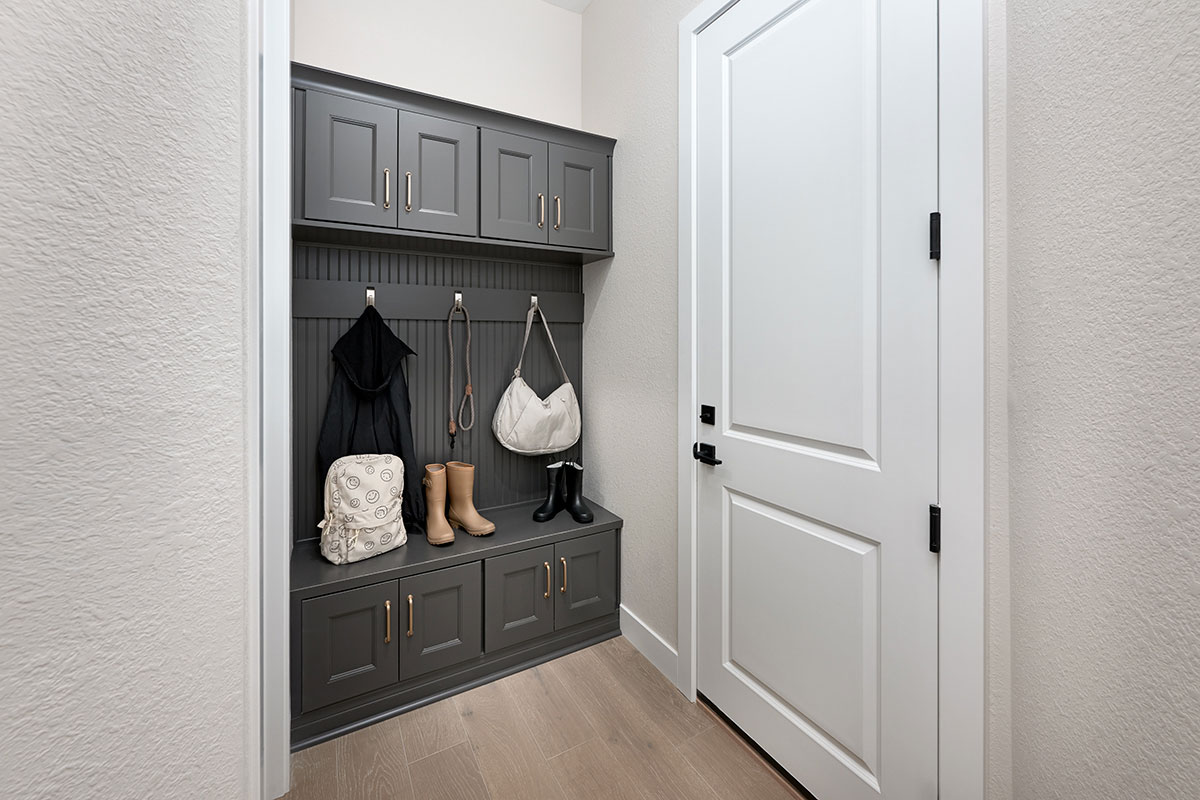
Modern drop zones take the practicality of those traditional mudrooms and elevate them. They’re no longer tucked-away afterthoughts; they’re integrated, thoughtfully designed spaces that balance function with style. Clean lines, built-in storage, and cohesive materials make them feel like a natural extension of the home rather than a mere add-on.
At their core, drop zones are about creating a system to promote entryway organization. A well-designed one typically includes one or more of these features:
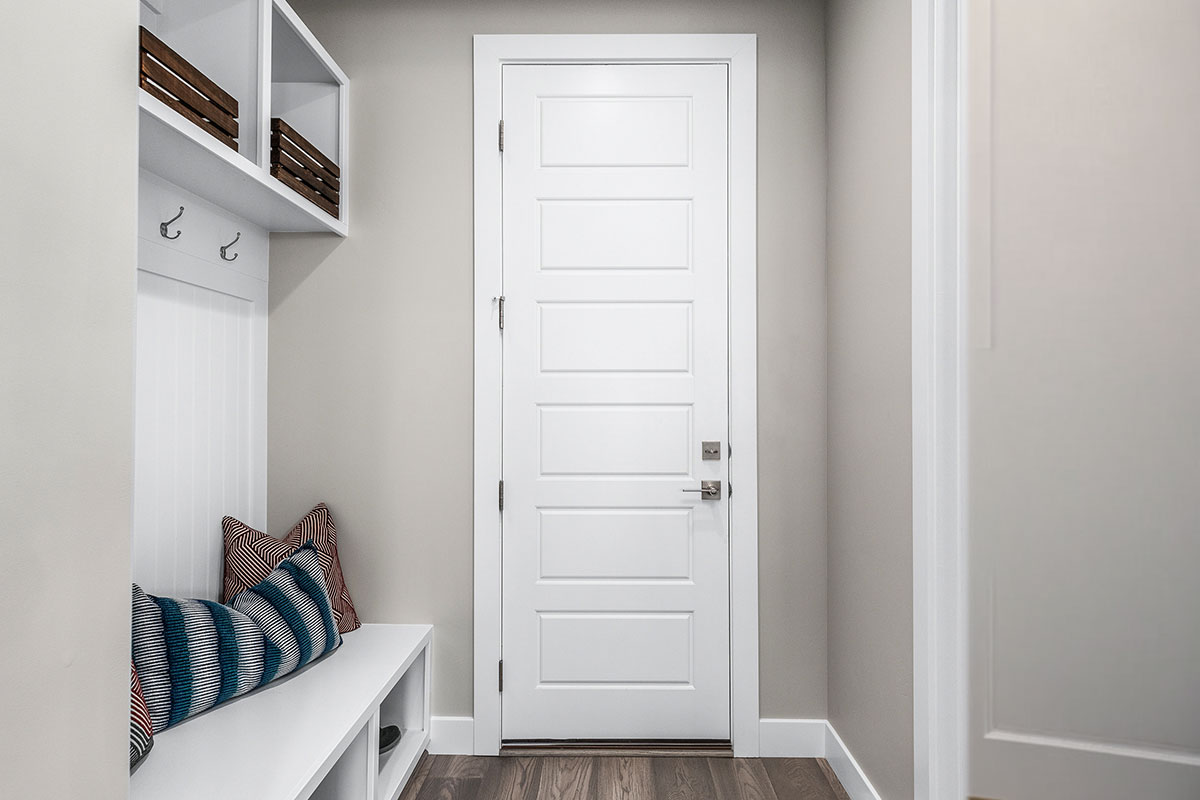
- A bench for sitting while putting on or removing shoes
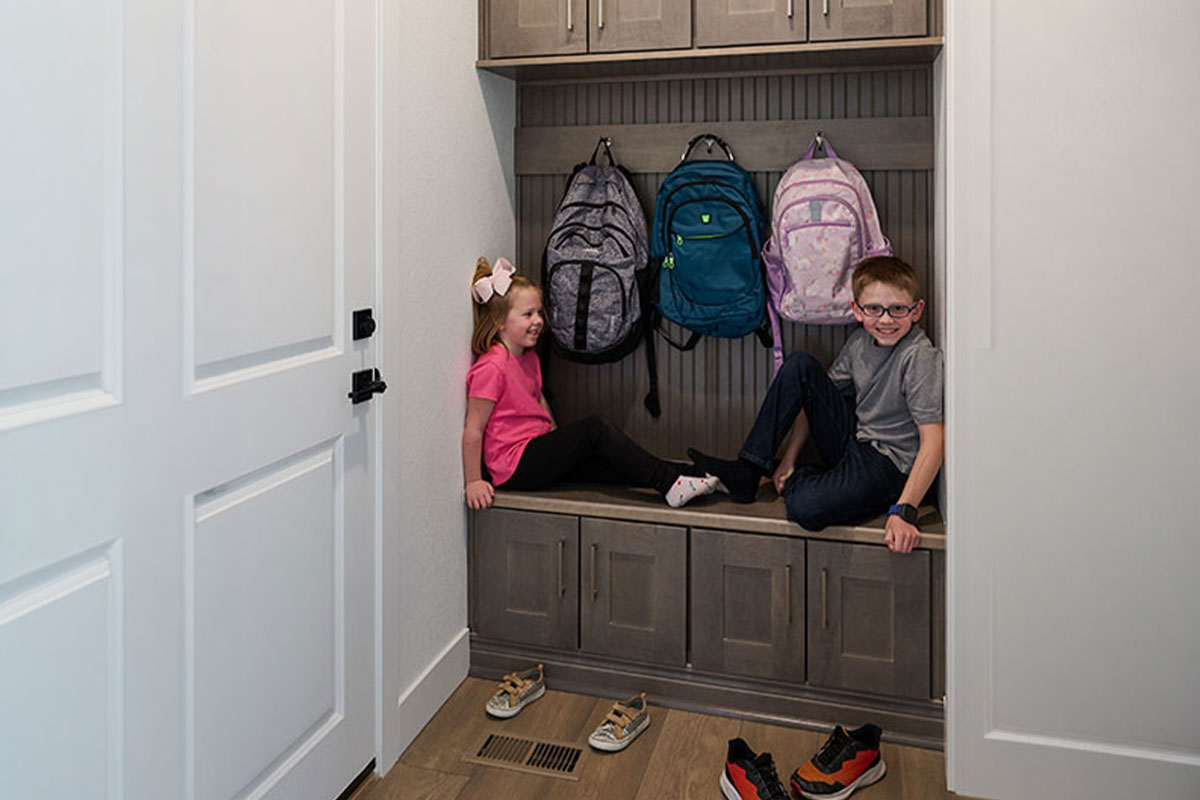
- Hooks at varying heights for coats, backpacks, and bags
- A shelf or ledge for keys, mail, and everyday carry items
- Cubbies or lockers for individual storage
- A nearby closet for overflow and seasonal items
Each element works together to create a rhythm. Instead of walking in and dropping things randomly, you follow a simple, repeatable process that quickly becomes second nature to everyone in your household.
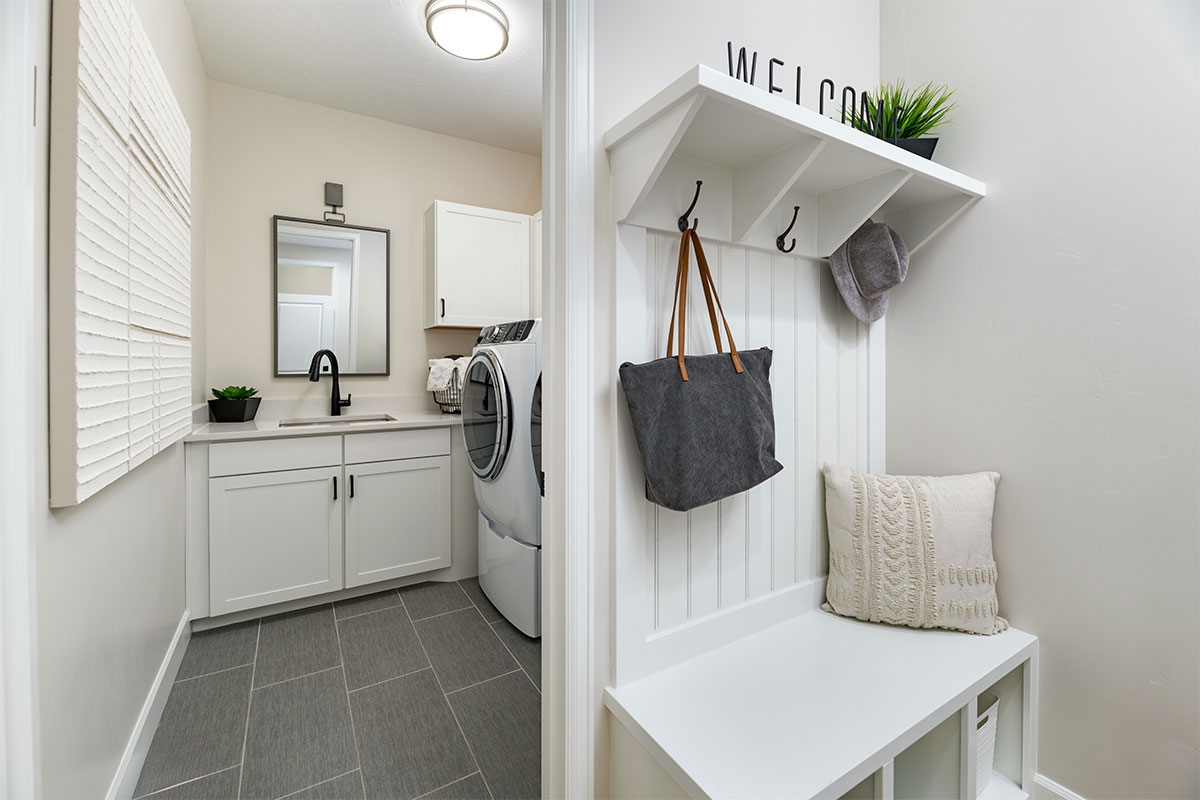
Mudroom ideas that actually work
If you’ve browsed design inspiration, you’ve likely seen beautifully styled mudrooms with coordinated baskets, labeled bins, and perfectly arranged décor. While those spaces can be inspiring, the most successful drop zones are the ones that hold up under real-life use.
Here are the features that truly make a difference:
Individual zones for each person
Assigning each family member their own cubby or locker creates a sense of ownership and accountability. When everyone knows exactly where their belongings go, it reduces confusion and encourages consistency. This is especially helpful for kids, who benefit from clear, simple systems.
A hardworking bench
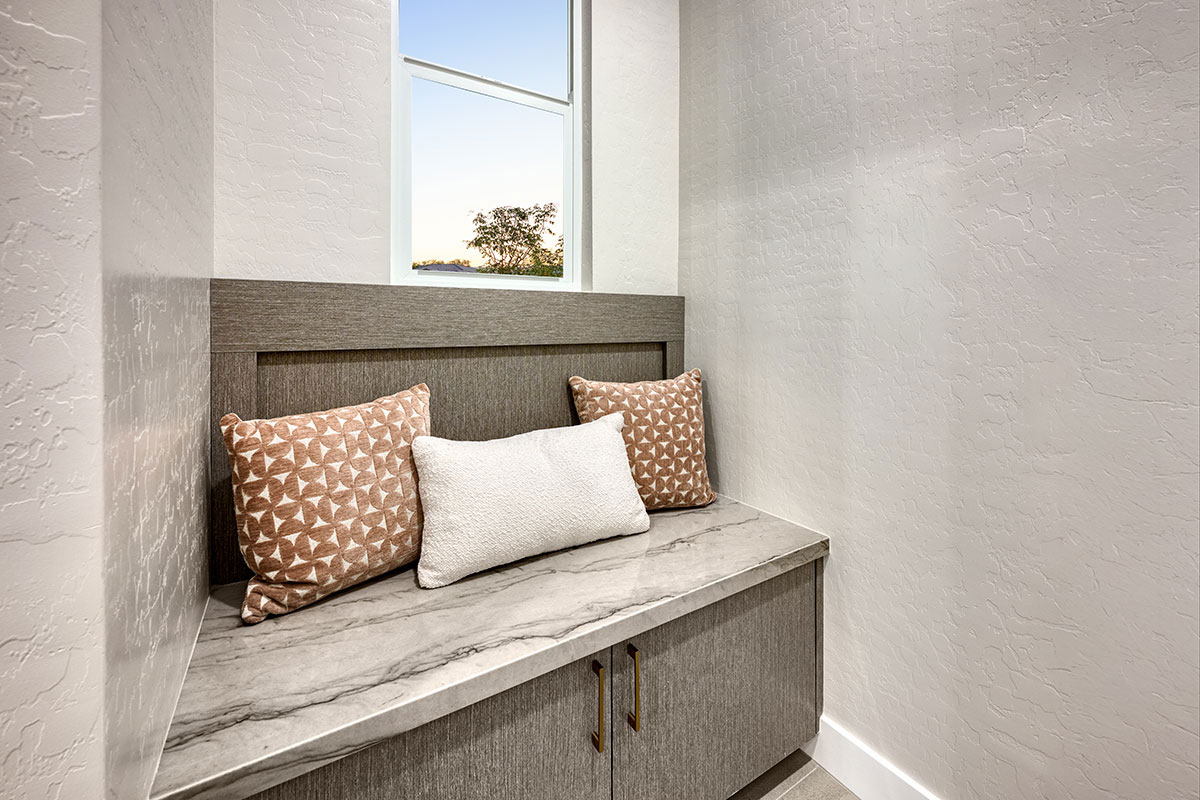
The bench serves both a practical and visual purpose. It provides a comfortable place to sit while putting on or removing shoes, and it naturally encourages items to stay contained within the space. Benches with built-in storage (drawers, baskets, etc.) add another layer of functionality.
Hooks at multiple heights
A tiered hook system makes the space accessible for everyone. Lower hooks empower younger children to manage their own belongings, while higher hooks accommodate adult items. This small detail supports independence and keeps the system working smoothly.
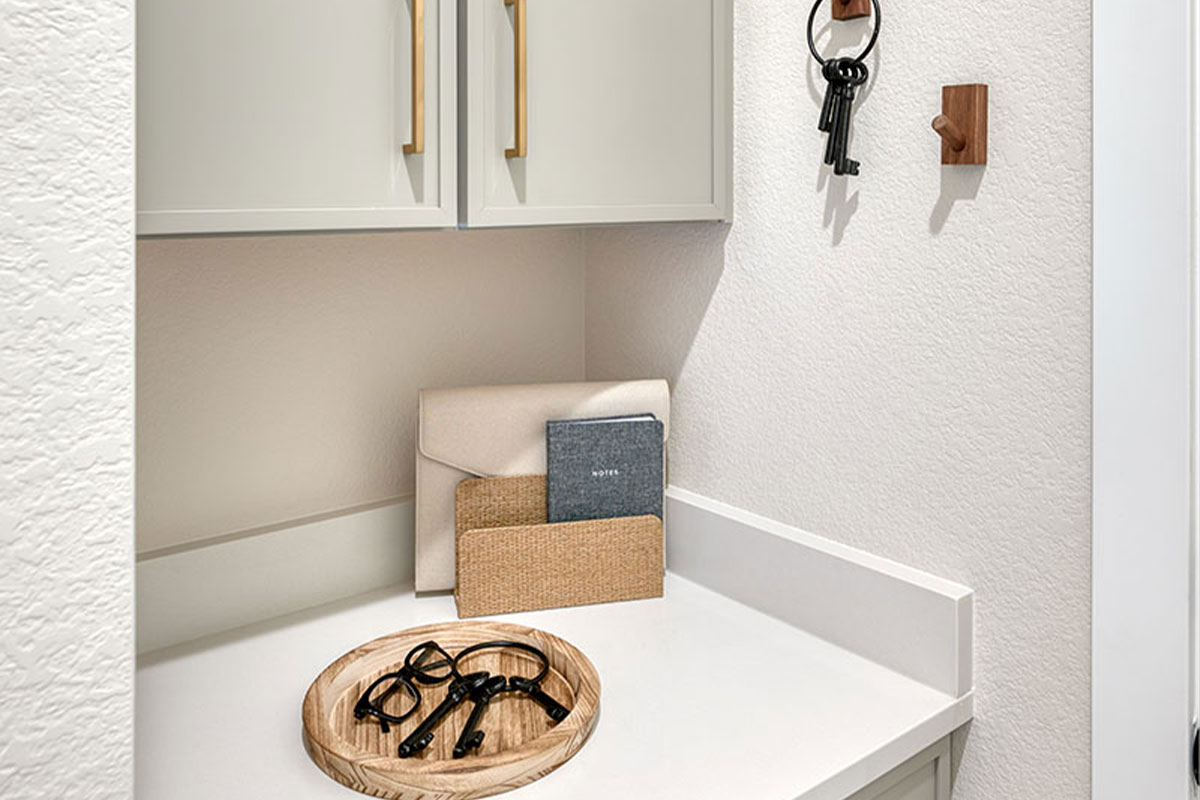
The “key drop” zone
A dedicated spot for keys, wallets, sunglasses, and phones can be a gamechanger. It eliminates the daily scramble and provides peace of mind, especially during busy mornings. Whether it’s a simple shelf, a tray, or a small drawer, this feature quickly becomes indispensable.
Closed storage for flexibility
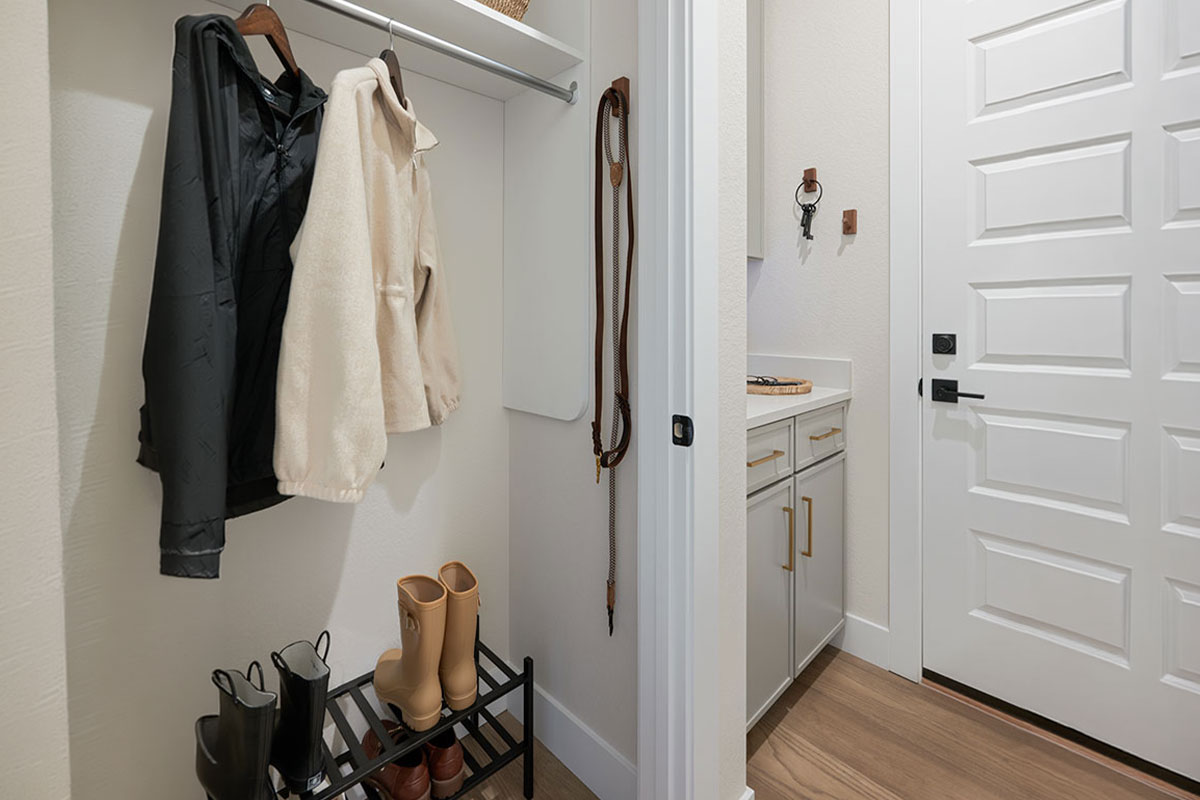
While open cubbies are great for daily use, a nearby closet or cabinet helps manage overflow. Seasonal items, sports gear, and bulkier belongings can be tucked away without disrupting the overall organization of the space.
Designing for your lifestyle
No two households are exactly alike, and the best drop zones reflect the specific needs of the people who use them. A family with young children might prioritize lower storage and easy-to-clean materials, while a household with teenagers may need more space for sports equipment and larger bags.
Pet owners might incorporate storage for leashes, food, and grooming supplies. Outdoor enthusiasts may want durable flooring and extra room for gear. Even small details—like adding a charging station or a message board—can make the space more tailored and functional.
The key is to think through your daily routines. Where do things typically pile up? What items do you use every day? What frustrations do you encounter most often when coming and going? A well-designed drop zone addresses those pain points directly. Practical mudroom ideas meet your routines where they are.
The resale advantage
Beyond its day-to-day benefits, a drop zone can also enhance a home’s appeal to future buyers. As more people prioritize organization and livability, features that support those goals are becoming increasingly valuable.
A thoughtfully designed drop zone signals that a home was built with intention. It shows that the layout isn’t just visually appealing—it’s practical and user-friendly. For buyers walking through a home, it’s often one of those subtle but impactful details that makes the space feel more livable.
In a competitive market, those details can make a difference. Buyers aren’t just looking for square footage; they’re looking for homes that simplify their lives. A functional, well-integrated drop zone does exactly that.
A small space with a big impact
At first glance, a drop zone might seem like a relatively minor feature. It doesn’t have the visual drama of a gourmet kitchen or the luxury of a spa-like bathroom. But in terms of daily impact, it punches well above its weight.
It’s the space you interact with multiple times a day—the first place you land when you come home and the last stop before you head out. When it works well, it sets the tone for everything that follows. Mornings feel smoother. Evenings feel more relaxed. The home as a whole feels more manageable.
And perhaps most importantly, it reduces the mental load of keeping things organized. Instead of constantly managing clutter, you have a built-in system that does much of the work for you.
If you’re looking for a floor plan that boasts a drop zone and already have some mudroom ideas for your next abode, be sure to get in touch with our friendly sales consultants. They’re standing by, waiting to help you get into the home of your dreams!

Ready to finance the home of your dreams?
Our free guide will give you an overview of the loan process, plus tools to keep you organized through closing day.