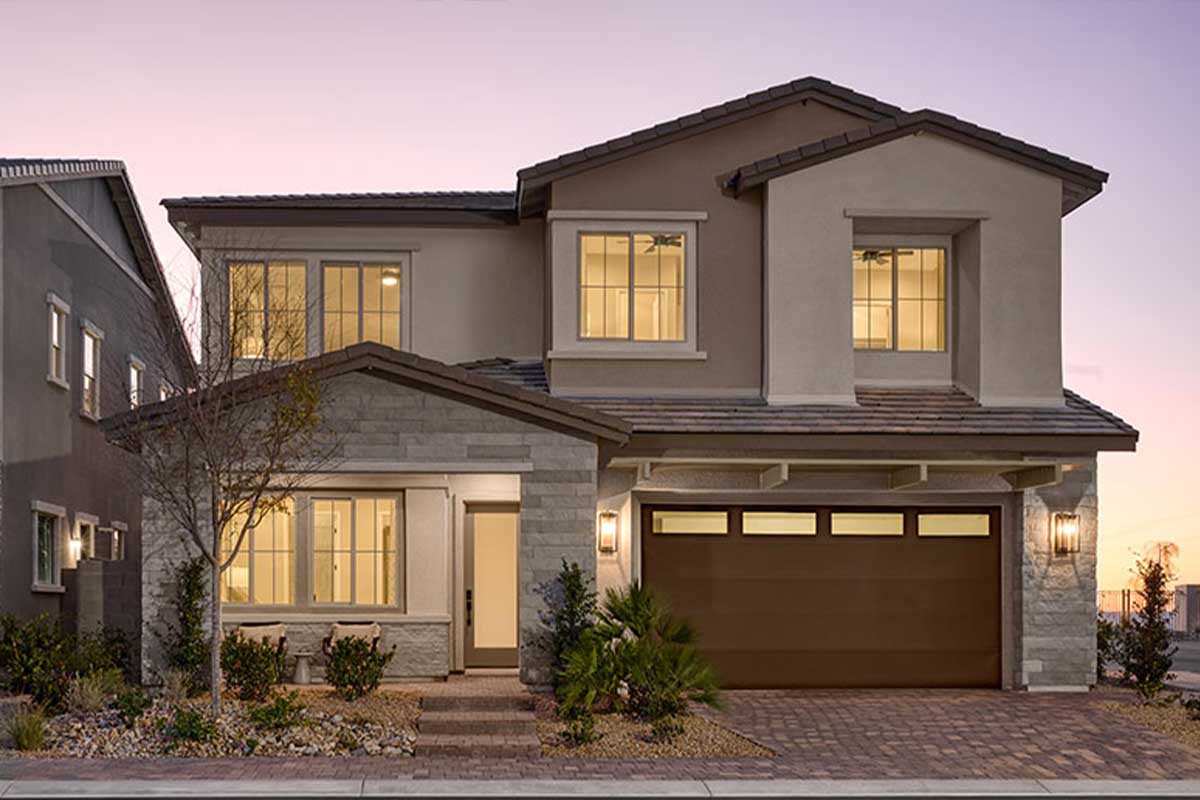

For many buyers, the thought of owning a brand-new home is incredibly appealing. New construction offers a fresh, blank canvas they can truly make their own and, depending on the builder and community, homebuyers may even have the opportunity to select certain layouts, finishes, and design features. But although the advantages of new-build homes are easy to see, it’s just as important to help clients understand how the steps to building a home can differ from purchasing a resale property. When buyers know what to expect, they can move forward with confidence and avoid potential surprises along the way.
Helping clients navigate the unfamiliar territory of new-construction homes is one of the best ways for real estate agents to build trust and demonstrate expertise. In this article, we’ll lay out the steps to building a home and buying a new-build home on a variety of timelines, as well as offer some tips on how to guide buyers through the process.
What are the benefits of buying new?
Before your clients dive into a decision, it may be useful for them to understand the many advantages of purchasing a new-construction home. These can include:
- Modern, versatile layouts. New home floor plans are designed with today’s homebuyers in mind. At Richmond American, for instance, we emphasize livability in each of our homes. The goal is to create a layout that works with the homeowner’s lifestyle and can accommodate everyday needs, from the flow between rooms to the placement of outlets and light switches and everything in between.
- Exciting included features. While every house is a little different, new-construction homes may be more likely than older resale homes to offer the features that modern buyers are seeking. For example, an adventurous house hunter with a penchant for road trips might narrow down their search to only homes with attached RV garages, while a client with older household members may focus only on listings or plans that include main-floor suites.
- Greater energy efficiency. New homes must be built in accordance with today’s standards which, combined with modern technology, can lead to improved energy efficiency. For your client, this means potential cost savings, on top of benefits for the environment and a healthier space for their family. Many of our homes include better-for-you features like ENERGY STAR®-certified appliances, solar options, programmable thermostats, and radon control systems.
- More potential for personalization. Unlike a resale home, which might require renovations or compromises, new-build buyers may be able to select structural features, finishes, fixtures, and more for their abode. These options allow your clients to create a home that truly reflects their personal style—without the mess, stress, and costs of remodeling and DIY projects.
- Less upfront maintenance. A new home means new plumbing, HVAC, appliances, and more. This often translates to fewer unexpected repairs and replacements in the first few years of ownership, providing greater peace of mind for your clients. Plus, builders typically offer warranties with their homes, covering systems and structural components.
- Special offers. Buying new may also open up the possibility of special offers from a builder’s affiliated lender! For instance, when your buyers purchase a Richmond American home, they may be able to enjoy reduced interest rates and other savings from our mortgage affiliate, HomeAmerican Mortgage Corporation (see licensing info ).
A note about timelines
One of the most important things you can do as a real estate agent is manage your clients’ expectations. The amount of time it will take to get from the start of a home search to the closing table depends on a number of factors: the builder, the floor plan, the amount of personalization, the availability of building materials, the region, etc. That’s not even to mention the question of whether your buyer wants to build from the ground up or would prefer a move-in ready abode.
Before embarking on their homebuying journey, your house hunters should understand that timelines are not guaranteed and can vary depending on their specific situation.
What are the steps to building a home?
Let’s get into the key milestones of creating a beautiful, new-construction home from the ground up.
- Dirt. When your buyer picks out their homesite, it can be hard for them to picture the finished product—but that’s where the excitement begins. A clean lot is full of potential, and it’s the very first step in bringing a new-construction home to life. We start by evaluating the site, which includes reviewing soil reports and ensuring the property is ready for essential utilities like electricity, telecommunications, and natural gas. From there, a structural engineer steps in and the permitting process begins.
- Foundation. At this stage, clients finalize their floor plan and, depending on the region and community, may choose their structural options. These decisions are crucial to ensuring that the foundation can properly support the home’s layout, rooms, and features.
- Framing. This phase is when the home truly starts to take shape. As the walls, floors, and roof structure go up, clients can finally visualize and emotionally connect with the space. For agents, this stage is a great time to reinforce the progress being made and help clients stay engaged in the building process. Check in, answer questions, and encourage your buyer’s excitement!
- Rough-ins and insulation. Clients may think of this stage as the “behind-the-scenes” work. It’s when we install HVAC, plumbing, insulation, and all of the other systems that make a house functional and comfortable. During this phase, you might want to take the opportunity to explain how all of this work can contribute to future cost savings, energy efficiency, and long-term performance.
- Drywall. Drywall installation marks a major visual milestone in the steps to building a home. Your homebuyers can walk through their future abode and truly begin to envision the size and feel of each room, as well as how they might live in the home on a daily basis. Drywall also signals that the home is moving closer to completion, giving clients tangible reassurance that progress is on track.
- Pre-flooring. Your clients might be confused about what this stage entails, so be sure to take a moment to explain it to them. To put it simply, pre-flooring typically involves pouring non-structural concrete, such as driveways, walkways, and patios.
- Fixtures and finishes. Now comes the stage that really brings the space to life! A home’s design elements, from the interior light fixtures to the exterior trim, all work together to create a cohesive and inviting aesthetic. At Richmond American, our team of professional designers uses a rigorous vetting process to select quality vendors in each category, ensuring that every home is filled with beautiful, durable products.
- Landscaping. During this phase, the home’s exterior really starts to shine. Front yard landscaping is installed, giving the property curb appeal and a welcoming first impression. If backyard landscaping isn’t included in the purchase, the space will be primed for buyers to add their personal touches. As their agent, you can help clients envision their future outdoor living possibilities, from cozy rocking chairs on the front porch to a barbeque setup in the backyard.
- Just a few more details. There are several remaining to-do list items to take care of before the home is complete. These may vary depending on the builder and the home, but they might include installing window coverings and appliances, receiving a HERS® rating, and cleaning the property.
- Final inspection and walkthrough. This is your client’s opportunity to note any issues or concerns for their punch list. As they go through the home, encourage them to take photos and videos, check all surfaces, turn on appliances, and test each outlet, faucet, light switch, and window. This is also a great time for them to ask questions about warranties and service requests.
- Closing time! The paperwork is signed, your clients have their keys, and the moving process can officially begin. Help your buyers celebrate their new chapter with a thoughtful housewarming gift.
What about buyers who want to move quickly?
Not every buyer has the time or desire to build a new home from the ground up—and that’s perfectly fine. Richmond American offers options for buyers on a myriad of different timelines, from those who want to take their time personalizing the home of their dreams to those who are on a tighter schedule and need a move-in ready house (and everyone in between).
For those buyers in a hurry, we have quick move-in listings available at many communities across the county. The process of purchasing one of these homes will naturally look different from the steps to building a home from the ground up. Instead of selecting a homesite, for instance, your client will choose from an array of houses that are completed or nearing completion. In many cases, they’ll actually have the chance to tour the exact home they’re considering, allowing them to explore the space with their own eyes (and measure for their furniture!).
Another key difference between building new and buying a quick move-in home is the personalization factor. As mentioned previously, a to-be-built home provides buyers with the chance to select fixtures, finishes, and/or structural options for their chosen floor plan. A move-in ready home, on the other hand, will have pre-selected features, as well as design elements that are thoughtfully curated and color-matched by our professional design team. The latter might be an excellent route for clients that want to avoid decision fatigue—all of the design decisions are already made by experts!
How to add value as an agent throughout these steps
Real estate agents play a critical role in guiding clients through the complexities of building a new home, offering support far beyond simply helping them choose a community or floor plan. Throughout every phase—from the initial homesite selection to framing, finishes, and final walkthroughs—you have the chance to provide clarity, advocacy, and expert insight for your buyers. Ways you can add value during the steps to building a home can include:
- Guiding buyers through builder research, community and floor plan comparisons, and homesite selection
- Clarifying builder contracts and important deadlines, as well as financing and insurance options
- Helping clients prioritize structural and design choices based on their lifestyle, needs, and budget
- Monitoring construction progress and explaining what each stage means
- Communicating with builder representatives to get questions answered
- Managing expectations and helping clients understand key milestones
- Preparing clients for walkthroughs, warranties, and post-closing care
Final thoughts
Buying a new-construction home can be exciting, overwhelming, and full of unfamiliar decisions for your clients. By walking them through the process, you can help buyers feel confident and supported, which in turn might lead to referrals, repeat business, and long-term relationships.
New to new home sales?
Get tips for selling the benefits of new construction, setting client expectations and more with our free guide for real estate agents.